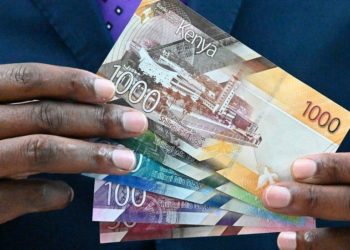
Kenya is mapping its own economic pathway by opting to plan its fiscal future without relying on external debt from the International Monetary Fund. Championed by the Cabinet Secretary of Finance, John Mbadi, this signals a significant policy change from a long-standing reliance on IMF support to stabilize the economy during tough economic times. As East Africa’s economic anchor, Kenya’s move has implications not just domestically, but for the broader African development narrative. This may seem as a positive step towards reducing Kenya’s public debt levels. However, can Kenya afford this detachment from one of the most influential global financial institutions and what will it take to succeed?
Since the 1990s, Kenya has periodically turned to the IMF for support, often in response to fiscal deficits, balance-of-payment crises, or macroeconomic instability. For instance, in April 2021, Kenya secured a USD 2.3 bn loan through the IMF’s Extended Credit Facility and Extended Fund Facility. These funds were intended to help Kenya navigate COVID-19-induced economic shocks and structural deficits. However, IMF funding normally comes with strings attached. For instance, under the 2021 agreement, Kenya was required to implement fiscal consolidation measures such as cutting subsidies, increasing taxes, and reducing public sector expenditure. These steps, while necessary from a technical perspective, were deeply unpopular. The fuel subsidy removal and the ensuing increase in the cost of living triggered protests and public dissent. President William Ruto’s administration appears determined to break that cycle.
The key factors that have influenced the government decision include, widespread opposition from Kenyans. Kenyans have become increasingly critical of IMF-backed policies that raise the cost of living. For instance, the 2024 Finance Act which was heavily influenced by IMF recommendations sparked nationwide protests. Second, avoiding IMF loans gives the government more room to prioritize development projects and social programs without needing external approval. This helps in enhancing political autonomy. There is also a desire for long term sustainability where policymakers and experts argue that depending on external loans is not a viable long-term solution and that structural reform and domestic resource mobilization are more sustainable paths forward.
The harsh reality is that this move is risky since Kenya is already struggling with a heavy debt burden. As of December 2024, Kenya’s public debt stands at KES 10.9 tn. Without IMF support, Kenya faces a more constrained fiscal space since debt servicing consumes nearly 60.0% of tax revenues. Risks that Kenya may face include limited access to cheap financing since IMF programs often unlock concessional loans from other multilateral partners like the World Bank and the African Development Bank. Without IMF endorsement, Kenya may find it harder to secure such funds. Second, increased domestic borrowing pressures, where the government will likely increase its borrowing from local markets, pushing up interest rates and potentially crowding out private sector investment.

Fortunately, Kenya has a high chance of pushing through without IMF support if they reduce wasteful spending. The Auditor General’s reports frequently highlight billions lost through procurement loopholes, mismanagement, and corruption. Addressing public sector inefficiencies could free up funds for essential services without resorting to borrowing. Strategic Public-Private Partnerships where Kenya’s infrastructure ambitions, from roads and ports to energy can be met through well-structured PPPs. The government must attract private capital by creating a stable regulatory environment and ensuring project transparency.
Kenya’s shift from IMF loans is bold but risky. If managed well, it could boost economic independence and inspire similar moves across Africa.