Sharp Daily
No Result
View All Result
Wednesday, February 4, 2026
  • Home
  • News
    • Politics
  • Business
    • Banking
  • Investments
  • Technology
  • Startups
  • Real Estate
  • Features
  • Appointments
  • About Us
    • Meet The Team
Sharp Daily
  • Home
  • News
    • Politics
  • Business
    • Banking
  • Investments
  • Technology
  • Startups
  • Real Estate
  • Features
  • Appointments
  • About Us
    • Meet The Team
No Result
View All Result
Sharp Daily
No Result
View All Result
Home Opinion

How climate change impacts Kenya’s agriculture, tourism, and infrastructure

Fridah Karei by Fridah Karei
January 14, 2025
in Opinion
Reading Time: 2 mins read

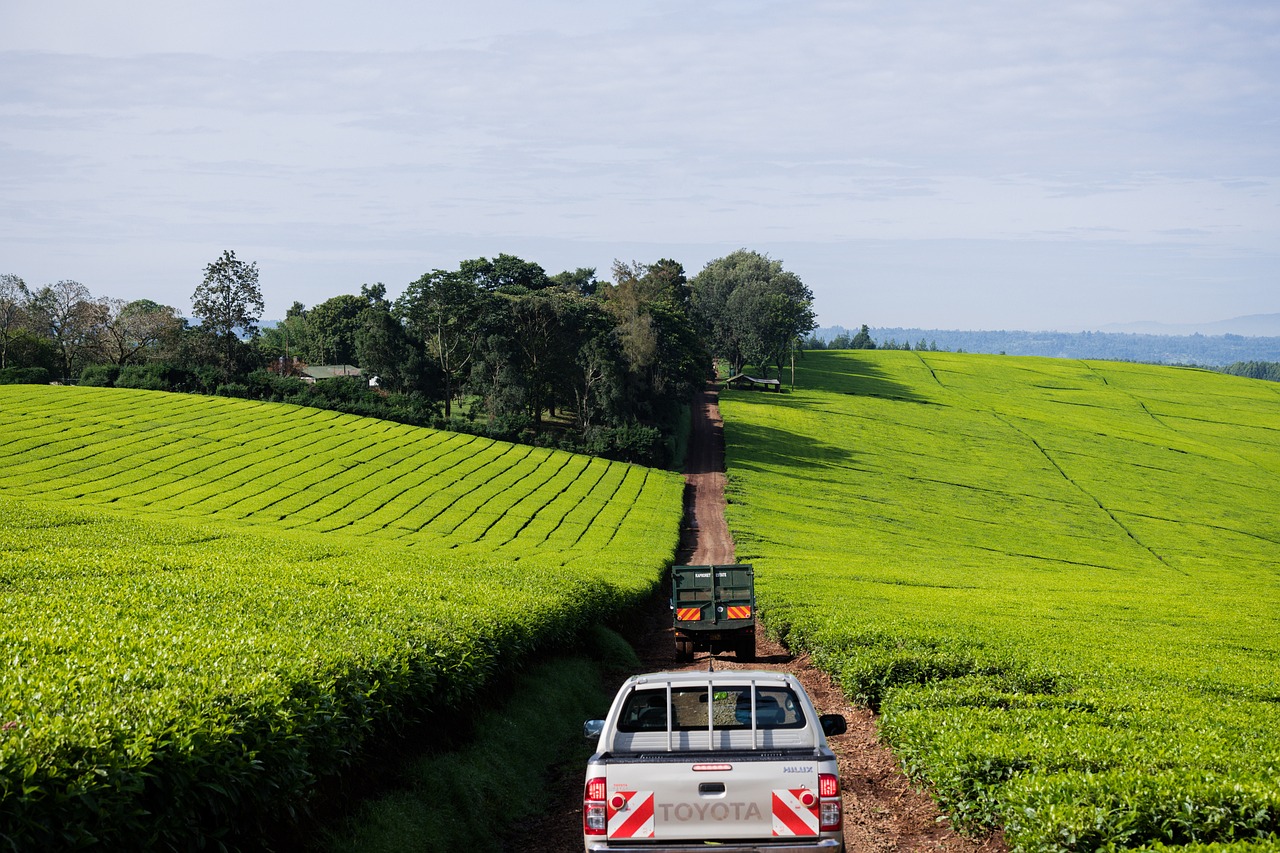
Climate change has significant economic impacts on Kenya, affecting various sectors and posing challenges to the country’s sustainable development. The agriculture sector, which is highly dependent on rainfed farming, is particularly vulnerable to climate variability. Erratic rainfall patterns, prolonged droughts, and extreme weather events disrupt agricultural cycles, leading to reduced crop yields and livestock productivity. This, in turn, affects food security and income stability for rural households.

The tourism sector, another crucial component of Kenya’s economy, is also at risk due to climate change. Changing weather patterns and extreme weather events can alter ecosystems, impacting wildlife behavior and biodiversity. This can lead to reduced tourist numbers and revenue, affecting job opportunities within the sector. For instance, Kenya’s renowned Maasai Mara National Reserve has experienced changes in wildlife migration patterns due to shifts in rainfall, potentially affecting the tourism draw.

Additionally, climate change increases the likelihood and intensity of extreme weather events such as floods and droughts, which can cause extensive damage to critical infrastructure and disrupt supply chains. The economic toll of these events can reverberate across various industries, leading to reduced productivity, increased costs, and potential loss of investments. Floods, in particular, have been known to destroy roads, bridges, and buildings, necessitating costly repairs and reconstruction efforts.

Water resources are also under threat due to climate change, impacting both agriculture and urban areas. The World Bank highlights that water scarcity can lead to conflicts over water use, reducing economic productivity and increasing social instability. As droughts become more frequent, the strain on water supplies for irrigation, drinking, and industrial use intensifies, posing a significant challenge for sustainable economic development.


RELATEDPOSTS

Budget cuts weaken Kenya’s fight against money laundering

January 19, 2026

Minority EABL investors lose Sh12 billion in paper gains after share price pullback

January 15, 2026

To address these challenges, Kenya has implemented climate adaptation and mitigation strategies. In January 2023, the President William Ruto established a State Department for Environment and Climate Change under the Ministry of Environment to underline the government’s commitment to protecting the country from the adverse effects of global warming. Furthermore, the National Climate Change Action Plan (NCCAP) outlines various initiatives aimed at enhancing resilience and reducing greenhouse gas emissions. These include promoting renewable energy, improving water resource management, and advancing climate-smart agriculture.


Previous Post

Unlocking emerging market potential with AI and big data

Next Post

Driving into the future: Is Kenya ready for an electric vehicle revolution?

Fridah Karei

Fridah Karei

Related Posts

Business

What Mbadi’s proposal to exempt Kenyans earning below Sh30,000 from income tax could mean

February 3, 2026
Analysis

Matatu strike paralyzes public transport

February 2, 2026
Economy

How biometric audits could end the ghost worker problem

January 28, 2026
Counties

Counties Must Ramp Up Own-Source Revenue to Escape Delays in National Disbursements

January 23, 2026
Opinion

How targeted training is reshaping Kenya’s workforce readiness

January 22, 2026
Analysis

Safaricom to roll out tokenised wi-fi with hourly and daily plans

January 21, 2026

LATEST STORIES

Corporate bond turnover rises in 2025 but liquidity remains far below historical levels

February 3, 2026

How digital advertising has reshaped Kenya’s promotional playbook

February 3, 2026

From zero to safety: How to grow your emergency savings

February 3, 2026

Fixed Income: The anchor every diversified portfolio needs

February 3, 2026

Your bank balance is living in your past

February 3, 2026

A country on pause: What the matatu strike revealed about Kenya’s Economy

February 3, 2026

Kenya Pipeline Company IPO

February 3, 2026

What Mbadi’s proposal to exempt Kenyans earning below Sh30,000 from income tax could mean

February 3, 2026
  • About Us
  • Meet The Team
  • Careers
  • Privacy Policy
  • Terms and Conditions
Email us: editor@thesharpdaily.com

Sharp Daily © 2024

No Result
View All Result
  • Home
  • News
    • Politics
  • Business
    • Banking
  • Investments
  • Technology
  • Startups
  • Real Estate
  • Features
  • Appointments
  • About Us
    • Meet The Team

Sharp Daily © 2024