Sharp Daily
No Result
View All Result
Tuesday, January 20, 2026
  • Home
  • News
    • Politics
  • Business
    • Banking
  • Investments
  • Technology
  • Startups
  • Real Estate
  • Features
  • Appointments
  • About Us
    • Meet The Team
Sharp Daily
  • Home
  • News
    • Politics
  • Business
    • Banking
  • Investments
  • Technology
  • Startups
  • Real Estate
  • Features
  • Appointments
  • About Us
    • Meet The Team
No Result
View All Result
Sharp Daily
No Result
View All Result
Home Opinion

How climate change impacts Kenya’s agriculture, tourism, and infrastructure

Fridah Karei by Fridah Karei
January 14, 2025
in Opinion
Reading Time: 2 mins read

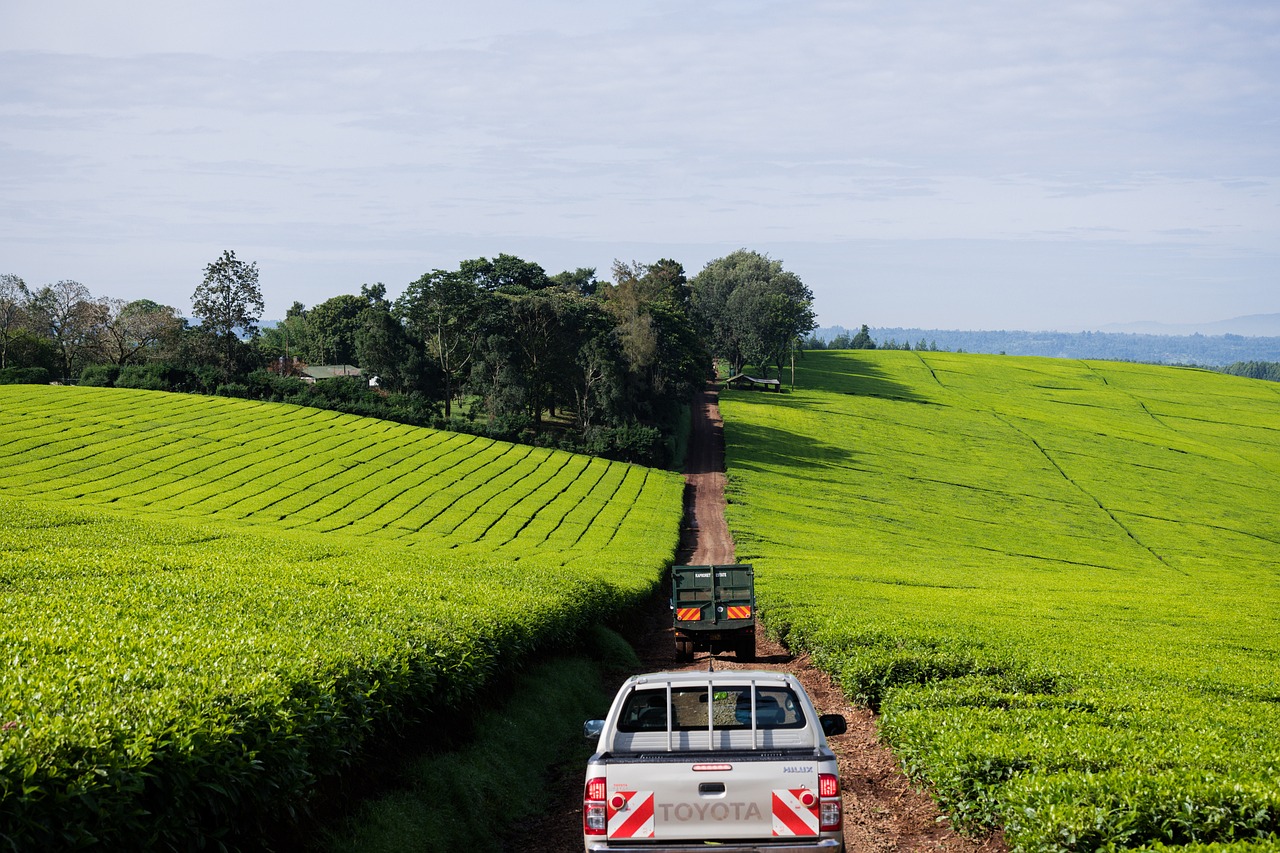
Climate change has significant economic impacts on Kenya, affecting various sectors and posing challenges to the country’s sustainable development. The agriculture sector, which is highly dependent on rainfed farming, is particularly vulnerable to climate variability. Erratic rainfall patterns, prolonged droughts, and extreme weather events disrupt agricultural cycles, leading to reduced crop yields and livestock productivity. This, in turn, affects food security and income stability for rural households.

The tourism sector, another crucial component of Kenya’s economy, is also at risk due to climate change. Changing weather patterns and extreme weather events can alter ecosystems, impacting wildlife behavior and biodiversity. This can lead to reduced tourist numbers and revenue, affecting job opportunities within the sector. For instance, Kenya’s renowned Maasai Mara National Reserve has experienced changes in wildlife migration patterns due to shifts in rainfall, potentially affecting the tourism draw.

Additionally, climate change increases the likelihood and intensity of extreme weather events such as floods and droughts, which can cause extensive damage to critical infrastructure and disrupt supply chains. The economic toll of these events can reverberate across various industries, leading to reduced productivity, increased costs, and potential loss of investments. Floods, in particular, have been known to destroy roads, bridges, and buildings, necessitating costly repairs and reconstruction efforts.

Water resources are also under threat due to climate change, impacting both agriculture and urban areas. The World Bank highlights that water scarcity can lead to conflicts over water use, reducing economic productivity and increasing social instability. As droughts become more frequent, the strain on water supplies for irrigation, drinking, and industrial use intensifies, posing a significant challenge for sustainable economic development.


RELATEDPOSTS

Budget cuts weaken Kenya’s fight against money laundering

January 19, 2026

Minority EABL investors lose Sh12 billion in paper gains after share price pullback

January 15, 2026

To address these challenges, Kenya has implemented climate adaptation and mitigation strategies. In January 2023, the President William Ruto established a State Department for Environment and Climate Change under the Ministry of Environment to underline the government’s commitment to protecting the country from the adverse effects of global warming. Furthermore, the National Climate Change Action Plan (NCCAP) outlines various initiatives aimed at enhancing resilience and reducing greenhouse gas emissions. These include promoting renewable energy, improving water resource management, and advancing climate-smart agriculture.


Previous Post

Unlocking emerging market potential with AI and big data

Next Post

Driving into the future: Is Kenya ready for an electric vehicle revolution?

Fridah Karei

Fridah Karei

Related Posts

Economy

Strategies for Kenya after being spared US visa freeze

January 16, 2026
News

Kenya keeps a close eye on Uganda’s vote as trade and security hang in the balance

January 14, 2026
Banking

Kenya still relies on cheques as digital payments rise despite Sh200 billion in monthly transactions

January 13, 2026
Economy

How poor waste management is undermining Nairobi

January 9, 2026
Analysis

Self-Insurance by Another Name: The Rise of Investment Based Risk Management

January 9, 2026
Banking

From Shadow to Structure: What CBK’s Licensing of Digital Lenders Means for Kenya’s Credit Market

January 9, 2026

LATEST STORIES

The role of insurance in protecting families and businesses

January 19, 2026

The importance of location in property decisions

January 19, 2026

Safaricom plans rollout of tokenised Wi-Fi and prepaid fibre with flexible internet payments in FY2026

January 19, 2026

How banks help small businesses grow and stay sustainable

January 19, 2026

Fear as a market force

January 19, 2026

Kenya–China trade deal signals export boost

January 19, 2026

The Quiet Volatility of Executive Change

January 19, 2026

Risk Based Pricing Is Coming. Are Kenyan Borrowers Prepared?

January 19, 2026
  • About Us
  • Meet The Team
  • Careers
  • Privacy Policy
  • Terms and Conditions
Email us: editor@thesharpdaily.com

Sharp Daily © 2024

No Result
View All Result
  • Home
  • News
    • Politics
  • Business
    • Banking
  • Investments
  • Technology
  • Startups
  • Real Estate
  • Features
  • Appointments
  • About Us
    • Meet The Team

Sharp Daily © 2024