Sharp Daily
No Result
View All Result
Saturday, May 16, 2026
  • Home
  • News
    • Politics
  • Business
    • Banking
  • Investments
  • Technology
  • Startups
  • Real Estate
  • Features
  • Appointments
  • About Us
    • Meet The Team
Sharp Daily
  • Home
  • News
    • Politics
  • Business
    • Banking
  • Investments
  • Technology
  • Startups
  • Real Estate
  • Features
  • Appointments
  • About Us
    • Meet The Team
No Result
View All Result
Sharp Daily
No Result
View All Result
Home Investments

Mastering credit management: Tips for strengthening your credit score in Kenya

Fridah Karei by Fridah Karei
January 2, 2025
in Investments
Reading Time: 2 mins read

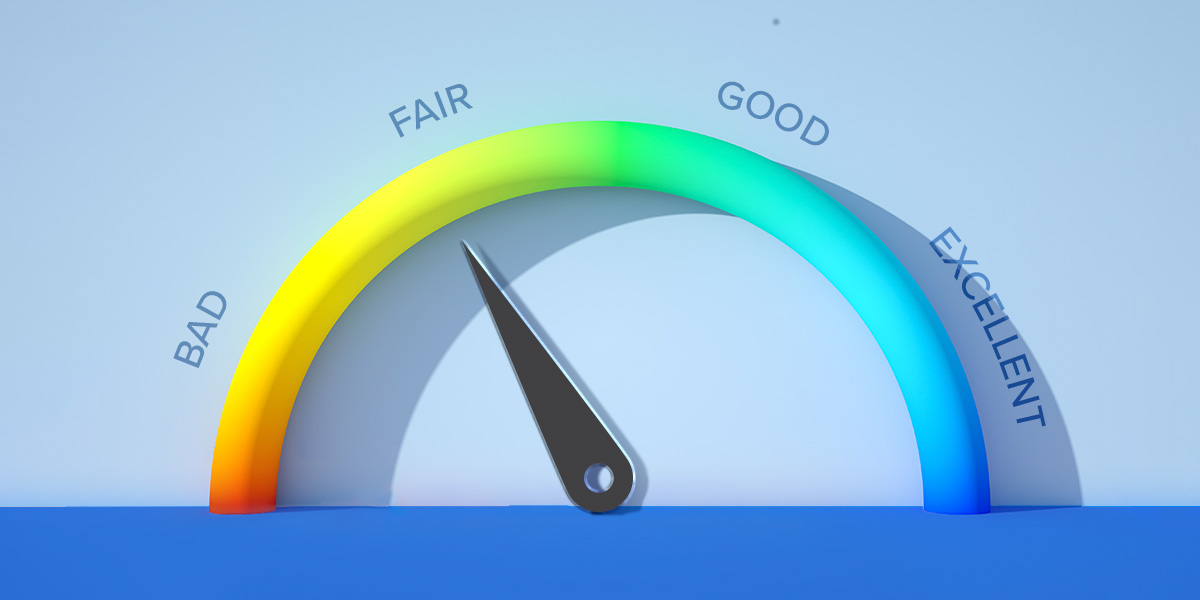
Building a strong credit score in Kenya is essential for financial stability and accessing credit under favourable terms. A credit score is a numerical representation of a person’s creditworthiness, evaluated by credit reference bureaus such as TransUnion, Metropol, and Creditinfo Kenya, under the oversight of the Central Bank of Kenya (CBK). Maintaining a strong score requires consistent and responsible credit management practices.

One of the most critical factors in building a strong credit score is payment history. According to guidelines from the CBK, timely repayment of loans and credit obligations significantly influences credit scores. Late payments or defaults negatively impact your score, signalling unreliability to lenders. To ensure timely payments, consider setting up automatic payments or reminders for due dates.

Credit utilization is another vital factor. This refers to the ratio of credit used compared to the total credit limit available. Maintaining a low utilization ratio, ideally below 30.0%, demonstrates responsible credit management. For example, if you have a credit limit of KES100,000.0, keeping outstanding credit below KES 30,000.0 positively impacts your credit score. Regular monitoring of credit card balances can help in managing this ratio effectively.

The length of your credit history also contributes to your credit score. A longer credit history with consistent repayment records reflects reliability. Avoid closing old credit accounts, as they provide valuable information about your financial behaviour over time. Having a diverse mix of credit accounts, such as secured loans (e.g., mortgages) and unsecured credit (e.g., credit cards), can also strengthen your score. However, it is essential to manage all accounts responsibly. Frequent applications for new credit, however, can negatively affect your score, as each application results in a “hard inquiry.” To minimize the impact, apply for credit only when necessary.

RELATEDPOSTS

No Content Available

Regularly reviewing your credit report is another essential practice. Disputing inaccuracies or errors with credit bureaus ensures that your report reflects accurate information. Additionally, financial institutions offer credit-builder loans designed to help individuals establish or rebuild their credit history.


Previous Post

The dual effect of tariffs: Challenges and opportunities for investors

Next Post

Should you leverage SACCO loans for investment? Balancing costs and returns in Kenya

Fridah Karei

Fridah Karei

Related Posts

Analysis

Co-op bank Q1 profit rises on digital growth

May 15, 2026
Analysis

Safaricom hits ksh 100bn profit mark

May 14, 2026
Analysis

Safaricom maintains growth momentum as digital services drive earnings

May 5, 2026
Analysis

Equity group holdings eyes southern africa growth

April 29, 2026
Analysis

Multinational firms drive massive kSh42 billion dividend distribution on NSE

April 22, 2026
Business

M-Pesa drives surge in NSE retail trading

April 20, 2026

LATEST STORIES

Safaricom’s fuel strategy highlights growing energy risks facing Africa’s digital economy

May 15, 2026

Member Engagement and Financial Literacy in Retirement Planning

May 15, 2026

Why fuel prices in Africa stay high when oil prices fall — and who Mercy Corps is holding responsible

May 15, 2026

Hantavirus on a luxury cruise ship: what we know, what we don’t, and why the WHO says stay calm

May 15, 2026

How Government Borrowing Influences Market Interest Rate

May 15, 2026

Role of customer experience in business growth

May 15, 2026

When to exit an investment

May 15, 2026

EPRA’s Direct Electricity Trading Reforms Signal a Structural Shift in Kenya’s Power Sector

May 15, 2026
  • About Us
  • Meet The Team
  • Careers
  • Privacy Policy
  • Terms and Conditions
Email us: editor@thesharpdaily.com

Sharp Daily © 2024

No Result
View All Result
  • Home
  • News
    • Politics
  • Business
    • Banking
  • Investments
  • Technology
  • Startups
  • Real Estate
  • Features
  • Appointments
  • About Us
    • Meet The Team

Sharp Daily © 2024