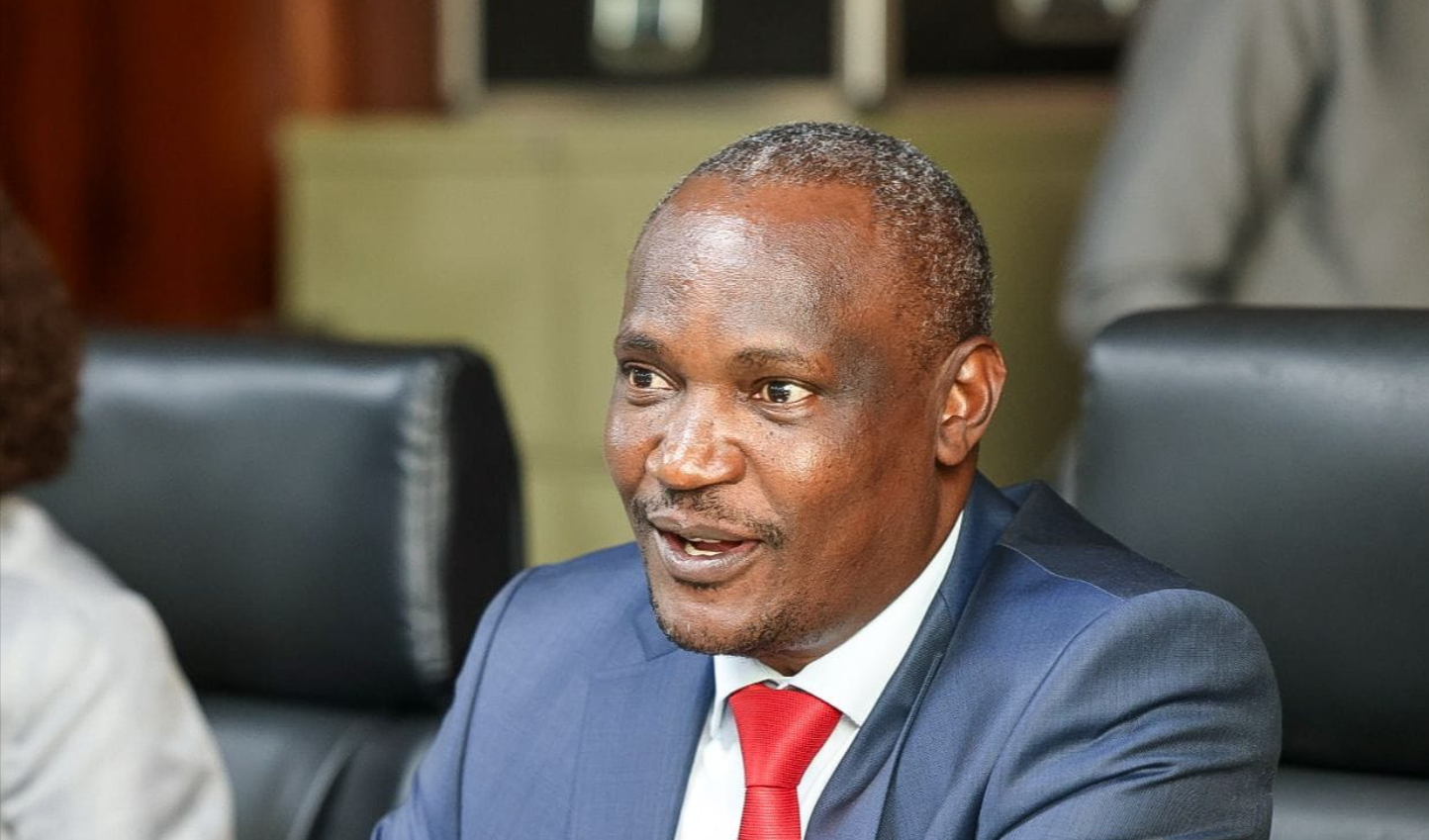
Cabinet Secretary for National Treasury and Economic Planning, John Mbadi, is pushing for the establishment of five new public-private partnerships (PPPs) this financial year, aiming to address the nation’s pressing infrastructure needs while navigating a complex economic landscape.
Speaking in an interview on Spice FM, Mbadi outlined the challenges facing his ministry, including a liquidity crisis, high debt servicing costs, and the imperative of increasing revenue collection.
With Kenya’s economy still grappling with the lingering effects of the COVID-19 pandemic, significant flooding, and geopolitical tensions, Mbadi acknowledged that he stepped into one of the most challenging roles in the cabinet. “I don’t think there is any Minister for Finance who has come in at a very difficult time,” he said, noting the ongoing struggles to manage a budget amid constrained resources and an uncertain economic environment.
The government plans to borrow KES 767 billion ($5.3 billion), constituting 4.3% of the country’s GDP, down from 5.2% the previous financial year. Mbadi emphasized the need to maintain fiscal discipline, asserting that the government would not allow borrowing beyond what has been planned. “If we can reduce the deficit financing at a percentage of GDP over the medium term, we can easily end up balancing the budget,” he stated.


As part of his strategy to stabilize the economy, Mbadi is advocating for the swift implementation of five new PPP projects to bolster infrastructure investments. He stated, “There is no financing for major infrastructural investments in this country without public-private partnerships.” By leveraging private sector capital, the government hopes to alleviate the financial burden while enhancing service delivery.
Despite these initiatives, the Treasury faces significant challenges, particularly in addressing liquidity within the economy. “The problem with liquidity in this country is we are not paying our bills,” Mbadi explained, referencing the government’s backlog of pending bills that has stifled economic activity. He acknowledged that the failure to settle these obligations has exacerbated the liquidity crisis, leaving many businesses struggling to access capital.
Mbadi also touched on the high cost of debt servicing, which has placed immense pressure on the national budget. Currently, Kenya’s total public debt stands at approximately KES 10.6 trillion ($75 billion), with 49% classified as external debt. “The problem today is the cost of that debt,” he said, adding that the government is committed to lowering borrowing costs by reducing interest rates. He noted that the central bank had recently lowered the rate from 13% to 12%, with hopes for further reductions.
In an effort to bolster government revenues, Mbadi announced plans to reform tax collection systems to enhance transparency and close loopholes. He specifically highlighted the need to improve visibility in personal income tax collections and address issues in the rental income sector, where significant amounts of tax revenue go uncollected. “We are coming up with a system that is going to enhance visibility,” he said.
Inflation control remains a critical focus, with current rates at 3.6%, down from 4.3% in July. Mbadi attributed this decline to lower food prices and effective monetary policies, indicating that the government’s strategies are beginning to yield positive results. He expressed optimism about achieving sustained economic growth, which he estimated to be around 5% for the year.
Moreover, Mbadi addressed public concerns regarding the effectiveness of government expenditure, particularly in sectors such as education and health, where significant funds are allocated. He acknowledged the existence of inefficiencies, including ghost workers in public payrolls, and committed to audits to ensure accountability. “Kenyans pay taxes; they need to see value for money,” he said.
The discussion also touched on the contentious issue of public-private partnerships, with Mbadi defending their role in infrastructure development. He emphasized the importance of clear communication regarding these projects, particularly concerning recent contracts like the Adani deal for airport management. “We need to communicate better,” he said, acknowledging that public perception of PPPs is often clouded by skepticism.