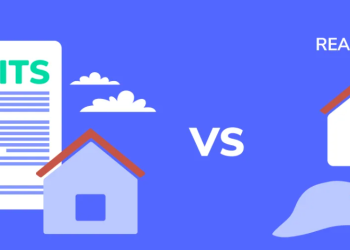
In Kenya, the concept of affordable housing has become increasingly prominent, especially after the current government took office in 2022. The Kenyan government has set an ambitious goal: to deliver 200,000 affordable housing units annually in an effort to address the country’s housing deficit. This initiative is a key part of the government’s broader strategy to improve living conditions and ensure that more Kenyans have access to decent housing.
But what exactly does “affordable housing” mean? Affordable housing refers to housing where the occupant spends no more than 30.0% of their gross income on housing-related expenses, including utilities. This 30.0% threshold is crucial because it ensures that households have enough income left over to cover other essential needs, such as food, healthcare, education, and transportation. In essence, affordable housing is defined by its cost relative to income, rather than its price alone.
In Kenya, the government’s approach to affordable housing has largely centered on home ownership. The plan assumes that individuals will purchase these homes upon completion. However, this raises important questions about affordability in a country where the average household earns around Kshs 50,000 per month. For such a household, the maximum amount they could reasonably allocate to housing each month would be Kshs 15,000. If we consider that the least expensive “affordable” unit might be priced at Kshs 4,000,000, it would take approximately 22 years to repay the cost of the home, assuming all other factors remain constant. This calculation highlights a significant challenge; even at the lowest prices, buying a home may still be out of reach for many Kenyans.
Given the slow uptake of these affordable housing units, it might be time for the government to reconsider its strategy. One potential solution could be to shift the focus from home ownership to renting. By offering affordable housing units for rent, the government could make it easier for more Kenyans to access decent housing without the long-term financial burden of purchasing a home. Renting would also provide greater flexibility for individuals who may not be ready or able to commit to buying property but still need quality housing.

This shift could help bridge the gap between the government’s ambitious goals and the reality of what many Kenyans can afford. By offering affordable rental options, the government would not only address the immediate housing needs of its citizens but also create a more inclusive housing market that accommodates a wider range of financial situations. This approach could be particularly beneficial in urban areas, where the demand for affordable housing is highest and where many people may prefer the flexibility of renting over the commitment of buying.
As Kenya continues to grapple with its housing challenges, it is clear that innovative solutions are needed. By exploring alternative approaches like affordable rentals, the government could make significant strides toward ensuring that all Kenyans have access to safe, decent, and truly affordable housing. The success of the affordable housing initiative will ultimately depend on its ability to adapt to the needs and realities of the population it aims to serve.