Sharp Daily
No Result
View All Result
Thursday, January 8, 2026
  • Home
  • News
    • Politics
  • Business
    • Banking
  • Investments
  • Technology
  • Startups
  • Real Estate
  • Features
  • Appointments
  • About Us
    • Meet The Team
Sharp Daily
  • Home
  • News
    • Politics
  • Business
    • Banking
  • Investments
  • Technology
  • Startups
  • Real Estate
  • Features
  • Appointments
  • About Us
    • Meet The Team
No Result
View All Result
Sharp Daily
No Result
View All Result
Home Real Estate

Gully trap essentials: A guide to preventing foul odours and insects

Solomon Kimani by Solomon Kimani
July 18, 2024
in Real Estate
Reading Time: 2 mins read

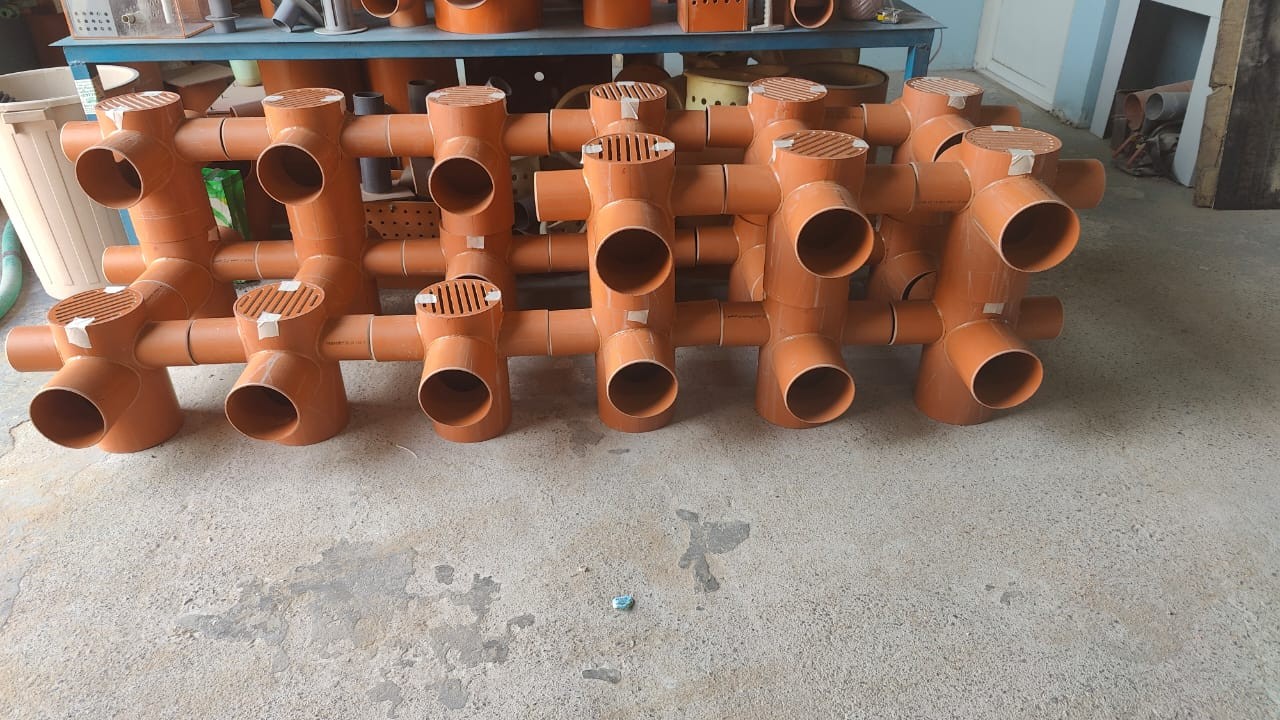
A gully trap is a basin-like plumbing installation in the ground which receives piped wastewater from the kitchen, bathroom, and laundry before it is emptied into the sewer. It is sometimes used for rainwater downpipes at ground level before connecting to the stormwater drain. It is an integral part of the drainage system, especially for small household units with no more than two storeys.

A gully trap prevents foul gases from entering the building by providing a water seal. It functions similarly to a bottle trap. It is designed to retain a small quantity of wastewater from the discharge of the fitting to which it is attached, thereby preventing foul odours from entering the building. This seal also prevents bugs and insects from the sewer line from entering wastewater pipes. The water seal typically has a minimum depth of 50mm, and the trap’s diameter should not be smaller than the diameter of the outlet of the fixture to which it is connected.

To further reduce kitchen foul smells, it is essential to ensure that the gully trap is properly maintained. Regular cleaning of the gully trap helps to remove any accumulated debris that might otherwise contribute to odours. Additionally, ensuring that the water seal is maintained by periodically running water through the system can help prevent the seal from drying out and losing its effectiveness.

Proper installation of gully traps also involves ensuring they are positioned correctly. They should be located in areas where they can easily collect wastewater from the kitchen, bathroom, and laundry, and where they can be easily accessed for maintenance.

RELATEDPOSTS

No Content Available

In summary, using gully traps is an effective method for reducing kitchen foul smells in residential buildings. By maintaining a water seal, they prevent the ingress of foul gases and pests, thereby improving the overall hygiene and comfort of the home. Regular maintenance and proper installation are key to ensuring that gully traps function effectively and continue to provide this essential service.


Previous Post

IG Kirocho announces protest ban in Nairobi’s CBD

Next Post

Choosing between ordinary and preference shares

Solomon Kimani

Solomon Kimani

Related Posts

Real Estate

Kenya’s Infrastructure Sector Poised for Growth in 2026

January 5, 2026
Crime

Tall building collapses in south c Nairobi, rescue Efforts ongoing

January 2, 2026
Analysis

In duplum rule Kenya: slain lawyer Mathew Kyalo Mbobu wins posthumous victory against Sh69M predatory loan demand.

December 3, 2025
Money

World bank raises Kenya’s 2025 growth forecast as construction sector rebounds

November 25, 2025
Analysis

Growing Appeal of Alternative Investments in Africa

November 21, 2025
Crime

Why urban Kenyans are turning to micro-homes and co-living spaces

November 5, 2025

LATEST STORIES

The Role of Small Wins in a Large Economy

January 7, 2026

Economic Pressures Amid Rising Living Costs and Shifting Benchmarks

January 7, 2026

Kenya’s Widening Income Inequality: Growth Without Shared Prosperity

January 7, 2026

Kenya’s private sector closes 2025 strong as PMI signals growth momentum

January 7, 2026

Co-op bank ends 2025 with record market capitalization and profit growth

January 7, 2026

Nvidia unveils Vera Rubin AI chip platform amid rising competition and surging data center demand

January 7, 2026

KPC NSE listing set to open state-owned energy giant to public investors

January 6, 2026

Kenyan SACCOs begin accepting movable property as security for loans

January 6, 2026
  • About Us
  • Meet The Team
  • Careers
  • Privacy Policy
  • Terms and Conditions
Email us: editor@thesharpdaily.com

Sharp Daily © 2024

No Result
View All Result
  • Home
  • News
    • Politics
  • Business
    • Banking
  • Investments
  • Technology
  • Startups
  • Real Estate
  • Features
  • Appointments
  • About Us
    • Meet The Team

Sharp Daily © 2024