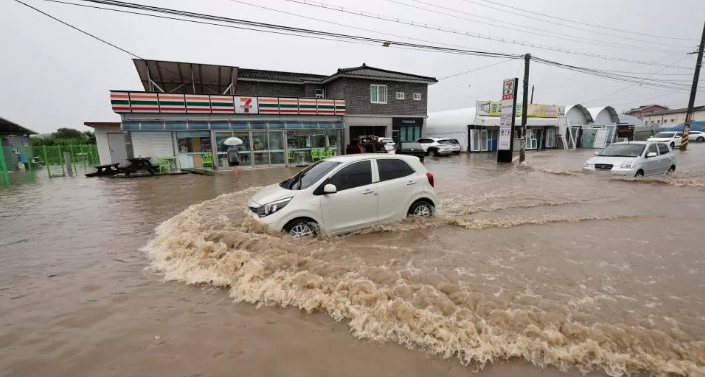
Over the recent years, Kenya has been struggling with the effects of climate change, ranging from
severe droughts to devastating floods.
The rise in extreme weather events has not only posed a significant threat to livelihoods but has also prompted a surge in the demand for climate risk insurance across the country.
Kenya, like many other African nations, heavily relies on agriculture as the backbone of its economy. However, unpredictable weather patterns caused by climate change have caused farmers to incur losses through crop failure, livestock deaths, and damage to agricultural infrastructure.
Recognizing the urgent need to mitigate these risks, insurance companies and international organizations have stepped in to provide innovative solutions.


Climate risk insurance, also known as index-based insurance, has gained traction as a viable financial tool to protect individuals and businesses against climate-related losses.
One of the most significant advantages of climate risk insurance is its reliance on objective indices rather than individual loss assessments.
This system uses predetermined indicators such as rainfall levels, temperature variations, or vegetation health to trigger insurance payouts.
For instance, if the rainfall in a particular region falls below a certain threshold, farmers in that area would automatically receive compensation, enabling them to recover and sustain their livelihoods.
In Kenya, initiatives like the Kenya Livestock Insurance Program (KLIP) and the Agriculture and Climate Risk Enterprise (ACRE) have been instrumental in offering insurance products tailored to the needs of farmers.
These programs aim to build resilience by providing timely financial support to farmers affected by droughts or excessive rainfall, thereby preventing them from slipping deeper into poverty.
Moreover, the Kenyan government has taken proactive steps to support climate risk insurance initiatives by collaborating with various stakeholders, creating an enabling environment for the growth of such programs.
Additionally, partnerships with international organizations and donor agencies have injected capital and technical expertise to expand the reach and impact of these insurance schemes.
The relevance of climate risk insurance in Kenya cannot be overstated. It serves as a critical tool in
safeguarding communities, particularly those most vulnerable to the impacts of climate change.
By providing a safety net against weather-related catastrophes, it empowers individuals and businesses to recover swiftly, build resilience, and continue contributing to the country's economic growth.
As climate change continues to intensify, the importance of climate risk insurance will only increase.
It is imperative for stakeholders, including governments, insurers, and NGOs, to work collaboratively to further develop and promote these innovative insurance mechanisms, ensuring that they reach those who need them the most in Kenya and beyond.