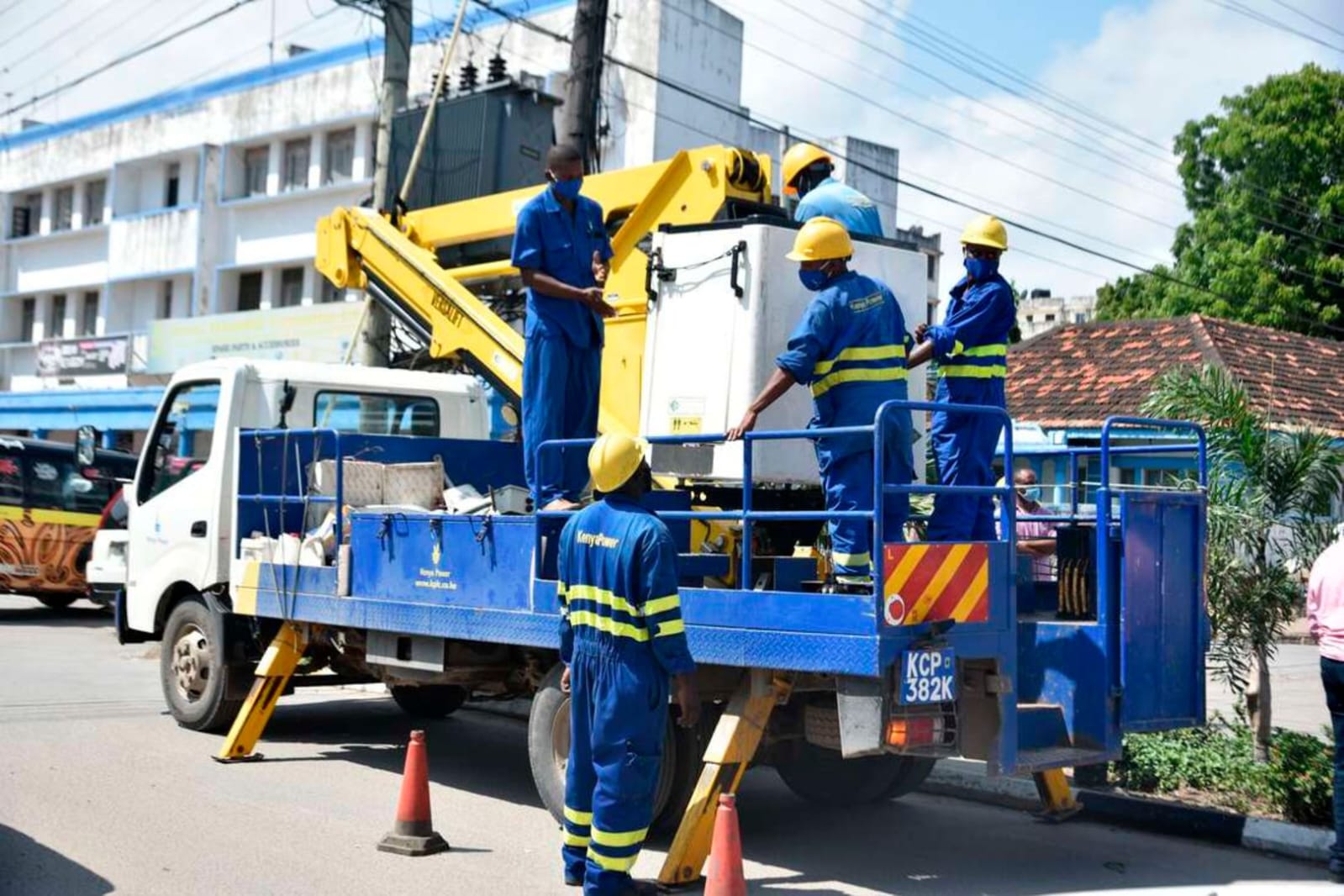
In Kenya, the cost of electricity is more than just a number on a monthly bill; it is a fundamental determinant of economic competitiveness, industrial growth, and household welfare. While the country has made remarkable strides in generating capacity and connectivity, the persistently high cost of power poses a significant headwind to its ambitious development goals. There has been an increase in the electricity price with an increase of 5.2 % to KSH 28.8 kWh in October from KSH 28.0 kWh in October due to an increase in a fuel energy cost charge of plus 369 Kenya cents per kWh for all meter readings to be taken in October. And an additional of Ksh 1.5 kWh will be applied to all meter readings in October to cover the foreign exchange fluctuation adjustment. The last adjustment in was 1.2 cents per kWh, which will be remitted for the Water Resource Management Authority (WRMA) levy. In addition to these charges, their electricity bill will be subjected to more charges, including a 16% Value Added Tax (VAT). 5% of the costs of the units consumed by the customer will also be remitted for the Rural Electrification Programme (REP) levy to facilitate the implementation of rural electrification projects, and lastly an EPRA levy of 3% per unit will be applied.
For industries and businesses, electricity is a primary input cost. High tariffs directly erode profit margins, forcing companies to make difficult choices. To remain competitive, many absorb the costs, reducing their ability to reinvest, expand, and create new jobs. Others are compelled to raise the prices of their goods and services, fueling inflation increased by 0.1% points to 4.6% in September from 4.5% in October and making Kenyan products less attractive both domestically and in export markets. This undermines the “Buy Kenya, Build Kenya” initiative and discourages the foreign direct investment needed for economic transformation. Thus, electricity remaining to be one of the greatest barriers to business, which is a result of policy choices which can change.


The high cost is often attributed to a multi-layered tariff structure that includes not just the actual energy charge, but also various capacity charges, fuel cost adjustments, and taxes. This is noted by Qimiao Fan, World Bank division director for the Kenya, Rwanda, Somalia and Uganda, who suggested that the Kenyan electricity tariffs are 53.0% higher than Uganda’s 88.0%, than Tanzania’s and more than double South Africa and Ethiopia’s. A significant portion of the bill is tied to long-term Power Purchase Agreements (PPAs) with independent producers, which guarantee payments regardless of whether the power is used. This “take-or-pay” model, while crucial for attracting initial investment, creates a fixed financial burden that is passed on to all consumers.
The ripple effects extend to every Kenyan household. As the cost of production rises for food processors, manufacturers, and retailers, these expenses are inevitably passed down the chain, leading to a higher cost of living. This diminishes disposable income, forcing families to cut back on other essential expenditures like education and healthcare. For small and medium-sized enterprises (SMEs), which are the backbone of the economy or the people of the economy as they are known, high electricity bills can be the difference between survival and collapse.
Addressing this challenge is paramount. The government’s focus on increasing the share of cheaper, renewable sources like geothermal and wind is a positive step. However, re-evaluating the structure of PPAs, enhancing the efficiency of the transmission grid to reduce losses, and fostering greater competition in the energy sector are critical to delivering affordable power. Last, reforms are not only about removing barriers but also about building bridges, bridges between regulation and innovations, so that the policy responds to the economic growth and development.Start your investment journey today with the Cytonn Money Market Fund. Call +254 (0)709 101 200 or email sales@cytonn.com.