Sharp Daily
No Result
View All Result
Thursday, April 9, 2026
  • Home
  • News
    • Politics
  • Business
    • Banking
  • Investments
  • Technology
  • Startups
  • Real Estate
  • Features
  • Appointments
  • About Us
    • Meet The Team
Sharp Daily
  • Home
  • News
    • Politics
  • Business
    • Banking
  • Investments
  • Technology
  • Startups
  • Real Estate
  • Features
  • Appointments
  • About Us
    • Meet The Team
No Result
View All Result
Sharp Daily
No Result
View All Result
Home News

Why Cash Still Matters in a Digital Money World

Susan by Susan
December 19, 2025
in News
Reading Time: 2 mins read

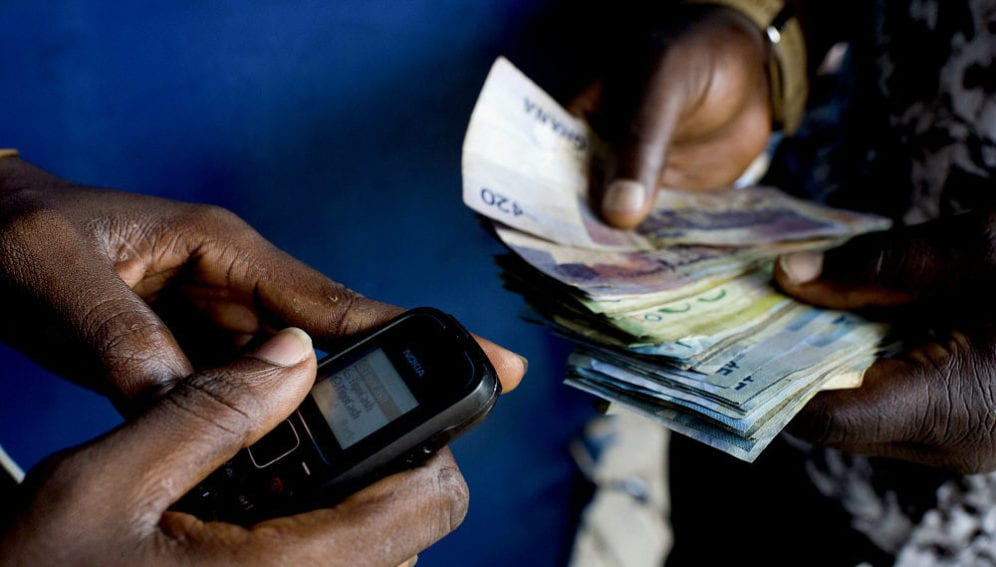
The rapid growth of digital payments has reshaped how money moves through modern economies. Mobile wallets, cards, online banking, and instant transfers have made transactions faster, traceable, and increasingly cashless. In many urban settings, physical cash is no longer required for daily activities, from shopping to transport. Yet despite this progress, cash continues to hold an important place in the financial system, revealing that convenience alone does not replace its deeper economic role.

Cash remains a powerful tool for personal financial control. Unlike digital money, which can be spent with a tap or swipe, cash creates a tangible connection to value. People often spend more cautiously when they can physically see money leaving their hands. This friction encourages budgeting discipline and helps households manage expenses in environments where income is uncertain or irregular. For many, cash acts as a psychological barrier against impulsive spending driven by digital convenience.

Beyond individual behavior, cash plays a stabilizing role in the broader economy. Digital systems depend on infrastructure such as electricity, network coverage, and functioning financial platforms. When these systems fail due to outages, cyber risks, or technical disruptions, cash becomes the fallback that keeps commerce moving. Its independence from technology makes it a reliable medium during periods of instability, particularly in developing economies where digital access is uneven. Cash also remains vital for inclusion in subtle but important ways. While digital finance expands access, not everyone is fully integrated into formal banking systems. Informal workers, small traders, and rural communities often rely on cash due to fluctuating incomes or limited documentation. Cash allows these groups to participate in economic activity without barriers, ensuring trade continues even when formal systems lag behind reality.

From a policy perspective, cash provides balance in a rapidly digitizing economy. It offers privacy in transactions, reduces exposure to excessive fees, and prevents over-dependence on private payment platforms. Maintaining cash circulation helps preserve consumer choice while safeguarding economic resilience. The persistence of cash is not a rejection of digital progress but a complement to it. A healthy financial ecosystem recognizes that efficiency and accessibility must coexist with stability and control. As economies modernize, cash remains a quiet anchor, supporting discipline, resilience, and inclusivity in a world that increasingly moves at digital speed.

RELATEDPOSTS

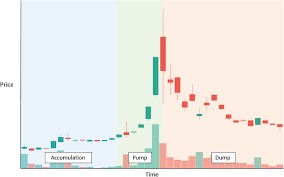
Pump and Dump in the Age of Retail Investors: How Market Manipulation Is Evolving

April 9, 2026
On December 9, 2025, the Central Bank of Kenya lowered its benchmark rate to 9.00 percent, its lowest since early 2023.

CBK holds base lending rate at 8.75 percent as global risks rise

April 9, 2026
Previous Post

Is Government a Facilitator or an Investor? Rethinking the State’s Role in Economic Development

Next Post

Should Kenya’s National Infrastructure Fund Be a Corporate Entity?

Susan

Susan

Related Posts

News

Pump and Dump in the Age of Retail Investors: How Market Manipulation Is Evolving

April 9, 2026
Analysis

Kenya central bank pauses rate cuts amid inflation concerns

April 9, 2026
Analysis

Kenya private sector contracts as costs and demand weaken

April 9, 2026
News

The role of fiscal policy in shaping investment climate

April 9, 2026
News

Investing in commercial properties

April 8, 2026
News

Understanding overdiversification in investing

April 8, 2026

LATEST STORIES

Pump and Dump in the Age of Retail Investors: How Market Manipulation Is Evolving

April 9, 2026
On December 9, 2025, the Central Bank of Kenya lowered its benchmark rate to 9.00 percent, its lowest since early 2023.

CBK holds base lending rate at 8.75 percent as global risks rise

April 9, 2026

Kenya central bank pauses rate cuts amid inflation concerns

April 9, 2026

Kenya private sector contracts as costs and demand weaken

April 9, 2026

The role of fiscal policy in shaping investment climate

April 9, 2026

Investing in commercial properties

April 8, 2026

Understanding overdiversification in investing

April 8, 2026

How demographics influence property demand

April 8, 2026
  • About Us
  • Meet The Team
  • Careers
  • Privacy Policy
  • Terms and Conditions
Email us: editor@thesharpdaily.com

Sharp Daily © 2024

No Result
View All Result
  • Home
  • News
    • Politics
  • Business
    • Banking
  • Investments
  • Technology
  • Startups
  • Real Estate
  • Features
  • Appointments
  • About Us
    • Meet The Team

Sharp Daily © 2024