Sharp Daily
No Result
View All Result
Thursday, May 21, 2026
  • Home
  • News
    • Politics
  • Business
    • Banking
  • Investments
  • Technology
  • Startups
  • Real Estate
  • Features
  • Appointments
  • About Us
    • Meet The Team
Sharp Daily
  • Home
  • News
    • Politics
  • Business
    • Banking
  • Investments
  • Technology
  • Startups
  • Real Estate
  • Features
  • Appointments
  • About Us
    • Meet The Team
No Result
View All Result
Sharp Daily
No Result
View All Result
Home Analysis

Is Government a Facilitator or an Investor? Rethinking the State’s Role in Economic Development

Ryan Macharia by Ryan Macharia
December 19, 2025
in Analysis, Business, Counties, Economy, Features, Healthcare, Investments, Money
Reading Time: 2 mins read

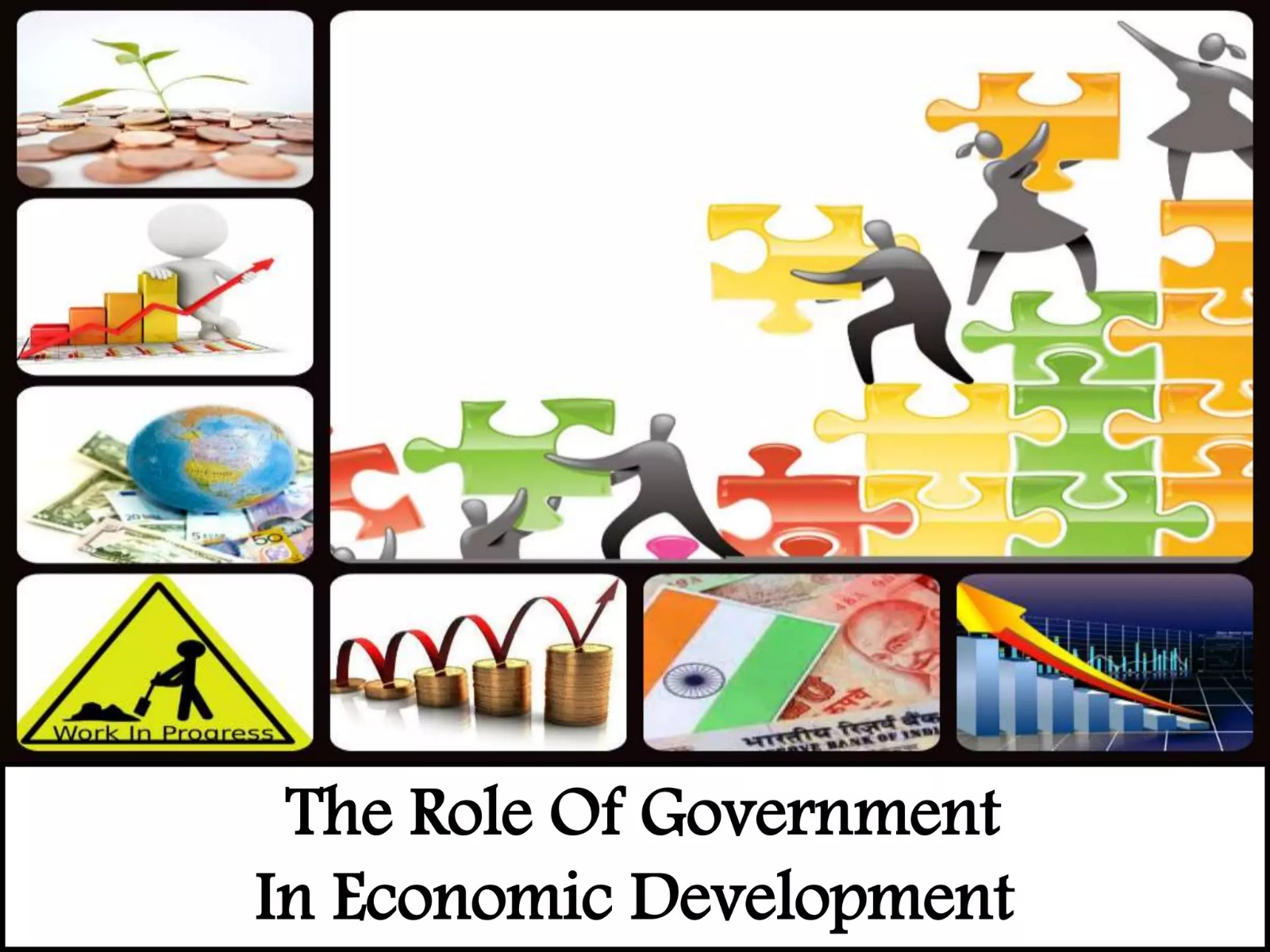
A common argument in economic policy debates is that government should act as a facilitator of markets rather than an investor. The idea is rooted in classical economic theory, which holds that private investors allocate resources more efficiently, while governments focus on regulation, infrastructure, and public goods. Yet in practice, especially in developing economies, the line between facilitation and direct investment is often blurred.


In theory, governments perform best when they create an enabling environment for private enterprise. This includes maintaining macroeconomic stability, enforcing contracts, protecting property rights, and investing in public infrastructure such as roads, energy, and education. When these fundamentals are in place, private capital can flow into productive sectors, driving innovation, efficiency, and growth. From this perspective, government investment in commercial ventures risks crowding out private players and distorting markets.


 

RELATEDPOSTS

Cable Experts to acquire 68% stake in East African Cables from TransCentury

May 20, 2026
John Mbadi, Kenya's treasury secretary, during an interview in Nairobi, Kenya, on Wednesday, Aug. 20, 2025. Kenya is in talks with China to convert dollar-denominated debt the East African nation owes its biggest bilateral lender to yuan and extend the repayment period, Mbadi said. Photographer: Kang-Chun Cheng/Bloomberg via Getty Images

Finance bill 2026: Key changes set to shape kenya’s economy

May 20, 2026

However, the reality in many developing economies challenges this strict separation. Market failures are common, particularly in sectors requiring large upfront capital, long payback periods, or high risk. Infrastructure, industrial manufacturing, affordable housing, and early-stage technology often struggle to attract private investment without state involvement. In such cases, government investment can act as a catalyst rather than a competitor, reducing risk and unlocking private capital.


Historical experience supports this more nuanced view. Many of today’s advanced economies relied heavily on state investment during their early development stages. Governments funded railways, utilities, industrial banks, and strategic industries long before private capital markets matured. In emerging markets, state-backed development banks and public-private partnerships have played similar roles in supporting growth where markets alone could not.


That said, government investment carries significant risks. Poor governance, political interference, and weak accountability can turn public investments into inefficient or loss-making ventures. When state-owned enterprises operate without commercial discipline, they often drain public resources and undermine fiscal stability. This is why critics argue that governments should limit direct investment and instead focus on facilitation.


The more relevant question, therefore, is not whether government should invest, but when and how it should do so. Government investment makes sense where clear market failures exist, where social returns exceed private returns, and where strong governance frameworks are in place. In all other cases, the state’s role should remain that of regulator, coordinator, and enabler.


Ultimately, effective economic development requires balance. Governments must facilitate markets wherever possible, but they should not rule out strategic investment where markets fail. The challenge lies in knowing when to step in and when to step back.

 

Previous Post

Tala’s USDC Credit Plan Signals a New Era for Blockchain-Based Lending

Next Post

Why Cash Still Matters in a Digital Money World

Ryan Macharia

Ryan Macharia

Related Posts

Business

Cable Experts to acquire 68% stake in East African Cables from TransCentury

May 20, 2026
John Mbadi, Kenya's treasury secretary, during an interview in Nairobi, Kenya, on Wednesday, Aug. 20, 2025. Kenya is in talks with China to convert dollar-denominated debt the East African nation owes its biggest bilateral lender to yuan and extend the repayment period, Mbadi said. Photographer: Kang-Chun Cheng/Bloomberg via Getty Images
Analysis

Finance bill 2026: Key changes set to shape kenya’s economy

May 20, 2026
Business

Equity Group Holdings move to extend its footprint across Southern Africa

May 19, 2026
Analysis

Co-op bank Q1 profit rises on digital growth

May 15, 2026
Business

MeTL Group plans Sh6.5 Billion Mombasa plant to challenge Coca Cola and Pepsi in Kenya

May 14, 2026
Analysis

Safaricom hits ksh 100bn profit mark

May 14, 2026

LATEST STORIES

Cable Experts to acquire 68% stake in East African Cables from TransCentury

May 20, 2026
John Mbadi, Kenya's treasury secretary, during an interview in Nairobi, Kenya, on Wednesday, Aug. 20, 2025. Kenya is in talks with China to convert dollar-denominated debt the East African nation owes its biggest bilateral lender to yuan and extend the repayment period, Mbadi said. Photographer: Kang-Chun Cheng/Bloomberg via Getty Images

Finance bill 2026: Key changes set to shape kenya’s economy

May 20, 2026

The relationship between interest rates and equity market performance

May 20, 2026

The impact of exchange rate volatility on investment decisions

May 19, 2026

Equity Group Holdings move to extend its footprint across Southern Africa

May 19, 2026

The Spotify “Disco Ball” Branding Stunt

May 18, 2026

Court to decide on Kenya’s Sh204 billion Safaricom stake sale

May 18, 2026

The influence of commodity prices on investment markets

May 18, 2026
  • About Us
  • Meet The Team
  • Careers
  • Privacy Policy
  • Terms and Conditions
Email us: editor@thesharpdaily.com

Sharp Daily © 2024

No Result
View All Result
  • Home
  • News
    • Politics
  • Business
    • Banking
  • Investments
  • Technology
  • Startups
  • Real Estate
  • Features
  • Appointments
  • About Us
    • Meet The Team

Sharp Daily © 2024