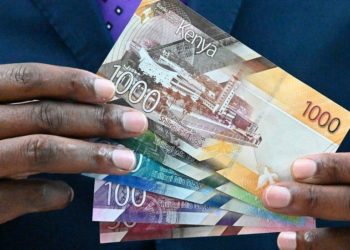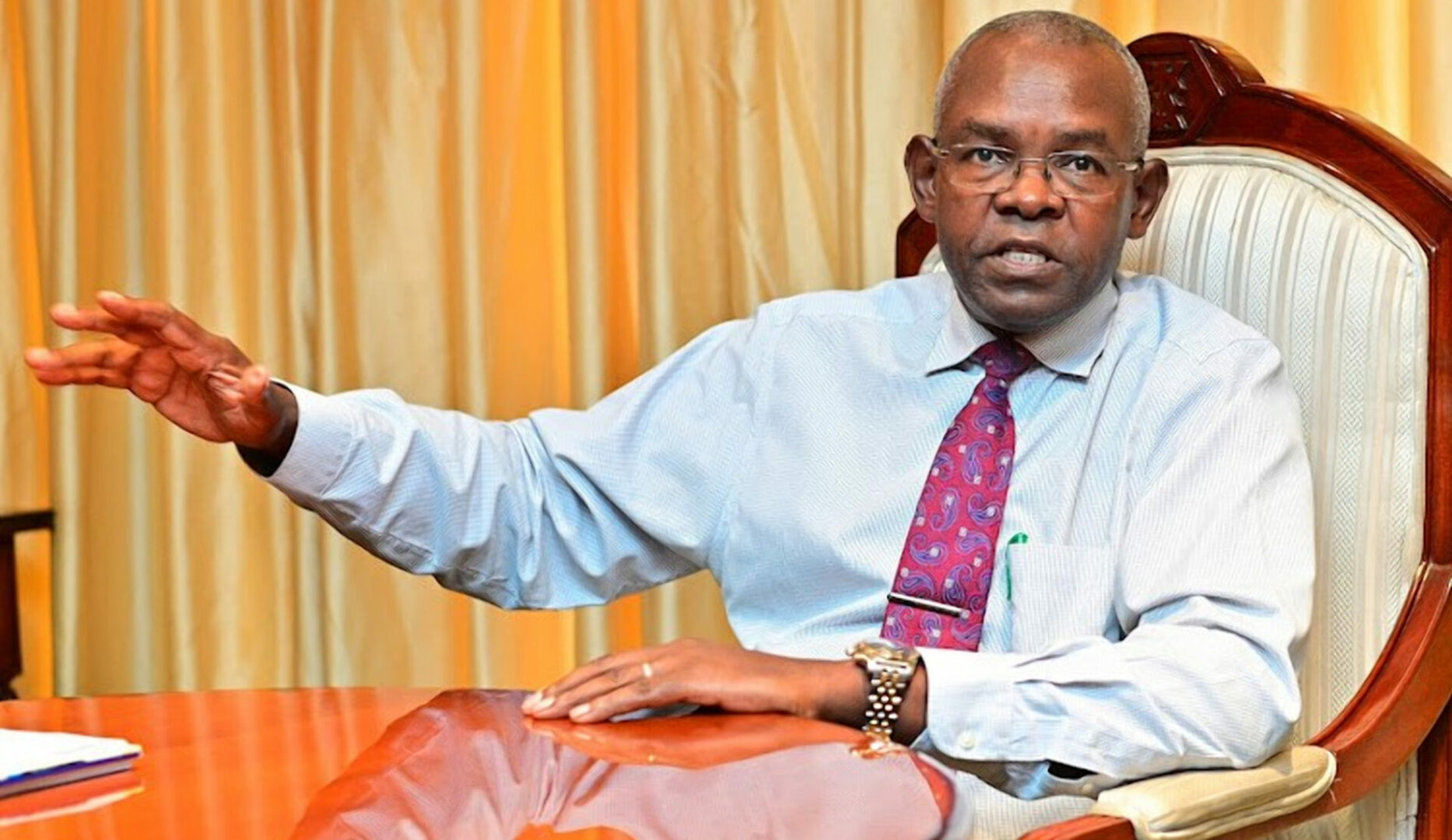
The Central Bank of Kenya finds itself in an uncomfortable position that mirrors a dilemma facing central banks globally: how to maintain independence when government finances are stretched so thin that any meaningful tightening of monetary policy threatens fiscal collapse. The question is no longer whether the CBK is independent, but whether independence is even possible when public debt stands at 70.5% of GDP and debt service consumes over 82.0% of government revenue.
The story of how we arrived here is instructive. Following the global financial crisis playbook, the CBK maintained accommodative monetary policy for extended periods, keeping rates low to stimulate growth. This seemingly prudent approach had perverse consequences. Low interest rates made government borrowing cheap and easy, removing the market discipline that might have constrained fiscal excess. The National Treasury learned it could borrow aggressively without immediate consequences. By the time inflation spiked in 2022-2023, forcing the CBK to raise rates to 13.0%, the damage was done, Kenya’s debt burden had become politically and economically intractable.
Now, even as inflation has fallen to 4.5% and the shilling has stabilized, the CBK has slashed rates from 13.0% to 9.0% through nine consecutive cuts since August 2024. The official justification, supporting economic growth and private sector credit, is only partially convincing. Private sector credit growth remains anemic at 6.3%, suggesting businesses aren’t borrowing despite cheaper money. The unstated rationale is more compelling: the government simply cannot afford higher borrowing costs. With a fiscal deficit of Kshs 795.0 bn projected for FY 2025/26, every percentage point increase in domestic borrowing costs adds billions to debt service.
The CBK’s liquidity management operations reveal this dynamic clearly. In 2025, the central bank mopped up Kshs 9.2 trillion through repos and term auction deposits while simultaneously purchasing over USD 3.0 bn to build forex reserves. This delicate balancing act, injecting shillings to buy dollars while withdrawing them to prevent currency depreciation, is monetary policy theater. The real objective is maintaining enough liquidity to ensure smooth government bond auctions without triggering inflation or currency instability.


The distributional consequences mirror those observed globally. Commercial banks, holding 59.0% liquidity ratios, are awash in cash but reluctant to lend to the real economy, preferring government securities offering 13.0-14.0% yields with zero credit risk. Meanwhile, forex reserves have quintupled the wealth of dollar-asset holders since 2023, property prices in Nairobi have surged beyond wage growth, and ordinary Kenyans face a cost of living crisis despite “low” official inflation. The financial system is getting rich; the real economy is treading water.
Kenya now faces what economists call “fiscal dominance”, a state where monetary policy is subordinated to the government’s financing needs. The World Bank’s freeze of USD 750.0 mn in budget support and uncertain IMF relations only tighten this trap. Without external concessional financing, domestic borrowing must increase. But the Treasury’s recent strategy of rejecting “highly-priced” bids in bond auctions, while lauded as fiscal discipline, is really an admission that market-clearing rates are unaffordable.
The CBK’s independence was supposed to anchor inflation expectations and force fiscal discipline through market interest rates. Instead, we have a central bank that must keep rates low to prevent sovereign debt distress, while using increasingly complex interventions to maintain the fiction of stability. The question isn’t whether this is sustainable, it clearly isn’t. The question is what breaks first: the currency, inflation expectations, or the pretense of central bank autonomy.