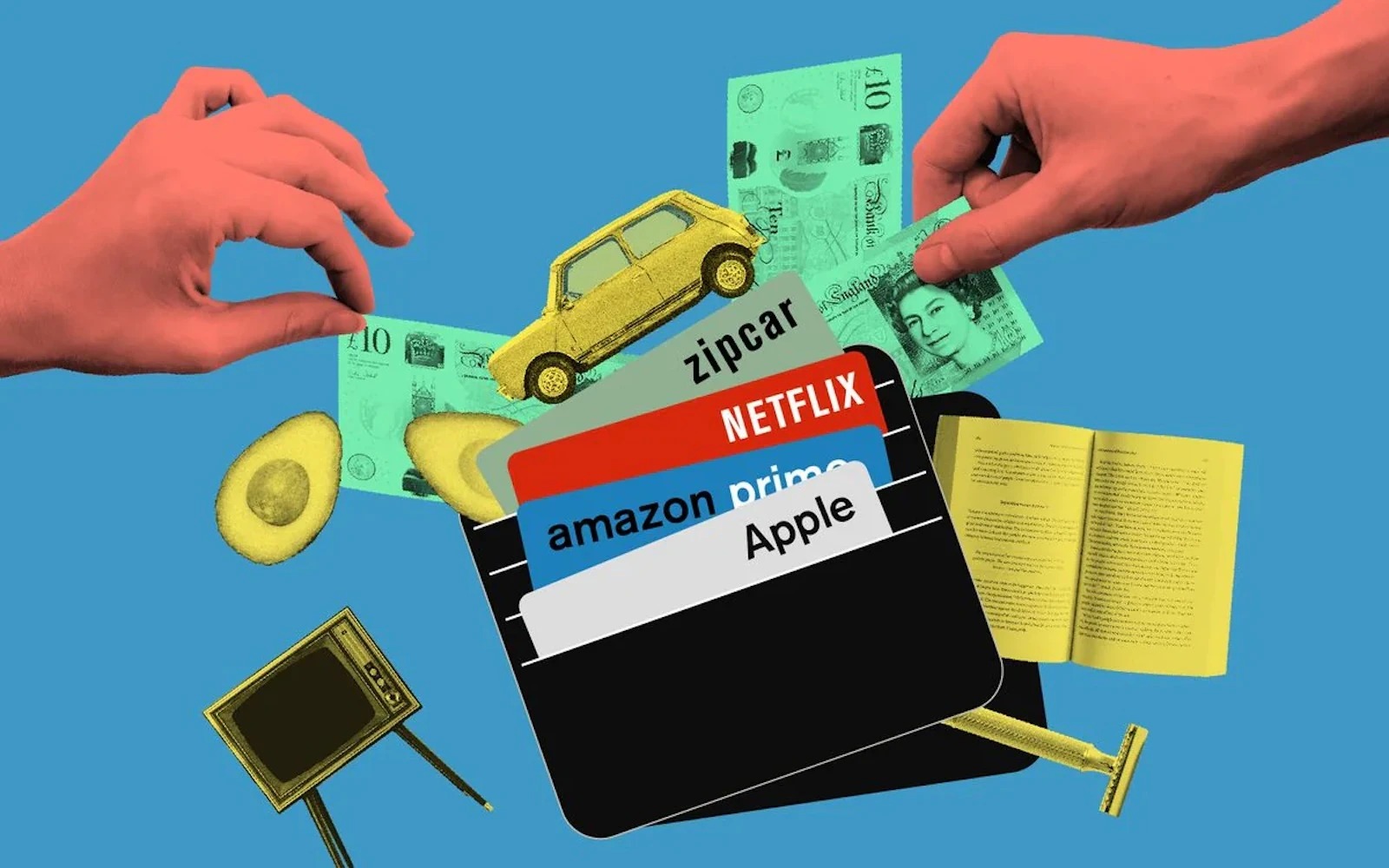
In contemporary markets, access to premium goods and services is increasingly structured around continuous upgrading rather than one-time purchase. Across sectors such as digital services, consumer technology, transport, professional tools, and even housing, product differentiation is organised through tiered access models. These models condition higher quality, convenience, or functionality on periodic payments, software updates, or hardware replacement, making upgrading an integral component of consumption rather than an occasional decision.
From an economic perspective, this structure reflects a shift toward price discrimination strategies that segment consumers by willingness to pay rather than production cost. In markets with low marginal costs, particularly digital goods and services, firms can maintain multiple access tiers without significant cost differences. Premium tiers often provide advantages such as faster processing, fewer restrictions, enhanced compatibility, priority access, additional storage, or higher resolution graphics. Across other sectors, upgrades can include newer vehicle models, smart home devices, streaming subscriptions, or office software suites. In many cases, the distinction between tiers is defined less by the addition of capabilities and more by the removal of constraints imposed on lower tiers.
Product design plays a central role in sustaining upgrade incentives. Baseline offerings are typically functional but constrained through limits on performance, integration, or usability. Over time, the relative value of lower tiers may decline as software updates, platform changes, or ecosystem developments favour higher tier access. In consumer technology, examples include smartphones that receive limited software support, operating systems that discontinue compatibility, or apps that restrict features to current versions. In professional environments, office software or cloud services may phase out older versions, requiring subscription or version upgrades to maintain full functionality. These dynamics generate recurring incentives to upgrade in order to maintain a consistent level of service.
The upgrade cycle also reflects changes in obsolescence mechanisms. Rather than relying on physical deterioration, obsolescence increasingly occurs through software support, compatibility standards, or ecosystem integration. Products may remain operational but gradually lose access to updates, features, or external systems, increasing replacement frequency without requiring full functional failure.


From a revenue perspective, upgrade-based models convert discrete purchases into recurring income streams. Firms reduce demand uncertainty by distributing payments over time, while consumers face ongoing expenditure rather than upfront cost. This arrangement alters the timing and distribution of financial commitments without necessarily changing aggregate expenditure levels.
Overall, the requirement to upgrade in order to access premium reflects a reorganisation of consumption around tiered access, technological compatibility, and recurring payment structures. Its prevalence is shaped by product design, market concentration, and institutional arrangements rather than by consumer preference alone. (Start your investment journey today with the cytonn MMF, call+2540709101200 or email sales@cytonn.com)