Kenya’s coastal region holds huge potential for economic growth through blue economy, encompassing sectors such as fisheries, maritime logistics and tourism. By strategically investing in these areas, Kenya can unlock substantial economic potential, create jobs and promote sustainable development.
The fisheries sector is vital to Kenya’s economy, providing employment and contributing to food security. The country’s Exclusive Economic Zone (EEZ) covers approximately 142,400 square kilometers and has diverse marine life. Despite this, Kenya’s fishing industry remains largely underdeveloped. To enhance this sector, the government has prioritized improving offshore and inshore fisheries management and supporting smallholder aquaculture. This involves creating better systems for small-scale artisanal fishers, which improves nutrition and promotes long-term ecological balance.
Kenya is exploring mariculture opportunities, such as seaweed farming and cage culture, to diversify and increase fish production. These initiatives aim to strengthen local economies and provide sustainable livelihoods for coastal communities.
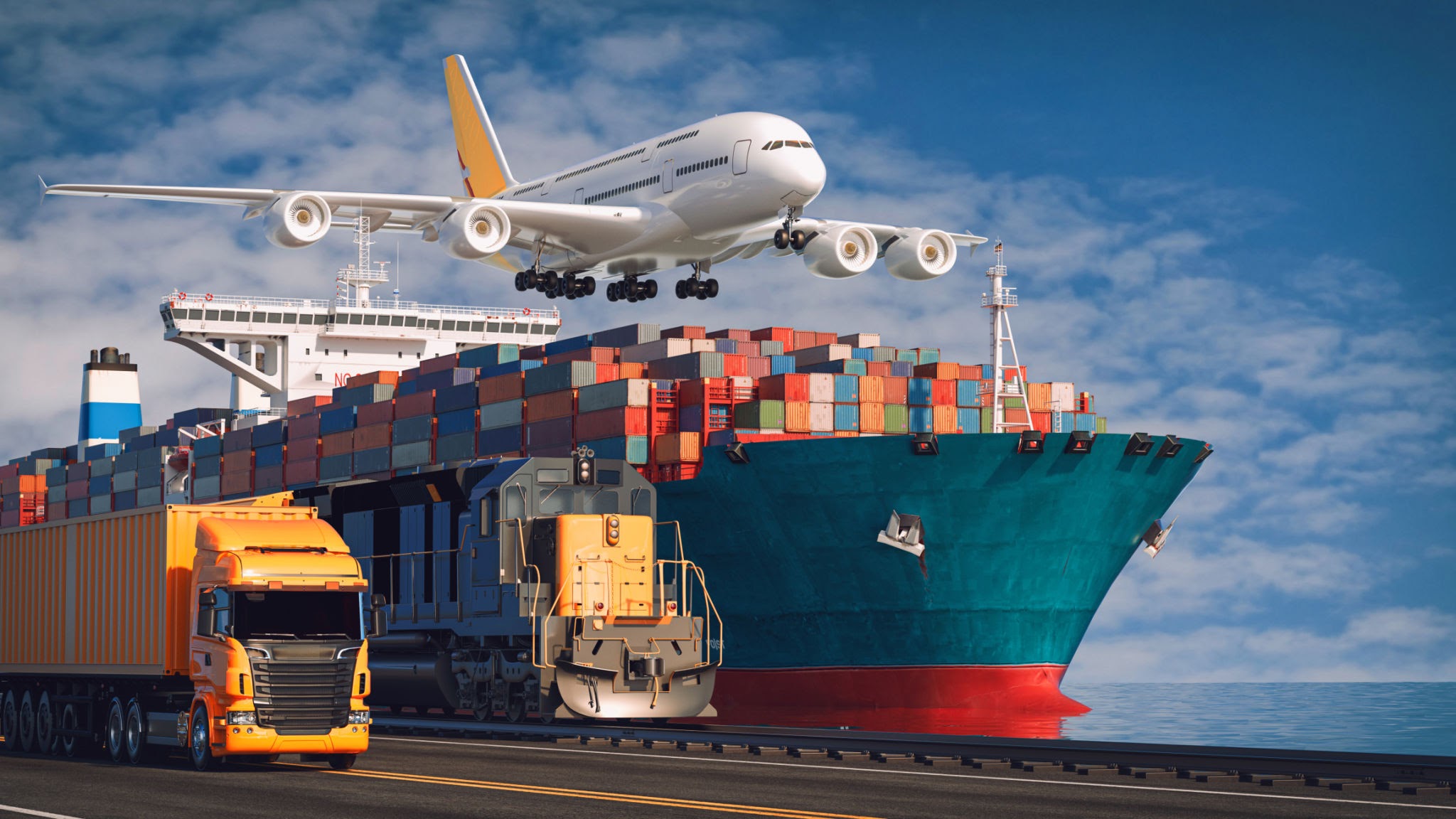
Kenya’s geographic location makes it a vital maritime hub for East and Central Africa. The Port of Mombasa serves as a gateway for regional and international trade. The development of ports, harbors, and related infrastructure is key for facilitating trade and promoting economic growth. The government established the State Department for Maritime and Shipping Affairs to oversee this sector’s development, aiming to optimize its contribution to the national economy.


Expanding port facilities and the development of additional services such as ship repair, maintenance, and supply chain logistics can attract global shipping lines and businesses, generating revenue and creating jobs. By leveraging technology and innovation, Kenya can establish itself as a competitive maritime logistics centre, facilitating economic growth and regional integration.
Kenya’s coastal areas are renowned for their rich cultural heritage and biodiversity, making tourism a key pillar of the blue economy. Tourism can thrive through sustainable practices that conserve marine ecosystems and promote local culture. Developing eco-friendly resorts, marine parks and conservation programs can attract environmentally-conscious travellers while preserving the fragile coastal environment.
Community-based tourism initiatives can offer immersive cultural experiences, benefiting local communities and promoting inclusivity. By marketing Kenya’s coastal attractions like pristine beaches, coral reefs and historical sites globally, the country can position itself as a premier tourist destination.
Investing in Kenya’s blue economy sectors offers a pathway to sustainable economic growth and development. By implementing strategic policies and fostering investments in these areas, Kenya can unlock the full potential of its coastal resources, contributing to national prosperity and improved living standards for its coastal communities.