Sharp Daily
No Result
View All Result
Saturday, January 24, 2026
  • Home
  • News
    • Politics
  • Business
    • Banking
  • Investments
  • Technology
  • Startups
  • Real Estate
  • Features
  • Appointments
  • About Us
    • Meet The Team
Sharp Daily
  • Home
  • News
    • Politics
  • Business
    • Banking
  • Investments
  • Technology
  • Startups
  • Real Estate
  • Features
  • Appointments
  • About Us
    • Meet The Team
No Result
View All Result
Sharp Daily
No Result
View All Result
Home News

Uganda changes fuel supply chain from Kenya, gives state firm direct role

Brian Murimi by Brian Murimi
November 1, 2023
in News
Reading Time: 2 mins read

Uganda’s state-owned oil company will now directly import and supply fuel to domestic retailers under a new law approved by the government, officials announced Monday.

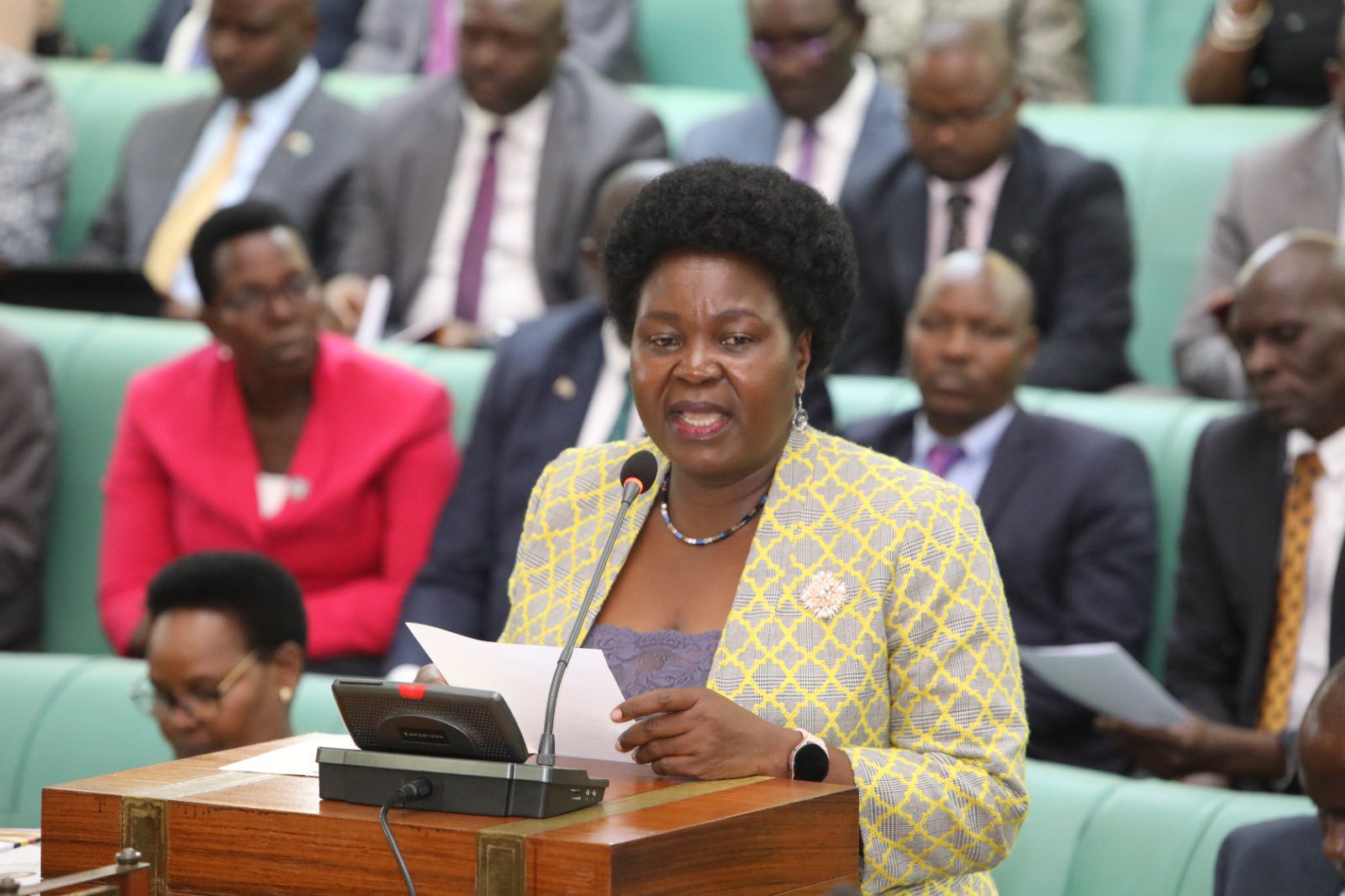
The Uganda National Oil Company (UNOC) has been mandated to take over sourcing and supplying petroleum products to licensed local companies as part of amendments to the nation’s Petroleum Supply Act, Energy Minister Ruth Nankabirwa Ssentamu said in a statement.

The amended law aims to “improve security of supply of petroleum products for the Country” and “contribute to the reduction of the pump prices by eliminating unwarranted transactions in the supply chain,” according to the release.

Currently, over 90% of Uganda’s fuel is imported through Kenya’s port in Mombasa, with Ugandan companies obtaining allocations through affiliated marketers in Kenya. But recent changes to Kenya’s fuel import system led to uncertainties and higher costs for Uganda, the statement said.


RELATEDPOSTS

Kenya’s bond market growth outlook for 2026

January 23, 2026

KRA launches major crackdown on eTIMS invoice fraud – Sh30 billion revenue leak targeted

January 21, 2026

Under the new legislation that still requires parliamentary approval, UNOC will contract directly with global suppliers like Vitol Bahrain E.C., which has agreed to a five-year deal to finance the state company’s operations, ensure competitive pricing, and build additional storage capacity to prevent shortages.

Energy Minister Ssentamu said the shift will boost supply security and provide revenue to finance infrastructure projects in Uganda. She said the government remains in talks with Kenya “for a seamless implementation of the policy change.”

The amendment aims to “contribute to the reduction of the pump prices by eliminating unwarranted transactions in the supply chain,” according to Ssentamu’s statement. Uganda and Kenya both seek greater economic stability for the region.

Vitol, a leading global energy trader, will provide financing and work with UNOC “to ensure competitive pricing of petroleum products,” the release stated. Buffers stocks will also be maintained to prevent supply disruptions.

Ugandan oil marketing companies will continue retail sales under commercial agreements, while UNOC handles importation and supply. Ssentamu said the law change was approved by Uganda’s cabinet last week and will now go before parliament.


Previous Post

Base Resources to cease Kwale mining operations by December 2024

Next Post

Ruto: King Charles’ Kenya tour to deepen bilateral bonds

Brian Murimi

Brian Murimi

Brian Murimi is a journalist with major interests in covering tech, corporates, startups and business news. When he's not writing, you can find him gaming, watching football or sipping a nice cup of tea. Send tips via bireri@thesharpdaily.com

Related Posts

News

Public enterprises in the capital market

January 23, 2026
News

Why Bank Lending Rates Remain Sticky Despite CBK Policy Signals

January 23, 2026
News

The Rising Foreign Ownership of Kenyan Banks: Opportunity, Risk, or Market Maturity?

January 23, 2026
News

Fuel price decline as a hidden stimulus

January 23, 2026
News

Beyond Representation: Are Kenya’s Foreign Missions Engines of Economic Growth?

January 23, 2026
News

Beyond Compliance: Why Money Laundering Is a Development Problem

January 23, 2026

LATEST STORIES

Why the Two-tiered Structure in NSSF is Important

January 23, 2026

Public enterprises in the capital market

January 23, 2026

Why Bank Lending Rates Remain Sticky Despite CBK Policy Signals

January 23, 2026

The Rising Foreign Ownership of Kenyan Banks: Opportunity, Risk, or Market Maturity?

January 23, 2026

Fuel price decline as a hidden stimulus

January 23, 2026

Beyond Representation: Are Kenya’s Foreign Missions Engines of Economic Growth?

January 23, 2026

Beyond Compliance: Why Money Laundering Is a Development Problem

January 23, 2026

LAPSSET: Delayed Vision or Long-Term Bet on Regional Integration?

January 23, 2026
  • About Us
  • Meet The Team
  • Careers
  • Privacy Policy
  • Terms and Conditions
Email us: editor@thesharpdaily.com

Sharp Daily © 2024

No Result
View All Result
  • Home
  • News
    • Politics
  • Business
    • Banking
  • Investments
  • Technology
  • Startups
  • Real Estate
  • Features
  • Appointments
  • About Us
    • Meet The Team

Sharp Daily © 2024