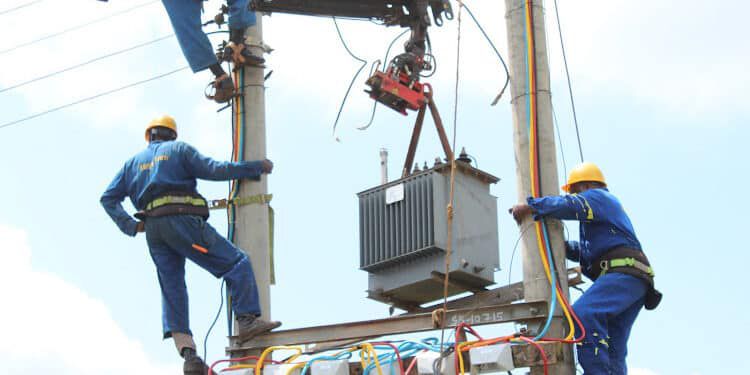


Kenya is currently experiencing an intensified period of load shedding as pressure on the power grid continues to rise due to a combination of aging infrastructure, rising demand, and supply inconsistencies. Many households and businesses across the country have found themselves adjusting to unplanned outages that last anywhere from a few minutes to several hours, creating disruptions that ripple through daily routines, business operations, and public services. The recurring blackouts highlight the challenges facing the country’s energy system, especially at a time when digital activity, manufacturing needs, and residential electricity consumption are higher than ever.
The core of the load shedding problem stems from limited generation capacity at a time when demand is steadily increasing. Hydropower plants, which once supplied a significant portion of the national grid, have been affected by fluctuating water levels and inconsistent rainfall patterns, leading to reduced output. Thermal stations, which act as backups during shortages, face frequent mechanical issues, fuel constraints and slow maintenance cycles. While renewable alternatives like wind and solar have expanded over the years, their integration into the grid is still slower than required to meet growing demand. These challenges have resulted in a system that struggles to balance supply and consumption, especially during peak hours.
The effects of load shedding on ordinary Kenyans are widespread. Families are forced to navigate evenings without lighting, refrigeration, or the ability to prepare meals efficiently. Students who rely on digital learning tools experience interruptions that affect productivity and performance. Small shop owners lose revenue when they cannot operate machinery, process payments, or serve customers consistently. Larger businesses face increased costs from running generators and safeguarding equipment against sudden power surges. Essential services like water pumping and health facilities also experience logistical strain, sometimes disrupting critical operations.
Despite these setbacks, many Kenyans continue to adapt by exploring alternative energy options such as solar home systems, battery storage, and more energy-efficient appliances. However, these solutions often come with upfront costs that not everyone can afford, making strategic financial planning increasingly important during periods of national instability. Building a resilient savings culture becomes a practical way to cushion against unexpected expenses and maintain stability even when external systems falter.
If you want to stay financially prepared during uncertain periods like load shedding, consider securing your savings with the Cytonn Money Market Fund (CMMF). It offers stability, liquidity, and steady growth, helping you build a reliable financial buffer when daily life becomes unpredictable.
📞 Call +254 (0) 709 101 200 or 📧 email sales@cytonn.com to learn more.