Kenya is accelerating the digital transformation of its customs administration as part of wider efforts to improve trade facilitation, reduce cargo clearance delays and strengthen its position as East Africa’s leading logistics hub. As regional and international trade volumes continue to grow, efficient customs systems have become increasingly important in supporting supply chains, reducing business costs and enhancing the movement of goods across borders. By adopting digital trade platforms, the Kenya Revenue Authority (KRA) aims to modernize customs processes, improve transparency and create a more efficient trading environment for importers, exporters and logistics service providers.
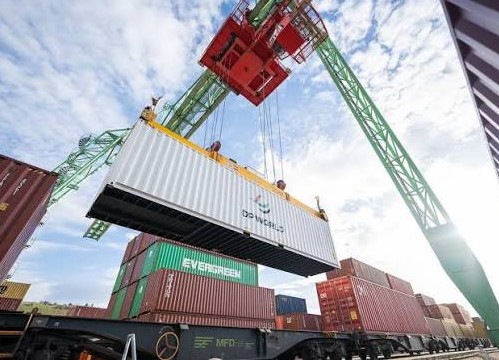
One of the latest initiatives is the rollout of the Advance Cargo Declaration (ACD) platform, which became operational on 3 August 2026 for all containerized cargo destined for Kenya. Under the new framework, exporters are required to obtain an Advance Cargo Declaration reference code before cargo is loaded by submitting key shipping documents, including the draft bill of lading, commercial invoice, freight invoice and export declaration. The system enables customs officials to receive cargo information at least five days before vessels arrive at the Port of Mombasa, allowing document verification, cargo profiling and risk assessments to begin well before shipments reach Kenyan ports.
The Advance Cargo Declaration platform forms part of KRA’s broader customs modernization programme, which also incorporates the Trade Logistics Information Pipeline (TLIP), a blockchain-enabled platform designed to establish a single trusted digital record that can be accessed by authorized participants throughout the supply chain. Instead of submitting the same documentation separately to multiple government agencies such as the Kenya Bureau of Standards (KEBS), Port Health Services, the Agriculture and Food Authority (AFA), shipping lines and customs officials, traders will be able to share verified information electronically through a common platform. This integrated approach is expected to reduce paperwork, eliminate repetitive document submissions and improve the accuracy and integrity of trade documentation through secure digital records.
The reforms are expected to generate significant benefits for businesses involved in international trade. Manufacturers importing machinery, industrial equipment and production inputs are likely to experience faster cargo clearance, reducing delays that can disrupt manufacturing operations. Retailers importing consumer goods may benefit from improved inventory management as shipments move through ports more efficiently, while exporters of agricultural products can expect quicker processing for time-sensitive cargo. Logistics companies are also expected to benefit from improved shipment visibility and more predictable cargo movement, enabling better planning across regional supply chains.


Earlier access to cargo information also strengthens customs administration by allowing authorities to conduct risk assessments before vessels arrive. This enables customs officials to identify high-risk consignments for further inspection while facilitating faster clearance for compliant traders. Such risk-based processing improves border security without unnecessarily delaying legitimate trade, supporting both revenue collection and trade facilitation objectives.
The reforms are particularly important as regional commerce continues to expand under the East African Community (EAC) and the African Continental Free Trade Area (AfCFTA). Efficient customs procedures play a critical role in supporting cross-border trade by reducing administrative costs, minimizing supply chain disruptions and improving the competitiveness of businesses operating across East and Central Africa. KRA has also indicated that the digital reforms complement other modernization initiatives, including the Integrated Customs Management System (iCMS), the eCustoms mobile application and enhanced customs compliance measures aimed at improving service delivery and revenue administration.
Overall, Kenya’s digital customs reforms represent a significant step toward modernizing the country’s trade infrastructure. The introduction of the Advance Cargo Declaration platform, together with blockchain-enabled trade information systems and integrated customs solutions, is expected to improve cargo processing efficiency, strengthen customs oversight and reduce the cost of doing business. As digital trade systems continue to evolve, these reforms are likely to reinforce Kenya’s position as the principal gateway for regional commerce while supporting long-term trade growth and economic development.