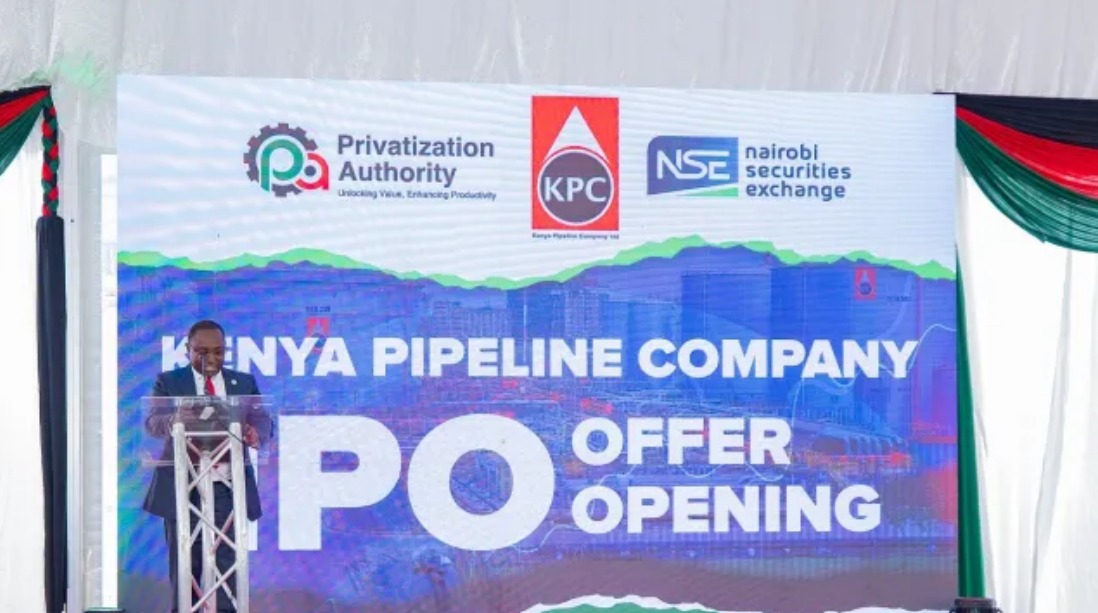
The sale of a majority stake in Kenya Pipeline Company (KPC) was salvaged following last minute negotiations that resulted in Uganda securing formal board representation, easing concerns that had threatened to derail the transaction. The intervention comes as the government seeks to raise Sh106.3 billion from the sale of a 65 percent stake in the strategic energy infrastructure firm.
The IPO, which opened in January, had struggled to gain sufficient traction among investors, with market estimates indicating that less than a quarter of the offer had been subscribed as the initial deadline approached. This shortfall heightened the importance of regional investors, particularly Uganda, whose participation was expected to contribute more than Sh20 billion to the offer.
Talks between Kenyan and Ugandan officials culminated in amendments to KPC’s articles of association, granting Uganda the right to nominate at least two directors to the board, provided it acquires a minimum 20 percent shareholding. The revised governance structure was made public shortly after the government extended the IPO period by three working days, signaling the urgency of securing anchor investors.
The changes do not alter existing shareholder voting rights or introduce new classes of shares, but they expand the list of reserved matters requiring joint approval by board representatives from both Kenya and Uganda. This move reflects KPC’s evolving role as a regional infrastructure asset serving landlocked neighbors, rather than a purely domestic utility.


Uganda’s interest is largely expected to be channeled through National Social Security Fund, which has built a sizeable portfolio of Kenyan assets in recent years, including stakes in Safaricom and several listed banks. Analysts expect the fund to play a pivotal role in supporting the KPC transaction, particularly given subdued participation from local investors.
The IPO requires at least Sh53.1 billion from more than 250 investors for the sale to proceed. Under the offer structure, 15 percent of shares are reserved for oil marketing companies, five percent for employees, and the remainder split equally among local retail, local institutional, East African, and international investors. In the event of undersubscription, unallocated shares will be redistributed, with priority given to Kenyan investors.
Investor caution has been partly driven by differing valuations of KPC and concerns over future capital expenditure plans, including the development of a new pipeline linking Mombasa and Nairobi. The company has also signaled a reduction in its dividend payout ratio to 50 percent, down from historical levels above 90 percent, shifting its appeal more toward long-term growth investors than income-focused buyers.
The KPC transaction is central to the government’s broader divestment strategy as it seeks alternative funding sources amid high debt servicing costs and limited fiscal space. Alongside the pipeline sale, the State is also pursuing a reduction of its stake in Safaricom through a separate transaction with Vodacom.
As the IPO enters its final phase, its outcome will test investor confidence in large-scale privatizations and Kenya’s ability to attract regional capital into strategic assets. For investors, the episode underscores the importance of balancing long-term opportunities with liquidity and flexibility during periods of market uncertainty.
As large-scale investment opportunities reshape the market, maintaining a flexible and liquid savings strategy is essential. Consider growing your savings with the Cytonn Money Market Fund (CMMF) a transparent, liquid investment option designed to help you earn steady returns while keeping your funds accessible.
📞 Call +254 (0) 709 101 200
📧 Email sales@cytonn.com to learn more.