The landscape of television consumption in Kenya is undergoing a significant transformation, driven by the rapid adoption of over-the-top (OTT) services and the digital amalgamation of TV brands. This shift poses both challenges and opportunities for traditional pay TV providers like DStv, GOtv and StarTimes.
Kenya’s shift towards digital broadcasting has opened avenues for new entrants and intensified competition. The Africa Digital Network (ADN) consortium, comprising major media houses such as Royal Media Services, Nation Media Group, and Standard Group, has introduced free-to-view TV and streaming on platforms like YouTube. This convergence offers consumers a bundled package, enhancing accessibility and affordability. Such initiatives leverage digital platforms to provide diverse content, challenging traditional Pay-TV models.
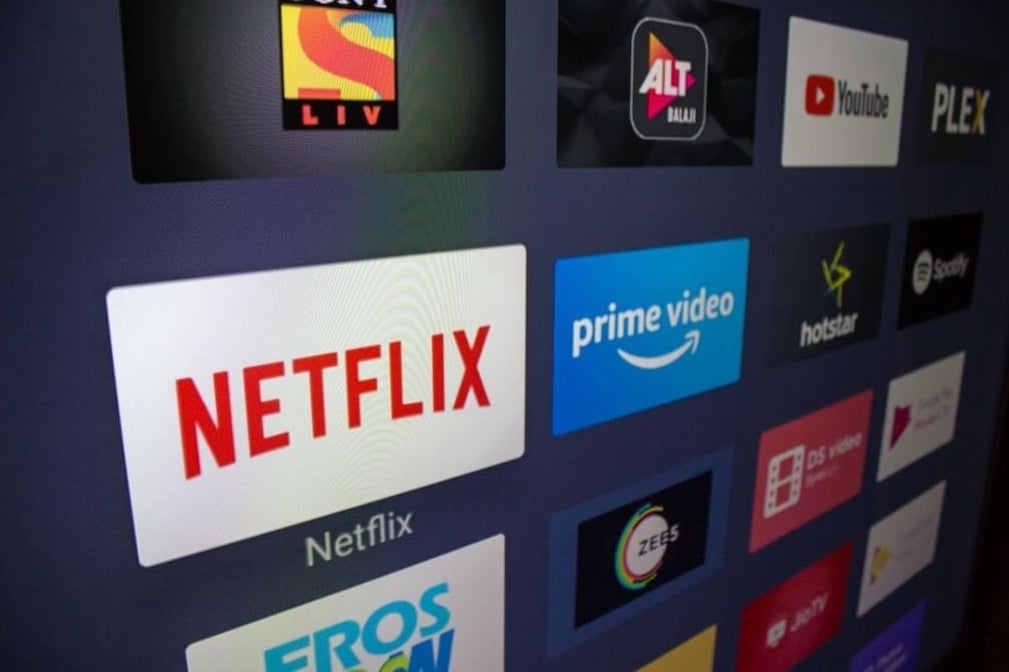
The increasing popularity of OTT services like Netflix, Hulu and Amazon Prime Video has significantly influenced viewing habits in Kenya. These platforms offer on-demand content, granting viewers the flexibility to watch programs at their convenience. The appeal of diverse content libraries, including original productions, has attracted a substantial subscriber base. This shift is evident in the slowing growth of Pay-TV subscriptions.
Economic challenges have further compounded the difficulties for Pay-TV providers. MultiChoice Kenya, which owns DSTV and GO tv, reported a 19.0% decline in subscribers as of September 2024. Factors such as currency fluctuations, inflationary pressures, particularly in Nigeria, and increased competition from free-to-air alternatives and streaming services have contributed to this downturn. To mitigate these challenges, MultiChoice has implemented strategies like investing in local content and exploring value-added services, including broadband Internet and mobile offerings. To optimize profits following the decrease in subscribers, Multichoice increased their prices by up to KES 500.0 from November 1, 2024.

To remain relevant, traditional Pay-TV providers must innovate and adapt to the changing landscape. Investing in high-quality local content can differentiate their offerings and cater to regional preferences. Embracing digital platforms to provide on-demand services and integrating Internet-based solutions can enhance user experience. Collaborations and strategic partnerships with OTT platforms may also offer avenues for diversification and resilience.
The convergence of technological advancements and the rise of OTT platforms have undeniably disrupted the traditional Pay-TV sector in Kenya. While challenges persist, opportunities for innovation and adaptation abound. Providers that proactively evolve with consumer preferences and technological trends are more likely to thrive in this dynamic environment.