Sharp Daily
No Result
View All Result
Monday, June 15, 2026
  • Home
  • News
    • Politics
  • Business
    • Banking
  • Investments
  • Technology
  • Startups
  • Real Estate
  • Features
  • Appointments
  • About Us
    • Meet The Team
Sharp Daily
  • Home
  • News
    • Politics
  • Business
    • Banking
  • Investments
  • Technology
  • Startups
  • Real Estate
  • Features
  • Appointments
  • About Us
    • Meet The Team
No Result
View All Result
Sharp Daily
No Result
View All Result
Home News

Treasury under fire for KES 16.3 billion loan to Kenya Airways without recovery plan

Brian Murimi by Brian Murimi
December 19, 2023
in News
Reading Time: 1 min read

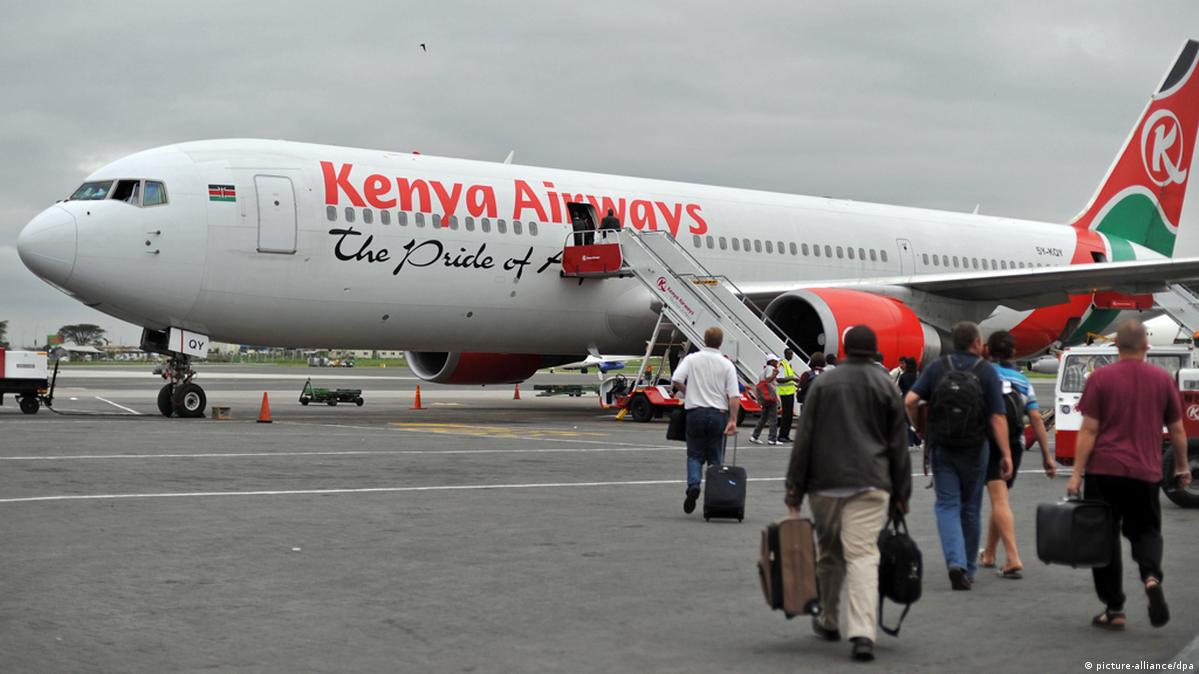
Kenya’s auditor general, Nancy Gathungu, disclosed in a report made public on Tuesday that the government allocated KES 16.3 billion to Kenya Airways as a shareholder loan.

Shockingly, there was no signed loan agreement or established mechanisms to recover the funds, raising concerns about the lack of proper oversight by the National Treasury.

Gathungu’s report highlighted that the struggling national airline received the funds over two years without the necessary shareholder loan agreement in place. The National Treasury, responsible for managing public funds, was faulted for releasing money without ensuring an effective mechanism for recovery.

“The shareholder loan agreement had not been signed by the Government and Kenya Airways as at the time of disbursing the funds,” the report emphasized. Gathungu underscored the failure of the National Treasury in its fiduciary role, putting taxpayer money, withdrawn under a special constitutional provision, at “high risk.”


RELATEDPOSTS

Kilavuka exit sparks sh131m debate

May 25, 2026

Kenya Airways and Rubis Energy sign deal to build Africa’s first sustainable aviation fuel refinery in Nairobi

May 13, 2026

The auditor general urged the National Treasury to formalize all loan agreements before releasing funds, stating, “This lapse should be addressed immediately by both parties before further loss of public funds through avoidable interest costs and exchange losses.”

The audit report delivered a damning assessment of Kenya’s government, assigning a failing grade to budget oversight. It pointed out poor planning and transparency issues in government spending, particularly under the constitutional Article 223, where expenditures lawfully bypass normal budget channels.

Expenditures under Article 223 skyrocketed by 13,299% over the past decade, reaching KES 147.39 billion in the most recent budget year. Gathungu recommended that the government issue clearer guidelines on triggers for spending under Article 223 to prevent loopholes and safeguard public resources.

The special audit covered government spending over the past nine years and also highlighted wasteful use of public funds in subsidies that failed to achieve their intended purpose, as well as challenges in relief food distribution.


Previous Post

Treasury spent KES 12.5 billion on dubious share acquisitions, audit reveals

Next Post

AI camera, a possible solution to Kenya’s garbage problem

Brian Murimi

Brian Murimi

Brian Murimi is a communications and advocacy professional with a focus on innovation, policy and continental development in Africa. A former journalist, he now works at the intersection of knowledge, strategy, and pan-African institution building.

Related Posts

News

June 12, 2026
News

Where Fintech Companies Actually Make Their Real Profits: Beyond Payments and Transaction Fees

June 12, 2026
News

Why Revenue Growth in Fintech Can Be Misleading: The Hidden Economics Behind Digital Payments

June 12, 2026
News

Finance bill 2026: key tax reforms and economic impact in kenya

June 12, 2026
News

INVISIBLE TRANSACTIONS: THE FUTURE OF PAYMENTS

June 12, 2026
News

Kenya’s Growing Reliance on Domestic Borrowing: Opportunity or Crowding-Out Risk?

June 12, 2026

LATEST STORIES

June 12, 2026

Where Fintech Companies Actually Make Their Real Profits: Beyond Payments and Transaction Fees

June 12, 2026

Why Revenue Growth in Fintech Can Be Misleading: The Hidden Economics Behind Digital Payments

June 12, 2026

Finance bill 2026: key tax reforms and economic impact in kenya

June 12, 2026

INVISIBLE TRANSACTIONS: THE FUTURE OF PAYMENTS

June 12, 2026

Kenya’s Growing Reliance on Domestic Borrowing: Opportunity or Crowding-Out Risk?

June 12, 2026

Family Bank’s NSE Listing: A Long-Overdue Milestone for Kenya’s Capital Markets

June 12, 2026

Kenya’s Small Banks Given Until 2032 to Meet Kshs 10 Billion Core Capital Requirement

June 12, 2026
  • About Us
  • Meet The Team
  • Careers
  • Privacy Policy
  • Terms and Conditions
Email us: editor@thesharpdaily.com

Sharp Daily © 2024

No Result
View All Result
  • Home
  • News
    • Politics
  • Business
    • Banking
  • Investments
  • Technology
  • Startups
  • Real Estate
  • Features
  • Appointments
  • About Us
    • Meet The Team

Sharp Daily © 2024