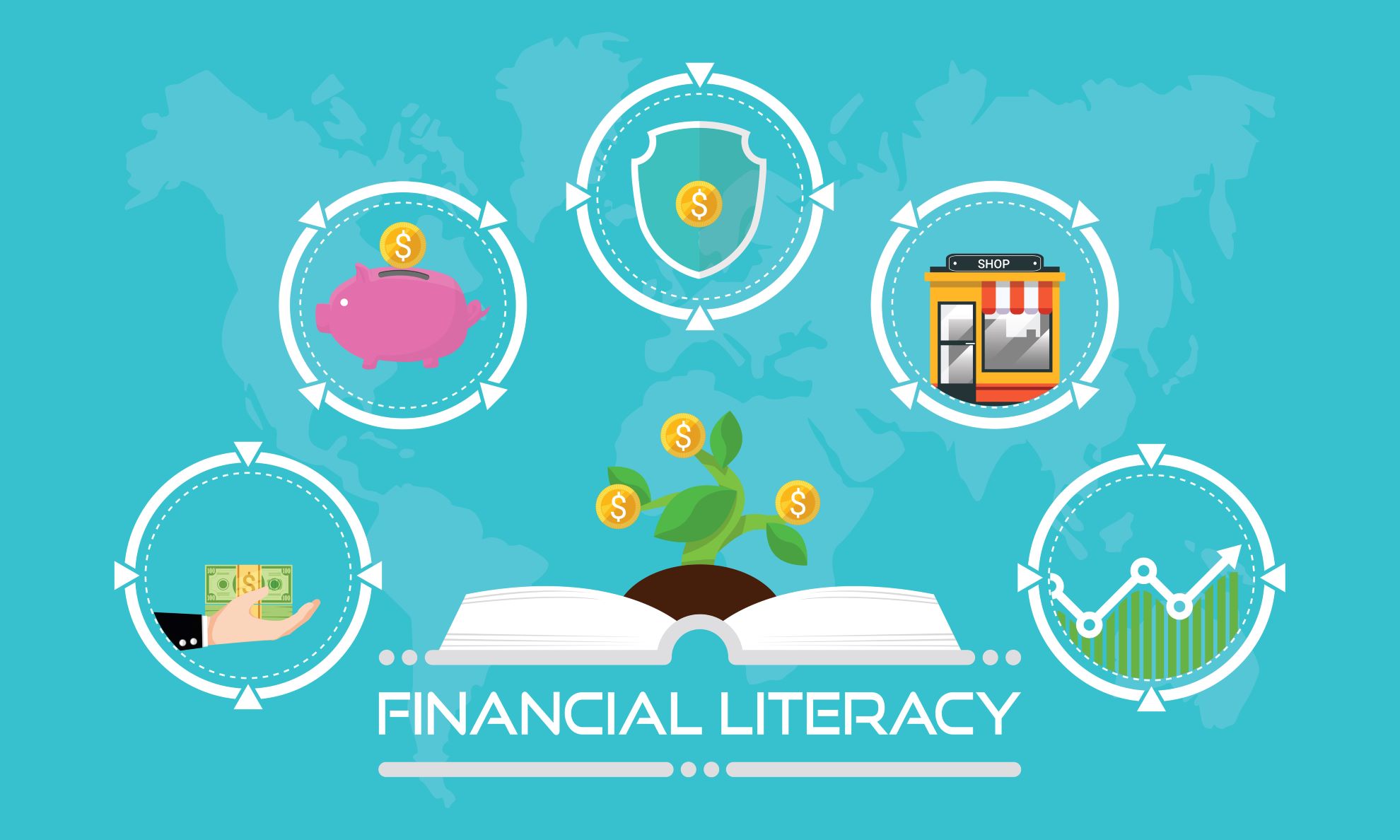
Financial literacy is widely regarded as an important component of effective participation in modern economic systems. It encompasses more than numerical skills, extending to the ability to interpret financial information, evaluate risk, and make informed decisions over time. As economic environments become more complex, financial literacy provides a framework for understanding choices and their potential long-term implications.
At the individual level, financial literacy supports structured approaches to budgeting, saving, and financial planning. A basic understanding of financial concepts allows individuals to manage income variability, assess borrowing options, and plan for future obligations. This knowledge can influence how people approach financial commitments and respond to unexpected expenses. Greater familiarity with financial processes may also contribute to increased confidence when engaging with financial institutions and services.
Financial literacy also has implications beyond individual decision-making. From an institutional perspective, financially informed participants contribute to more transparent and responsive market environments. Consumers who are able to compare financial products, understand terms, and assess risk encourage clearer communication and accountability. This interaction between informed participants and financial providers can support more stable and predictable market dynamics over time.
Resilience is another dimension closely associated with financial literacy. Economic conditions are subject to change due to shifts in markets, employment patterns, or broader economic events. Individuals with a stronger understanding of financial principles may be better positioned to reassess priorities, adjust financial strategies, and respond to uncertainty. This adaptability can support continuity in decision-making during periods of transition or disruption.

Financial literacy is not a fixed or static attribute. As financial systems evolve, the knowledge required to navigate them also changes. The increasing use of digital platforms, the emergence of new financial instruments, and evolving regulatory environments all require ongoing learning. Continued engagement with financial education supports informed participation and may reduce exposure to misunderstanding or poorly informed decisions.
In the long term, financial literacy is often viewed as a contributing factor to broader economic stability. By supporting more deliberate and informed behaviour across households, businesses, and institutions, financial literacy can influence how financial risks are managed and how resources are allocated. While it does not remove uncertainty or eliminate risk, financial literacy provides tools that assist individuals and organizations in navigating complexity and aligning financial decisions with long-term objectives.