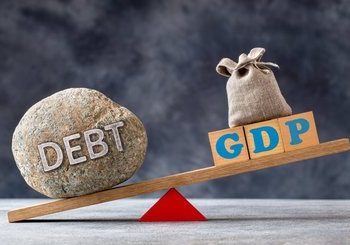
Economic growth is often viewed as a primary indicator of progress and prosperity. Rising output, expanding markets, and increasing investment can signal economic momentum and opportunity. However, financial stability provides the structural foundation that allows growth to be sustained over time. Without stability, periods of rapid expansion may introduce vulnerabilities that undermine long-term development and economic confidence.
Financial stability creates an environment in which individuals, businesses, and institutions can make decisions with greater predictability. When financial systems operate consistently and transparently, households are better positioned to plan savings, manage expenses, and prepare for future needs. Businesses benefit from clearer expectations, allowing them to commit resources to investment, employment, and innovation. Governments also rely on stable financial conditions to allocate public resources, manage fiscal obligations, and respond to economic challenges more effectively.
Rapid economic growth can sometimes obscure underlying imbalances within financial systems. Accelerated expansion may be accompanied by increased risk-taking, uneven credit growth, or insufficient oversight. These conditions can contribute to short-term gains while simultaneously increasing exposure to volatility. When economic conditions shift, such imbalances may become more visible, leading to disruptions that offset earlier progress. As a result, growth that lacks a stable foundation may prove difficult to sustain.
Stable financial systems are generally associated with measured risk management, adequate safeguards, and transparent operations. These characteristics support the capacity to absorb shocks and adapt to changing economic circumstances. Rather than experiencing abrupt corrections, stable systems may adjust more gradually, reducing the likelihood of widespread disruption. This resilience can help maintain continuity in financial activity during periods of uncertainty.


Financial stability also influences confidence across the economy. When financial institutions and markets are perceived as reliable, trust tends to strengthen among participants. This trust supports broader engagement, including saving, investment, and long-term planning. A stable financial environment can therefore contribute to cooperative behaviour and sustained participation by households and businesses alike.
While economic growth remains an important objective, its benefits are most durable when supported by stability. Stability does not prevent innovation or expansion; instead, it provides a framework within which growth can occur more responsibly. A balanced approach that values stability alongside growth recognises that steady progress, even when gradual, may offer more consistent and resilient outcomes than rapid expansion driven primarily by short-term incentives.
In conclusion, financial stability plays a critical role in supporting sustainable economic development. By reducing uncertainty, strengthening resilience, and fostering trust, stability provides the conditions necessary for growth that endures over time rather than fluctuates with economic cycles. (Start your investment journey today with the cytonn MMF, call+2540709101200 or email sales@cytonn.com)