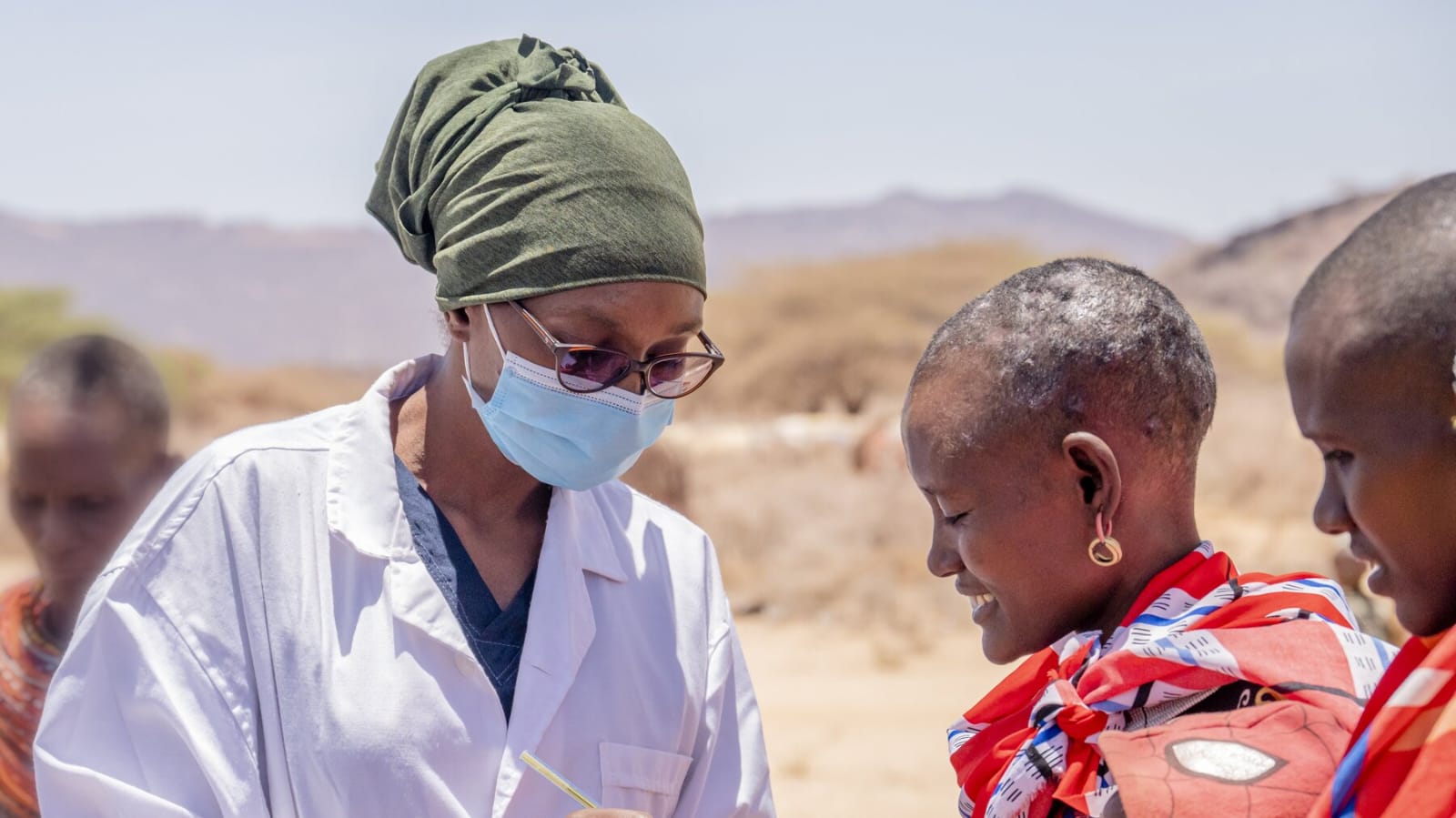
The health of a nation is fundamentally an economic issue, and in Kenya, the state of the health economy reveals a system at a critical crossroads. It is a landscape defined by competing pressures: the urgent need to combat both infectious and chronic diseases, the challenge of funding equitable care, and the innovative spirit striving to bridge deep systemic gaps. How Kenya manages this complex ecosystem encompassing everything from government budgets, Kshs 138.1 bn, and household spending to private hospitals and tech startups will directly determine its future productivity and social stability.
A primary driver of cost is the persistent double burden of disease. The public system continues to allocate significant resources to long-standing battles against HIV/AIDS, Tuberculosis, and Malaria. Simultaneously, it faces a rapid and expensive surge in non-communicable diseases (NCDs) like cancer, diabetes, and hypertension, which require costly diagnostics, lifelong medication, and specialized care. This dual demand stretches infrastructure and budgets thin, forcing difficult triage decisions between prevention and treatment, and between different patient groups.
Financing this burden remains the system’s most pressing dilemma. Despite commitments to universal health coverage (UHC), government spending on health per capita (Government domestic health spending % Health Spending (GGHE-D%CHE)) is low although 1.1% points increase to 44.9% in 2023 from 46.0% in 2019, often falling short of international benchmarks. This chronic public under-investment shifts the financial weight directly onto citizens. Out-of-pocket expenditures constitute a staggering portion of total health spending stands at Out-Of-Pocket Spending (OOPS) % of Current Health Expenditure 24.2%, with millions of families facing financial catastrophe each year when a member falls ill. A single major health incident can deplete savings, force the sale of assets, and plunge households into lasting poverty, undermining broader economic development goals.
In response to the public system’s limitations, a vigorous private health sector has expanded, creating a two-tier reality. From high-end Nairobi hospitals to local clinics and pharmacies, private providers offer choice and often faster access, but at a price. This market-driven expansion fragments care, prioritizes profitable services in urban centers, and can inflate overall costs, leaving lower-income Kenyans with poor-quality public options or no care at all. The pivotal institution tasked with bridging this divide is the Social Health Authority (SHA). Its ongoing transformation into a more robust, mandatory, and comprehensive social health insurer is the cornerstone of Kenya’s UHC ambitions, aiming to pool national risk and sever the direct link between illness and financial ruin.

Amid these challenges, the most dynamic force is homegrown innovation. Leveraging Kenya’s tech-savvy population, entrepreneurs are building solutions to leapfrog systemic inefficiencies. Telemedicine platforms connect patients in remote areas to doctors via mobile phones. Start-ups are streamlining medical supply chains with smart logistics. Perhaps most transformative are digital financial products that allow for micro-insurance and bundled health savings plans, making coverage affordable for informal workers. This innovation sector not only addresses gaps in care but also represents a growing source of employment and investment within the health economy itself.
The path forward requires integrated solutions. Success hinges on increased and smarter public investment in primary care as a cost-effective foundation. It demands strategic regulation that encourages private sector growth while ensuring equity and quality. It relies on fully empowering the reformed SHA to act as a strategic purchaser of services, driving efficiency. Ultimately, a sustainable health economy in Kenya will be one where health is no longer a leading cause of poverty but a recognized driver of human capital and national economic resilience. The goal must be to build a system where a family’s financial security is protected by the very same system that protects their health. To start building your own financial security, begin your investment journey with the Cytonn Money Market Fund. Call +254 (0)709 101 200 or email sales@cytonn.com.