Sharp Daily
No Result
View All Result
Friday, December 12, 2025
  • Home
  • News
    • Politics
  • Business
    • Banking
  • Investments
  • Technology
  • Startups
  • Real Estate
  • Features
  • Appointments
  • About Us
    • Meet The Team
Sharp Daily
  • Home
  • News
    • Politics
  • Business
    • Banking
  • Investments
  • Technology
  • Startups
  • Real Estate
  • Features
  • Appointments
  • About Us
    • Meet The Team
No Result
View All Result
Sharp Daily
No Result
View All Result
Home News

New net-metering regulations cap solar eligibility at 10kW

Teresiah Ngio by Teresiah Ngio
August 5, 2024
in News
Reading Time: 2 mins read
Solar Power

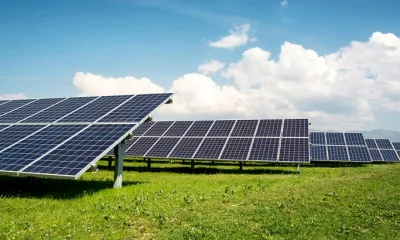
Households and businesses with solar power installations exceeding 10 kilowatts (kW) have been excluded from a special scheme that allows consumers to supply excess electricity to the national grid and receive compensation.

The Energy and Petroleum Regulatory Authority (Epra) announced that only those producing less than 10kW of solar power would be eligible for the net-metering system.

The final regulations, outlined in the Energy Act (Net Metering) Regulations, 2024, state that domestic customers with single-phase supply can have up to 4kW installed capacity, while those with three-phase supply can have up to 10kW.

“4kW is for single phase, while 10kW is for three phase. This is the typical demand of such customers, based on the RIA study findings,” explained Epra Director-General Daniel Kiptoo.


RELATEDPOSTS

Kenya power technicians install a transformer at Ibutuka Village in Mbeere North in Embu County (Murithi Mugo, Standard)

Kenya government confirms nationwide electricity rationing amid supply shortfalls

November 6, 2025

EPRA’s fuel price hike will deepen Kenyans’ pain amid rising cost of living

March 14, 2025

Industrial and commercial customers have a higher cap, limited to 1 megawatt (MW). The regulations specify that the installed capacity for these customers “shall be capped at the maximum load demand in kW achieved in the 12 months preceding the application for net metering.”

The net-metering scheme allows customers generating excess solar power to receive credits instead of payments for electricity supplied to the grid. These credits are valued at half the rate that Kenya Power charges its customers. For instance, if Kenya Power sells a unit of electricity for Sh32, net metering customers will receive a credit of Sh16 per unit supplied.

Credits can offset future electricity bills during months when consumption exceeds production. However, unused credits will expire at the end of Kenya Power’s financial year on June 30.

The government has capped the total licensed capacity for net metering at 100MW, which is only three percent of Kenya’s total installed power capacity of 3,321MW as of last year. This limitation aims to protect Kenya Power from significant revenue losses.

Insiders reveal that the 10kW cap is a measure to limit Kenya Power’s exposure. “The net metering regulations were put on hold for years amid fears that they would sound a death knell for Kenya Power by accelerating the shift to own-source power generation,” sources noted.

Despite these limitations, net metering offers several benefits, including reducing strain on distribution systems and preventing losses in long-distance electricity transmission. It has become popular globally for allowing utilities to manage peak electricity loads more effectively.

Previous Post

Al-Shabaab attack on Mogadishu beach leaves 37 dead

Next Post

Kenya’s DPP under scrutiny as graft cases dropped en masse

Teresiah Ngio

Teresiah Ngio

Related Posts

News

Behavioral finance: Emotions that move the market

December 12, 2025
News

The rise of financial therapy and money coaches

December 12, 2025
News

Role of financial inclusion in reshaping investments market

December 11, 2025
News

How investment clubs(chamas) support wealth building

December 11, 2025
News

Cedarwood hotels placed under KCB management in rescue effort

December 11, 2025
News

Kenya grants Gulf Energy incentives, tax exemptions to hasten Turkana oil plan

December 11, 2025

LATEST STORIES

Behavioral finance: Emotions that move the market

December 12, 2025

The rise of financial therapy and money coaches

December 12, 2025

Role of financial inclusion in reshaping investments market

December 11, 2025

How investment clubs(chamas) support wealth building

December 11, 2025

Financial literacy for retirement

December 11, 2025

Post-Retirement Medical Funds in Kenya

December 11, 2025

Kenya T-Bill yields drop after CBK interest rate cut

December 11, 2025

How state aid is hurting Kenya’s private sector

December 11, 2025
  • About Us
  • Meet The Team
  • Careers
  • Privacy Policy
  • Terms and Conditions
Email us: editor@thesharpdaily.com

Sharp Daily © 2024

No Result
View All Result
  • Home
  • News
    • Politics
  • Business
    • Banking
  • Investments
  • Technology
  • Startups
  • Real Estate
  • Features
  • Appointments
  • About Us
    • Meet The Team

Sharp Daily © 2024