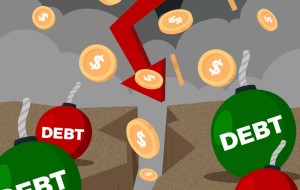


Kenya’s public debt has now crossed the KSh 12 trillion mark, signaling growing fiscal pressure on the economy and raising concerns among policymakers, investors, and citizens. The increase has largely been driven by sustained government borrowing, particularly from the domestic market, as the country seeks to finance budget deficits and ongoing development projects.Domestic borrowing has become a preferred option for the government in recent months due to tighter global financial conditions and the high cost of external loans. While this strategy reduces exposure to foreign exchange risks, it introduces new challenges within the local economy. One of the most significant concerns is the potential crowding out of private sector borrowers.
When the government borrows heavily from local banks and financial institutions, it competes directly with businesses for available credit. This often leads to higher interest rates, making it more expensive for companies to access loans for expansion, operations, or innovation. Small and medium-sized enterprises (SMEs), which are critical drivers of job creation in Kenya, are particularly vulnerable to these constraints. Reduced access to affordable credit could slow business growth and, in turn, limit overall economic expansion.In addition to credit market pressures, rising public debt has implications for taxation and government spending. As debt levels increase, so do the costs of servicing that debt—meaning a larger portion of government revenue is allocated to interest payments rather than development initiatives such as infrastructure, healthcare, and education. To meet these obligations, the government may be forced to introduce new taxes or increase existing ones, placing additional financial strain on individuals and businesses.
Alternatively, the government could opt to reduce public spending in key sectors, which may impact service delivery and long-term development goals. This balancing act between managing debt and sustaining economic growth presents a significant policy challenge.Despite these concerns, it is important to note that borrowing is not inherently negative if funds are invested in productive sectors that generate returns over time. Investments in infrastructure, energy, and technology can stimulate economic activity and improve revenue generation in the long run. However, the effectiveness of such investments depends on efficient utilization and strong governance.As Kenya navigates its rising debt levels, the focus will increasingly shift toward fiscal discipline, improved revenue collection, and strategic investment. Managing public debt sustainably will be critical to ensuring economic stability and protecting future growth prospects.