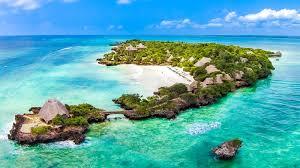
Kenya’s coastline faces a convergence of economic and environmental pressures that threaten long-term growth. Rapid urbanization, weak waste management systems, declining fish stocks and climate-related risks have strained coastal ecosystems while undermining livelihoods in fishing, tourism and logistics. Traditionally, these challenges have been treated as public-sector responsibilities. However, recent developments show a growing shift towards private-sector–led solutions supported by international climate finance.
A key constraint along the coast has been inadequate infrastructure, particularly in waste treatment and sanitation. Untreated sewage, plastic waste and industrial runoff have increased pollution levels, affecting water quality and economic activity. Rather than relying solely on government spending, private firms are now being positioned to design, build and operate waste management and treatment facilities. By applying commercial discipline, technology and performance-based models, these firms offer scalable solutions that public agencies often struggle to deliver efficiently.
Sustainable fisheries are another area where private capital is being deployed to address long-standing structural problems. Over-fishing, weak enforcement and informal supply chains have reduced fish stocks and incomes for small-scale fishermen. New business models are emerging that combine cold-chain logistics, traceability systems and responsible harvesting standards. These investments improve efficiency, reduce post-harvest losses and allow fishers to access higher-value markets, while easing pressure on marine resources.
What makes this approach different is the use of blended finance structures. Concessional funding from development partners is being used to de-risk early-stage investments, allowing private capital to enter sectors previously viewed as too risky or low-return. This crowding-in effect is critical for coastal counties that face fiscal constraints and rising service delivery demands. By sharing risk, climate finance enables commercially viable projects that also deliver environmental and social benefits.
Importantly, these private-sector interventions are closely linked to livelihoods. Coastal economies depend heavily on fishing, tourism and small-scale trade, all of which are vulnerable to environmental degradation. Investments in waste management, clean energy and sustainable food systems create jobs while strengthening the economic base of coastal communities. This aligns environmental protection with income generation, reducing the trade-off between conservation and development.
However, private capital alone is not a silver bullet. Effective regulation, clear policy signals and coordination between national and county governments remain essential. Investors require predictable rules, transparent licensing processes and enforceable environmental standards. Without this, projects risk stalling or failing to deliver long-term impact.
Kenya’s experience along the coast highlights a broader lesson for climate-vulnerable regions. Complex development challenges increasingly require market-based solutions supported by smart public policy. By leveraging private-sector expertise and international climate finance, the country is testing new ways to address pollution, resource depletion and economic vulnerability simultaneously. If scaled effectively, these models could redefine how coastal development is financed, not just in Kenya, but across emerging markets.