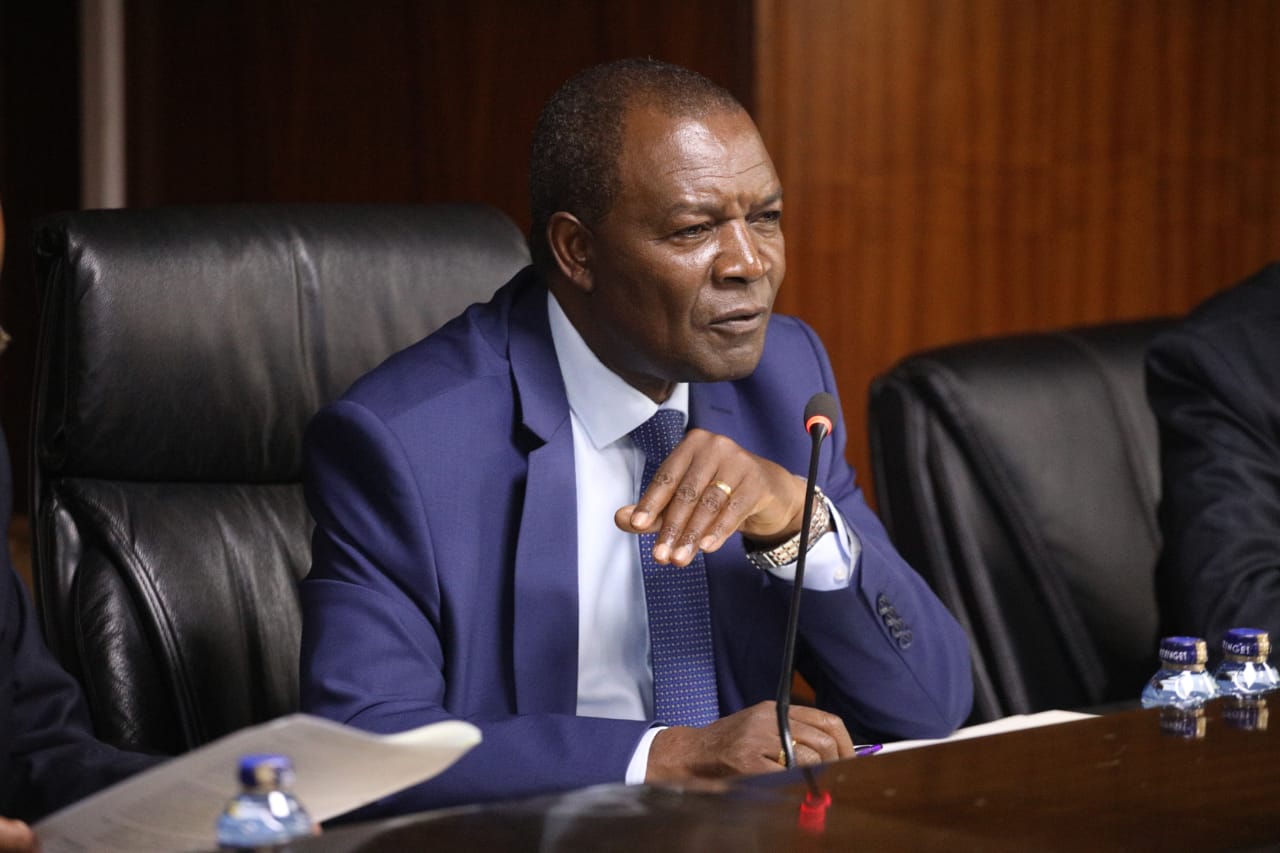
Cabinet Secretary for the National Treasury Njuguna Ndung’u refuted allegations on Friday that the government admitted failure in a government-to-government (G to G) oil import arrangement, citing a misinterpretation of a recent International Monetary Fund (IMF) report.
In a strongly worded statement, Ndung’u condemned “in the strongest possible terms the misreporting and deliberate misinterpretation of the text within the IMF report.” He explained that the report specifically addressed the anticipated increase in rollover risk associated with private sector financing facilities supporting the arrangement, a foreseeable outcome given the dynamics of such financial structures.
“The suggestion that the government’s exit is a noteworthy development is unfounded, as it aligns with the pre-established timeline and objectives of the initiative,” Ndung’u said.
The G to G arrangement was implemented in early 2023 as a temporary measure to stabilize the market and alleviate foreign exchange pressures during a period of U.S. dollar liquidity problems, according to the statement.

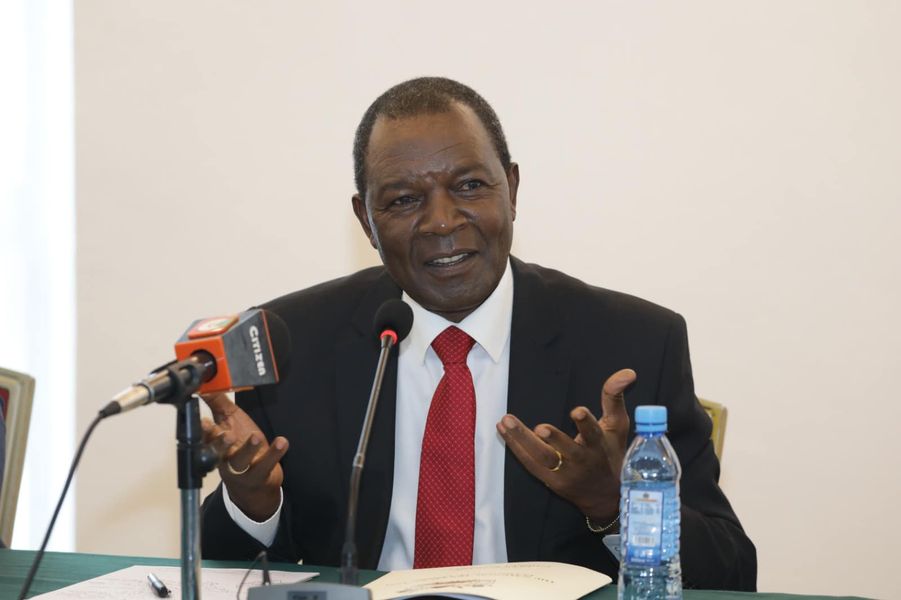
Ndung’u asserted that the arrangement has provided immense economic benefits, including clearing a $500 million backlog of swaps, ensuring continuity of petroleum supply, and removing market speculation that was further depreciating the Kenyan shilling.
“The depreciation of the Kenya Shilling as witnessed in the recent past is as a result of market fundamentals and not driven by the G to G arrangement,” he said.
The deal was initially planned for nine months but recently extended by another 12 months to December 2024 after evaluating the macroeconomic environment.
“This will perfect the process of G to G further,” Ndung’u said.
He reaffirmed the government’s full support for the arrangement until current contract obligations are extinguished.
The statement comes after recent media reports suggested the government arrangement was failing based on language in an IMF report.
Ndung’u expressed concern over the media coverage, saying “it is quite disturbing that an article written for the business community in Kenya and the region could misrepresent facts and make obvious mistakes to this extent creating uncertainty and panic to many key stakeholders across the globe.”
The National Treasury implemented the deal in 2023 as global supply constraints threatened to halt Kenya’s economy. At the time, the petroleum sector’s monthly demand for dollars was straining Kenya’s foreign reserves.
Ndung’u said the government’s eventual exit was always part of the strategic plan.
Since the deal began, he said none of Kenya’s 136 oil marketing companies have sourced dollars from the market, removing speculation and further slowing the shilling’s slide. The interbank foreign exchange market also restarted.
Ndung’u said the arrangement brought supply security, with no stockouts seen since its inception. He cited an oversight framework guiding investment and currency conversion protocols to mitigate financial risks.