Sharp Daily
No Result
View All Result
Sunday, June 28, 2026
  • Home
  • News
    • Politics
  • Business
    • Banking
  • Investments
  • Technology
  • Startups
  • Real Estate
  • Features
  • Appointments
  • About Us
    • Meet The Team
Sharp Daily
  • Home
  • News
    • Politics
  • Business
    • Banking
  • Investments
  • Technology
  • Startups
  • Real Estate
  • Features
  • Appointments
  • About Us
    • Meet The Team
No Result
View All Result
Sharp Daily
No Result
View All Result
Home News

A structural reconfiguration of Kenya’s infrastructure financing

Susan by Susan
February 25, 2026
in News
Reading Time: 2 mins read

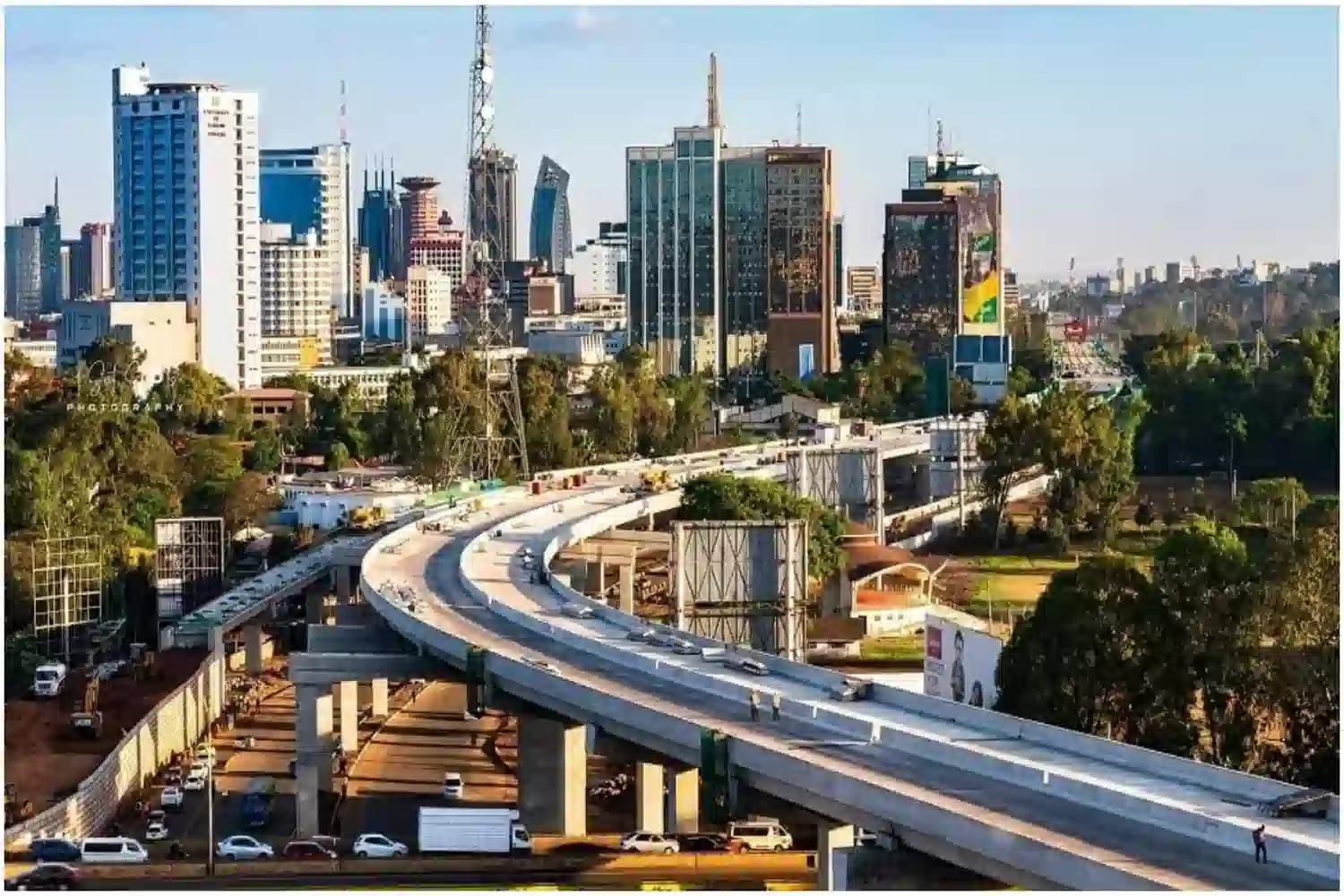
The National Infrastructure Fund Bill, 2025 seeks to establish a statutory framework for the creation and operation of a National Infrastructure Fund. Its primary objective is to mobilize, manage and deploy long term capital for infrastructure development. By institutionalizing infrastructure financing within a legally recognized structure, the Bill attempts to transition from fragmented, project by project funding toward a consolidated national investment mechanism. It also marks the second major legislative intervention under the current administration to directly impact the real estate sector after the Affordable Housing Act of 2023.

The Bill establishes the Fund as a body corporate with perpetual succession, capable of acquiring property, entering contracts and instituting or defending legal proceedings. This corporate personality grants operational continuity and legal autonomy. However, substantive independence will depend on the appointment mechanisms and oversight architecture embedded in the law. While the creation of a Board introduces a governance framework, executive influence over appointments and removals may determine whether the Fund operates as an independent financial institution or functions as an extension of central authority.

The financial architecture is deliberately diversified. Funding sources include government appropriations, bond issuances, external financing arrangements, investment returns and private sector participation. Such a structure aligns with contemporary development finance principles, particularly the objective of leveraging public capital to crowd in private investment. Nevertheless, the Bill appears to leave certain fiscal risk safeguards insufficiently defined. Without explicit borrowing ceilings, guarantee limits or prudential ratios, contingent liabilities may accumulate beyond traditional budgetary scrutiny, raising legitimate concerns about fiscal transparency and macroeconomic stability.

The Fund is empowered to invest in infrastructure projects, enter joint ventures and participate in public private partnerships. While flexibility is essential in infrastructure finance, the breadth of the mandate requires clearly defined sectoral priorities and measurable project selection benchmarks. Embedding standards grounded in economic viability, developmental impact and climate resilience would strengthen accountability and reduce the risk of discretionary allocation. Governance and accountability provisions will determine the Fund’s credibility, investor confidence and long term developmental impact.


RELATEDPOSTS

Building a Portfolio That Works Across Market Conditions

June 26, 2026

Kenya’s Macro Resilience Amid the Iran Conflict

June 26, 2026
Previous Post

How Kenyans could access part of their pension savings before retirement

Next Post

Why some oil marketers are resisting KRA’s eTIMS integration

Susan

Susan

Related Posts

News

Building a Portfolio That Works Across Market Conditions

June 26, 2026
News

Kenya’s Macro Resilience Amid the Iran Conflict

June 26, 2026
Inflation, Crisis and rising commodity prices concept stock
News

How the cost of living crisis is hitting pension contributions

June 26, 2026
News

Why Liquidity Matters in Financial Markets

June 25, 2026
News

Kenya Secures Kshs 22.1 bn Samurai Bond from Japan

June 25, 2026
Low voter turnout at Masikonde Primary School in Narok town ward on November 27 2025, voting kicked off at 7.00 AM. Tobias Meso|NMG
News

IEBC sets August 10, 2027 as date for Kenya’s next general election

June 25, 2026

LATEST STORIES

Building a Portfolio That Works Across Market Conditions

June 26, 2026

Kenya’s Macro Resilience Amid the Iran Conflict

June 26, 2026
Inflation, Crisis and rising commodity prices concept stock

How the cost of living crisis is hitting pension contributions

June 26, 2026

The banking concentration risk on Kenya’s capital market

June 26, 2026

Why Liquidity Matters in Financial Markets

June 25, 2026

Kenya Secures Kshs 22.1 bn Samurai Bond from Japan

June 25, 2026

Designing Pension Solutions for Kenya’s Evolving Workforce

June 25, 2026
Low voter turnout at Masikonde Primary School in Narok town ward on November 27 2025, voting kicked off at 7.00 AM. Tobias Meso|NMG

IEBC sets August 10, 2027 as date for Kenya’s next general election

June 25, 2026
  • About Us
  • Meet The Team
  • Careers
  • Privacy Policy
  • Terms and Conditions
Email us: editor@thesharpdaily.com

Sharp Daily © 2024

No Result
View All Result
  • Home
  • News
    • Politics
  • Business
    • Banking
  • Investments
  • Technology
  • Startups
  • Real Estate
  • Features
  • Appointments
  • About Us
    • Meet The Team

Sharp Daily © 2024