Kenya’s fuel supply chain faced renewed strain in early April 2026 after Uganda declined a request to release part of its petroleum reserves held within Kenya’s pipeline system. The refusal triggered a series of emergency measures, including high-cost fuel imports, regulatory scrutiny, and leadership changes within the energy sector.
According to internal government briefs, Kenya had sought access to an unspecified portion of petrol stored under Uganda’s allocation in the Kenya Pipeline Company network. The request was framed as a temporary intervention to avert an anticipated supply shortfall, with a commitment to replenish the volumes once delayed imports arrived. However, Uganda declined the request, citing uncertainty in global energy markets linked to geopolitical tensions in the Middle East.
At the time of the request, Kenya’s petrol stocks stood at 124.39 million litres, sufficient for approximately 16 days, projecting a potential stockout by April 4, 2026. The urgency of the situation prompted authorities to seek emergency imports on March 18, inviting bids from local oil marketers. Four firms One Petroleum, Oryx Energies, Hass Petroleum, and E3 submitted offers ranging between $290 and $430 per metric tonne.
The Ministry of Energy selected One Petroleum and Oryx Energies as the lowest bidders, quoting $290 and $253 per metric tonne, respectively. Each firm was subsequently awarded contracts to supply 81.3 million litres of petrol. These emergency procurements followed delays affecting an 85,000 metric tonnes cargo from Gulf Energy, which had been held at the Port of Jebel Ali after disruptions associated with the closure of the Strait of Hormuz.


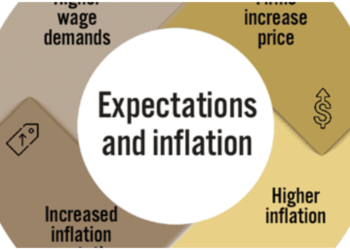
Despite the intervention, concerns emerged regarding pricing disparities. Emergency fuel sourced locally was estimated at Sh198,000 per metric tonne, compared to approximately Sh140,000 per metric tonne under existing supply arrangements. The differential implied a potential increase in pump prices of about Sh14 per litre, raising affordability and inflation concerns.
The situation also exposed tensions within existing supply frameworks involving international partners such as Saudi Aramco, Abu Dhabi National Oil Company, and Emirates National Oil Company, all of which operate under long-term agreements with Kenya. Market disruptions linked to the Middle East conflict contributed to upward price adjustments and extended delivery timelines, complicating adherence to earlier contractual terms.
Uganda’s strategic position within the regional fuel ecosystem further shaped the outcome. Holding a 20.15% stake in Kenya Pipeline Company following a share acquisition worth over Sh20 billion, Uganda retains significant influence, including board representation and governance rights. The country is also a major user of the pipeline network, accounting for a substantial share of transit fuel volumes, alongside markets such as eastern Democratic Republic of Congo (19%), South Sudan (15%), and Rwanda (15%).
The fallout from the crisis extended beyond supply concerns. Senior officials, including the pipeline company’s leadership and regulatory authorities, exited their positions amid investigations into the procurement process. Questions have been raised regarding data integrity, pricing decisions, and adherence to established import frameworks.
Overall, the episode underscores the vulnerability of Kenya’s fuel supply chain to both external shocks and internal coordination challenges. While emergency imports provided a short-term buffer, the higher costs and governance concerns highlight the need for stronger regional cooperation, diversified supply routes, and improved transparency in strategic energy decisions.