Sharp Daily
No Result
View All Result
Saturday, May 16, 2026
  • Home
  • News
    • Politics
  • Business
    • Banking
  • Investments
  • Technology
  • Startups
  • Real Estate
  • Features
  • Appointments
  • About Us
    • Meet The Team
Sharp Daily
  • Home
  • News
    • Politics
  • Business
    • Banking
  • Investments
  • Technology
  • Startups
  • Real Estate
  • Features
  • Appointments
  • About Us
    • Meet The Team
No Result
View All Result
Sharp Daily
No Result
View All Result
Home Economy

Kenya’s T-bill frenzy a red flag

Brian Otieno by Brian Otieno
June 18, 2025
in Economy, Opinion
Reading Time: 2 mins read

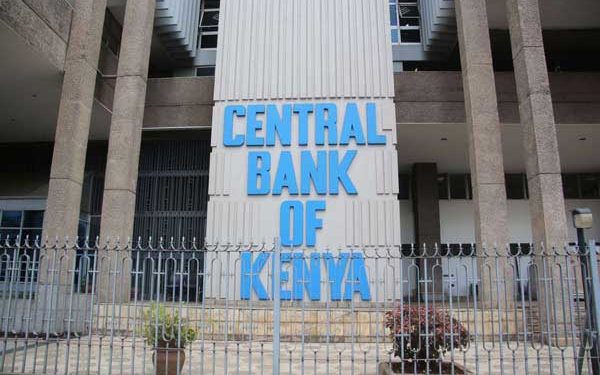
The continued oversubscription of Kenya’s Treasury bills (T-bills), particularly the 91-day paper, has become a defining feature of the domestic debt market in recent months. The latest figures from June 12, 2025, show an overall subscription rate of 237.4%, with the 91-day T-bill attracting a staggering 364.9% subscription up from 197.9% the previous week.

On one hand, the surge in appetite for T-bills reflects a vote of confidence in government securities. In a climate of global and regional uncertainty, investors are opting for safety, and few instruments offer the security and predictability of short-term government debt. The 91-day bill is especially attractive, offering a quick turnaround and relatively decent real returns 4.4% when adjusted for inflation, which is currently at 3.8%.

However, this trend reveals  a more uncomfortable truth: the real economy isn’t offering compelling alternatives. When businesses hold back on expansion and individuals opt for fixed-income instruments over productive investments, it suggests underlying fragility. People would rather lend to the government at modest returns than take risks in agriculture, manufacturing, or even the stock market.

More worrying is that Institutions, including banks and pension funds, are channeling more funds into government securities instead of the private sector. That is a signal of risk aversion in the financial system. It means fewer loans to SMEs and startups, and less credit flowing into productive parts of the economy—the very sectors Kenya needs to grow jobs and reduce poverty This should concern us.

RELATEDPOSTS

Safaricom’s fuel strategy highlights growing energy risks facing Africa’s digital economy

May 15, 2026

Member Engagement and Financial Literacy in Retirement Planning

May 15, 2026

Moreover, the government’s selective acceptance of bids only 30.2% of the KES 57.0 billion received bids  points to cautious fiscal strategy. While this may seem prudent, it also raises the question of how the remaining deficit will be financed.

The big appetite for the  91-day T-bill could also create rollover risks, as they  mature quickly and constant refinancing becomes necessary. If macroeconomic conditions shift say, inflation spikes or global interest rates rise the government could face significant pressure refinancing maturing debt at higher costs.

It is worth pausing to ask what does this trend tells us about investor sentiment, government policy, and the health of our economy? Economists would read this as a warning sign and if this trend continues unchecked, we risk having an economy where the government competes directly with the private sector for capital.


Previous Post

The invisible tax: How poor financial literacy is costing Kenyan’s millions

Next Post

A scalable solution to Kenya’s rural health crisis

Brian Otieno

Brian Otieno

Related Posts

Analysis

Co-op bank Q1 profit rises on digital growth

May 15, 2026
Economy

Treasury’s proposed VAT on digital payment platforms signals new pressure on Kenya’s cashless economy

May 14, 2026
Business

EPRA ends kenya power monopoly in major energy sector shift

May 13, 2026
Analysis

Fuliza disbursements hit kSh 1.47 tTrillion

May 8, 2026
Economy

How global supply chains feed Kenya’s fake drug market

May 7, 2026
Analysis

Taifa gas eyes kenyan market with major LPG investment

May 6, 2026

LATEST STORIES

Safaricom’s fuel strategy highlights growing energy risks facing Africa’s digital economy

May 15, 2026

Member Engagement and Financial Literacy in Retirement Planning

May 15, 2026

Why fuel prices in Africa stay high when oil prices fall — and who Mercy Corps is holding responsible

May 15, 2026

Hantavirus on a luxury cruise ship: what we know, what we don’t, and why the WHO says stay calm

May 15, 2026

How Government Borrowing Influences Market Interest Rate

May 15, 2026

Role of customer experience in business growth

May 15, 2026

When to exit an investment

May 15, 2026

EPRA’s Direct Electricity Trading Reforms Signal a Structural Shift in Kenya’s Power Sector

May 15, 2026
  • About Us
  • Meet The Team
  • Careers
  • Privacy Policy
  • Terms and Conditions
Email us: editor@thesharpdaily.com

Sharp Daily © 2024

No Result
View All Result
  • Home
  • News
    • Politics
  • Business
    • Banking
  • Investments
  • Technology
  • Startups
  • Real Estate
  • Features
  • Appointments
  • About Us
    • Meet The Team

Sharp Daily © 2024