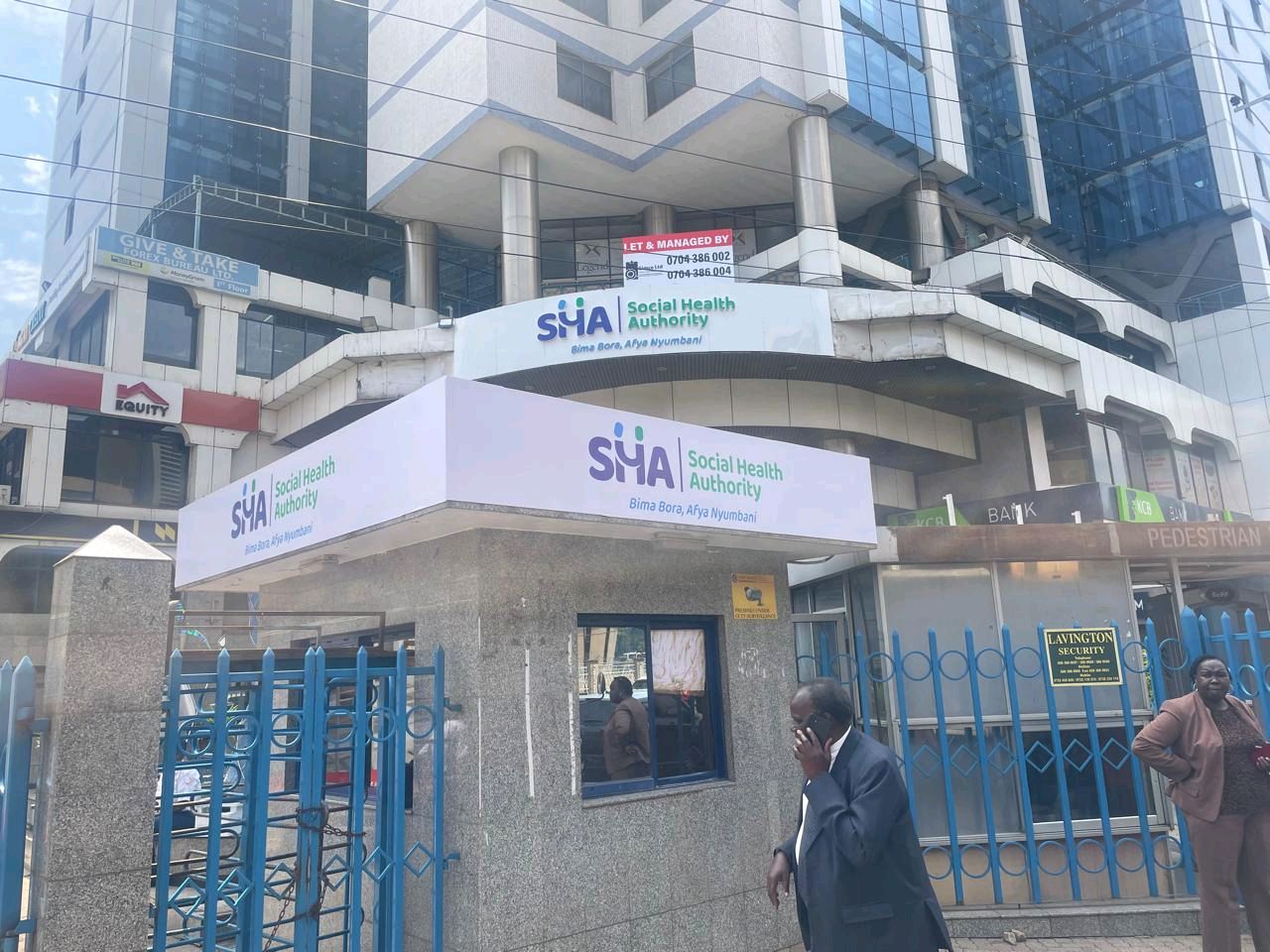
Kenya’s Social Health Insurance Fund (SHIF), launched on October 1, 2024, with the ambitious goal of delivering universal health coverage to its 56 million citizens. The new scheme, which replaces the 58-year-old National Health Insurance Fund (NHIF), aims to address long-standing issues in the country’s healthcare system.
However, while the fund promises to overhaul access to healthcare, concerns have emerged over the financial impact of the mandatory contribution structure and its potential burden on the population, particularly on middle- and high-income earners.
The SHIF, established through the Social Health Insurance Act of 2023, is a cornerstone of President William Ruto’s Bottom-Up Economic Transformation Agenda. It comes as Kenya seeks to fulfill its pledge to achieve universal health coverage, an integral part of the government’s long-term Vision 2030 and the Big Four Agenda, introduced in 2017.
Under the new system, all Kenyan households are required to contribute 2.75% of their income to SHIF, a significant departure from the flat-rate contributions used by the NHIF. The Ministry of Health projects that this model will raise KES 133 billion annually, compared to the KES 78.8 billion collected by the NHIF in 2023. While the government touts this as a way to enhance healthcare access, the burden on higher earners and the unpredictability for informal workers has led to concerns about the fund’s sustainability.


A report by Cytonn Research, released on October 13, 2024, offers a mixed assessment of the new scheme. While acknowledging SHIF’s potential to bring healthcare to underserved populations, the report highlights significant challenges that could undermine its success. Key among these is the increased financial burden on certain income brackets.
For households earning KES 500,000 or more per month, contributions will rise dramatically—from a maximum of KES 1,700 under NHIF to over KES 13,000 under SHIF. “This steep increase in contributions will hit high-income earners hard, and there is no cap, making this a regressive element in the system,” the report notes. Even middle-income households, with incomes between KES 30,000 and KES 100,000, will see their monthly deductions more than double in some cases. In contrast, households with lower incomes, particularly those earning less than KES 6,000 per month, will only pay a minimum contribution of KES 300.
Unresolved Challenges and Operational Hurdles
The SHIF’s rollout has not been without obstacles. According to the Cytonn Research report, technical failures in the fund’s claims processing system and biometric verification have left many Kenyans unable to access healthcare services since their NHIF cards were deactivated before the SHIF systems became fully functional. Hospitals have also faced uncertainty regarding reimbursement for services, leading some facilities to request out-of-pocket payments despite SHIF coverage.
“While the SHIF is built on an ambitious framework, its implementation is already hampered by significant operational challenges,” the report explains. The new system’s failure to engage healthcare providers in formal contractual agreements has exacerbated the problem, as many hospitals remain unclear on the exact terms of their participation.
Additionally, the government’s decision to replace the NHIF’s existing technology infrastructure with a new, costly system has been a focal point of public debate. The integrated healthcare technology system, procured for KES 104 billion from a Safaricom-led consortium, has yet to deliver on its promises of improved efficiency. Many hospitals have reverted to using NHIF’s older systems due to glitches in SHIF’s new platform, raising concerns over the wastage of resources in an already underfunded sector.
A Strain on Public Trust
Public reception to SHIF has been mixed. While the Ministry of Health reports that over 12.7 million Kenyans had registered for SHIF as of early October, public trust in the new scheme remains low. According to the Cytonn report, the transition from NHIF to SHIF has been poorly communicated, resulting in confusion about contributions and coverage among the public.
Many Kenyans have expressed frustration over the limits imposed on services covered by SHIF, particularly for those dealing with chronic illnesses. The fund’s coverage for chronic conditions, such as diabetes and cancer, remains capped at specific household amounts or limited by annual time frames. For instance, inpatient services are restricted to 180 days per household per year, a limitation that critics say could be insufficient for those undergoing long-term treatment.
“Such coverage caps may discourage the very people SHIF is designed to help,” the report notes, further questioning whether the promised universal health coverage is achievable under the current model. Moreover, SHIF’s mandatory deductions, particularly for those in the informal sector with irregular incomes, have raised concerns about the feasibility of long-term compliance.
A Glimpse at International Models
Cytonn Research draws comparisons to similar social health insurance models in Japan and the United Kingdom. Japan’s National Health Insurance System (NHIS), for instance, is partially subsidized by the government and applies a sliding scale of contributions based on income. Additionally, the NHIS includes a “High-Cost Medical Expense Benefit System” to shield residents from catastrophic medical expenses. The Cytonn report suggests that Kenya could benefit from adopting similar safeguards to prevent low-income households from becoming overburdened.
The UK’s National Health Service (NHS), funded primarily through general taxation, also offers a lesson in governance and operational efficiency. The NHS system’s ability to generate additional revenue through private treatments and non-core activities such as real estate investments has helped sustain the service without imposing excessive financial strain on citizens. “For SHIF to be truly sustainable, it will need to find innovative ways to raise revenue without placing an undue burden on Kenyan households,” the report advises.
While the SHIF represents a bold step toward improving healthcare access in Kenya, its early-stage operational failures and public dissatisfaction pose significant risks to its success. The Cytonn Research report urges the government to address these issues by enhancing transparency, improving communication, and finding ways to subsidize the cost burden on lower-income households. Only by overcoming these obstacles can SHIF achieve its ambitious goal of universal health coverage and avoid becoming yet another financial strain on the population.
You can read the Cytonn report here.