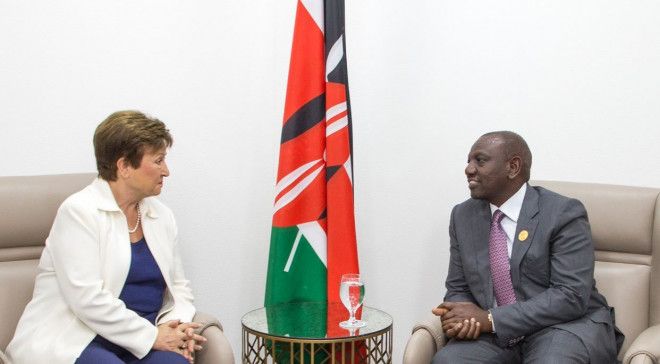
Kenya has entered a new round of discussions with the International Monetary Fund (IMF) as it seeks to secure a fresh financial arrangement amid mounting fiscal pressures. These talks come at a crucial moment for the country, as it navigates rising debt servicing costs, budget deficits, and the need to maintain economic stability.The previous IMF-supported program provided critical financial support and policy guidance but has since concluded. As Kenya negotiates a new agreement, the focus is expected to be on fiscal consolidation, improved revenue collection, and prudent expenditure management. These measures are aimed at ensuring long-term debt sustainability while supporting economic growth.
A notable shift in Kenya’s fiscal approach is the move away from excessive reliance on external borrowing. The government is increasingly exploring alternative financing mechanisms such as asset monetization, securitization, and the use of capital markets. The recent pipeline company IPO is a clear example of this evolving strategy, demonstrating how public assets can be leveraged to raise significant funds.The outcome of the IMF talks will have important implications for investor confidence. A successful agreement could reassure both local and international investors, potentially lowering borrowing costs and stabilizing the Kenyan shilling. On the other hand, delays or challenges in reaching an agreement could create uncertainty in financial markets.
External factors are also influencing Kenya’s economic outlook. Rising global interest rates and increased energy prices are placing additional strain on emerging markets. For Kenya, this means higher borrowing costs and increased pressure on foreign exchange reserves.The government is therefore walking a fine balance between maintaining fiscal discipline and supporting economic growth. While reducing debt levels is essential, it must be done in a way that does not stifle development or negatively impact key sectors of the economy.
In the long term, successful engagement with the IMF could help Kenya strengthen its economic fundamentals and improve its credit rating. This would make it easier for the country to access international capital at more favorable rates.Ultimately, the ongoing talks represent a critical step in Kenya’s economic journey. The decisions made during this period will shape fiscal policy, influence investor sentiment, and determine the country’s financial stability in the years ahead.