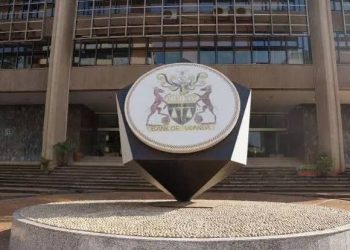
In Kenya, a regulatory void in the legal framework allows Ponzi-style business models, theoretically prohibited globally, to persist. As victims grapple with the aftermath, the eradication of Ponzi schemes demands a three-pronged approach: education, regulation, and enforcement.
While Ponzi and pyramid schemes differ in mechanics, both exploit participants for financial gain. Pyramid schemes focus on recruitment and bonuses, while Ponzi schemes demand investment with promises of extraordinary returns.
The absence of specific regulations in Kenya creates an ideal environment for financial predators, underscoring the urgent need for a dedicated regulatory framework to ensure consumer protection. Kenyan regulators must thoroughly examine existing legislation and, if necessary, establish new laws tailored to combat Ponzi schemes. A unified effort by regulators, law enforcement, and legal entities is crucial to closing regulatory gaps and thwarting fraudulent activities.
Regulators must actively educate the public on Ponzi scheme risks and raise awareness of signs of fraudulent investment schemes. The Central Bank of Kenya (CBK) and the Directorate of Criminal Investigation (DCI) play essential roles, but a more proactive stance is required. The absence of specific laws targeting Ponzi schemes hampers swift prosecution, necessitating legislative reforms with strengthened penalties for financial fraud.
RELATEDPOSTS
Hefty fines, extended prison sentences, and other punitive measures can serve as deterrents, discouraging potential fraudsters. Publicizing successful prosecutions and funding restitution to victims will emphasize that financial crimes will not go unpunished. Victims of Ponzi schemes, grappling with financial ruin, deserve justice, and regulators must prioritize implementing robust regulations that prevent such schemes and provide swift legal remedies for victims.
Prevention lies at the core of this battle, and education, regulation, and enforcement must collaborate to protect citizens from falling victim to these schemes. Regulators, including the CBK and other enforcement agencies, should intensify educational efforts through public announcements, media coverage, and community engagement.
Recent global events, such as the conviction of Sam Bankman-Fried for fraud and money laundering, underscore the need for vigilant regulatory oversight across all sectors. In Kenya, the DCI highlighted a chilling case involving NMK Capital Investment Limited, emphasizing the urgent need for comprehensive regulations targeting Ponzi schemes.
The absence of specific laws allows fraudulent activities to persist, causing financial and emotional distress to victims. Regulators must act swiftly to close regulatory gaps, ensuring that perpetrators face the full force of the law. The battle against Ponzi schemes necessitates a holistic approach, with education, regulation, and enforcement as the pillars of defense. Recent revelations underscore the urgency for regulators to fortify their efforts, striving for a future where every Kenyan can invest with confidence in a robust regulatory framework. The time for comprehensive and decisive action is now, before more lives are ruined, and the credibility of our financial systems is compromised.