Kenya, a pioneer in digital banking and financial technology, faces an unconventional challenge in its banking sector.
Despite leading in the adoption of innovative digital banking channels, Kenya grapples with concerns of overbanking. This distinctive situation is highlighted in the 2023 Financial Access Survey from the International Monetary Fund (IMF).
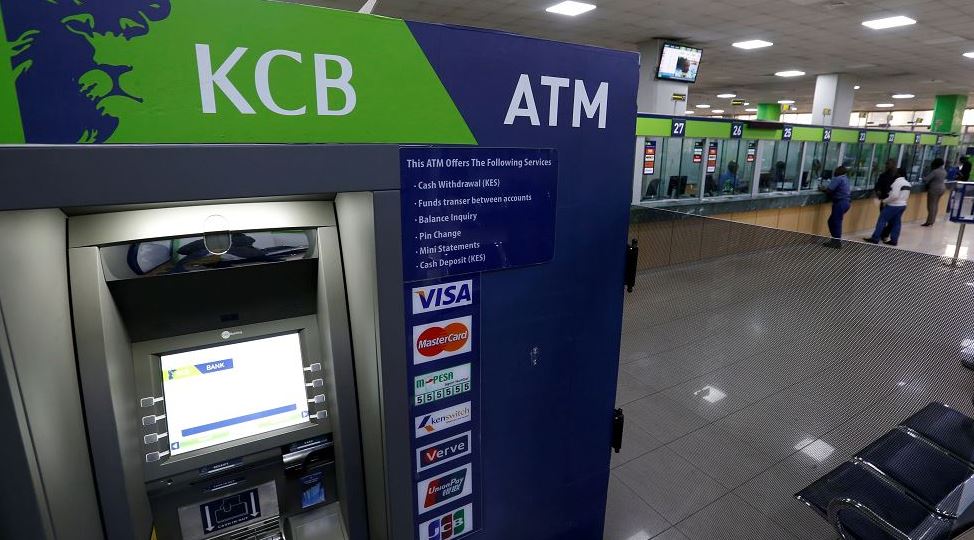
According to the statistics, Kenya has an abundance of Automated Teller Machines (ATMs) and commercial bank branches compared to neighboring countries like Tanzania, Uganda, and Rwanda. For instance, in 2022, Kenya boasted 6.8 ATMs and 4.3 bank branches for every 100,000 people. In contrast, Tanzania had 5.6 ATMs and 2.3 branches for the same population size, with even lower ratios reported in Uganda and Rwanda.
This unique scenario has led to the coining of the term “overbank-ness” within Kenya, reflecting the notably high density of bank branches and ATMs. Nevertheless, Kenya continues to lead in digitization, with 2,176.0 registered mobile money accounts per 1,000 adults and a significant number of mobile money agents at 559.8 agents per 1,000 square kilometers.


The Central Bank of Kenya (CBK) reported in its Annual Banking Supervision Report for 2022 that there are 39 licensed banks operating in Kenya. While the number of bank branches increased in 2022, particularly in emerging and new growth areas, the count of ATMs decreased. This decline is attributed to the growing adoption of agency, mobile, and digital banking services, signaling Kenya’s active shift towards digital financial platforms.
To address the issue of overbanking, the CBK consistently advocates for mergers and acquisitions in the banking sector. These strategic moves aim not only to reduce the number of licensed banks but also to mitigate risks in the industry.
Recent history shows notable mergers and acquisitions, including Equity Bank’s acquisition of Spire Bank, Co-operative Bank’s acquisition of Jamii Bora Bank, Kenya Commercial Bank (KCB) Group’s takeover of the National Bank of Kenya, and the formation of NCBA through the merger of National Industrial Credit (NIC) and Commercial Bank of Africa (CBA).
Foreign banks have also entered the market, with Egypt’s Commercial International Bank acquiring Mayfair Bank, Nigeria’s Access Bank acquiring Transnational Bank, and Premier Bank in Somalia taking control of First Community Bank.
While these M&A activities often focus on expanding into new regional markets, they also contribute to reducing the number of operational banking branches. Kenyan bank subsidiaries in the region witnessed substantial growth, reaching 552 in 2022, up from 494 in 2021, with the majority located in the Democratic Republic of Congo.
The Governor of the Central Bank of Kenya, Kamau Thugge, has expressed support for mergers and acquisitions as a means to achieve the optimal number of banks in the network. This aligns with the CBK’s goal of consolidating the sector and ensuring the stability and efficiency of the banking industry.
The issue of overbanking in Kenya and the call for mergers and acquisitions are pivotal discussions in the country’s financial landscape. The future of the banking sector is expected to witness further consolidation and strategic alliances as Kenya seeks to strike a balance between financial innovation and the ideal number of banks to serve its expanding economy and tech-savvy population.