Kenya’s energy landscape is undergoing a quiet but powerful transformation, one driven not by grand infrastructure projects, but by the humble blue flame of liquefied petroleum gas (LPG). As the cost of cooking gas drops and availability widens, more households are abandoning traditional fuels like charcoal, firewood, and kerosene in favor of cleaner, more efficient alternatives. This shift represents more than just a change in cooking habits, it signals a meaningful step toward economic relief, environmental preservation, and better public health.
For years, the high cost of LPG and limited distribution infrastructure kept millions of Kenyans dependent on biomass fuels. The result was a costly paradox, where households spent significant time and money sourcing fuel that polluted their homes and degraded the environment. However, recent efforts to improve the supply chain, coupled with reduced import costs and increased private sector investment, have made LPG more accessible. The government’s push to scrap VAT on gas cylinders and encourage local refilling stations has also helped drive down retail prices, giving consumers new options for cleaner cooking.
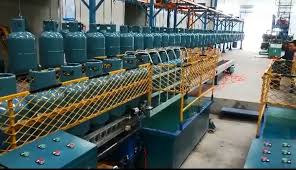
Economically, the benefits are immediate and wide reaching. LPG is far more efficient than charcoal or kerosene, meaning families spend less per meal and save more over time. For urban households already facing the pressure of rising living costs, this shift offers real relief. Moreover, as demand for LPG grows, so too does the potential for job creation across distribution, retail, and maintenance networks. The growth of small-scale refilling centers and local cylinder manufacturing plants has injected fresh vitality into the informal energy sector, spurring entrepreneurship and regional trade.
From an environmental perspective, the gains are even more profound. Widespread charcoal use has long been linked to deforestation, loss of biodiversity, and increased carbon emissions. A transition toward LPG can significantly cut Kenya’s carbon footprint and help the country meet its clean energy targets under Vision 2030 and the Sustainable Development Goals (SDGs). Cleaner cooking fuels also reduce indoor air pollution which is a major contributor to respiratory illnesses, especially among women and children. The health and productivity benefits of this alone are immense, reducing medical costs and improving overall well-being.


Yet, while the progress is encouraging, the transition is far from complete. Millions of low-income households still struggle to afford initial LPG setup costs, such as cylinders and cookers. Sustaining momentum will require continued policy support, targeted subsidies, and public-private partnerships that make clean cooking both affordable and accessible. Expanding last-mile distribution to rural and peri-urban areas is equally essential to ensure that no household is left behind in Kenya’s clean energy transition.
The shift to LPG is a story of empowerment, one that underscores how small technological and economic changes can have outsized impacts on society. As Kenya’s blue flames light up kitchens across the country, they are also igniting broader progress cleaner air, greener forests, and stronger household economies. The transition to LPG is fueling change, for people, for the planet and for Kenya’s sustainable future.