Treasury Revises 2026 Economic Outlook
On July 23, 2026, Kenya’s National Treasury revised its 2026 economic growth forecast downward to 5.0%, from the earlier projection of 5.3%. Speaking during the official launch of the FY 2027/28 budget preparation process, Treasury Principal Secretary Chris Kiptoo attributed the adjustment to rising global uncertainties and weaker-than-expected domestic tax revenues. Consequently, the revised Kenya growth forecast reflects a more cautious assessment of the country’s economic prospects as external pressures and fiscal constraints continue to intensify across the region.
Global Conflicts Weigh on Economic Activity
One of the key factors behind the revised Kenya growth outlook is the persistence of geopolitical tensions in the Middle East. These conflicts have disrupted global supply chains while contributing to higher international energy prices. As a result, Kenya’s reliance on imported fuel exposes the domestic economy to rising crude oil prices and increased landed fuel costs. Furthermore, higher energy expenses raise operating costs across major sectors, including manufacturing, transport and logistics, and agricultural processing. Consequently, businesses operating in energy-intensive industries may experience tighter profit margins, potentially weighing on overall economic productivity despite strong growth recorded in international tourism and hospitality during the first quarter of 2026.
Tax Revenue Shortfalls Increase Fiscal Pressure
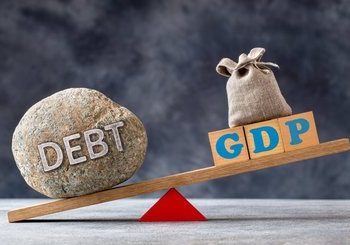
Meanwhile, domestic fiscal challenges have further complicated the Kenya growth outlook. By the end of the 2025/26 financial year in June 2026, total government revenue fell Ksh 90.1 billion below the targeted level. The shortfall consisted of a Ksh 53.5 billion deficit in ordinary tax collections and a further Ksh 36.6 billion gap in Appropriations-in-Aid. Although the government reduced expenditure to limit the overall fiscal deficit to 6.7% of GDP, the persistent revenue shortfall has significantly reduced the government’s fiscal flexibility. Therefore, the ability to finance public priorities while managing fiscal consolidation remains a critical factor in determining the pace of Kenya growth.
Monetary Policy Supports Private Sector Credit
Despite the downward revision, several macroeconomic indicators continue to point to underlying resilience in the Kenyan economy. The Central Bank of Kenya (CBK) has maintained a supportive monetary policy stance, with the Central Bank Rate (CBR) remaining at 8.75%. Consequently, commercial bank lending rates have gradually eased, supporting improved access to credit for businesses and households. Furthermore, private sector credit growth has accelerated to 9.3%, with increased financing activity directed toward sectors such as trade, construction, and smallholder agriculture. As a result, improving credit conditions could provide an important foundation for sustaining Kenya growth despite the challenging external and fiscal environment.


Strong Foreign Reserves Support Economic Stability
Additionally, Kenya’s external liquidity position remains relatively strong, providing a buffer against foreign exchange volatility. As of July 2026, the country’s foreign exchange reserves stood at approximately USD 14.1 billion, equivalent to around six months of import cover and comfortably above the CBK’s statutory minimum threshold of four months. Moreover, consistent diaspora remittance inflows and agricultural export earnings have continued to support the country’s external position. Consequently, the Kenya Shilling has maintained relative stability against the US dollar, trading at approximately Ksh 129.5 per USD 1.0, which provides some support to overall economic stability.
Fiscal Discipline Will Shape Future Growth
Ultimately, the decision by the National Treasury to lower the 2026 growth forecast to 5.0% signals a more cautious and realistic policy approach. While the revised Kenya growth projection highlights the challenges facing the economy, the country’s relatively stable monetary conditions, strong foreign exchange reserves, and improving private sector credit growth provide important sources of resilience. Nevertheless, the government’s ability to strengthen tax administration and rationalize expenditure will remain crucial. Moving forward, balancing rising debt service obligations with essential public investment will be critical to sustaining economic momentum and achieving the projected growth recovery of 5.1% in 2027 and 5.2% in 2028.