Sharp Daily
No Result
View All Result
Thursday, February 26, 2026
  • Home
  • News
    • Politics
  • Business
    • Banking
  • Investments
  • Technology
  • Startups
  • Real Estate
  • Features
  • Appointments
  • About Us
    • Meet The Team
Sharp Daily
  • Home
  • News
    • Politics
  • Business
    • Banking
  • Investments
  • Technology
  • Startups
  • Real Estate
  • Features
  • Appointments
  • About Us
    • Meet The Team
No Result
View All Result
Sharp Daily
No Result
View All Result
Home News

New spending bill looms as solution to KES 300 billion shortfall

Brian Murimi by Brian Murimi
June 27, 2024
in News
Reading Time: 2 mins read

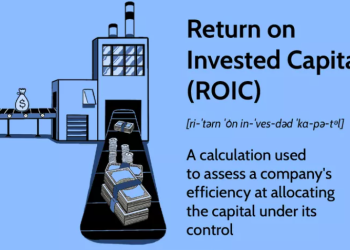
The government is grappling with a KES 300 billion financing gap for the upcoming fiscal year, following the unexpected rejection of the Finance Bill 2024.

National Assembly Speaker Moses Wetangula has on Thursday outlined the implications of this development, signaling potential spending cuts and a supplementary budget to address the shortfall.

In a detailed explainer issued on June 27, 2024, Speaker Wetangula revealed the far-reaching consequences of President William Ruto’s memorandum recommending the deletion of all 69 clauses in the Finance Bill 2024. This move, described as a “rejection of the bill in its entirety,” has left lawmakers scrambling to address the budgetary implications with just days remaining before the new fiscal year begins on July 1.

“We are guided that the rejection and loss of the entire Finance Bill, 2024 shall occasion a financing gap of approximately KES 300 billion between the expenditure approved by the National Assembly through the Appropriation Bill, 2024 and the projected revenues that may be raised from the existing tax measures,” Wetangula stated.


RELATEDPOSTS

What a TikTok ban would mean for Kenyans

February 19, 2026

Kenya’s demand for Starlink subscriber data raises privacy and security debate

February 18, 2026

The Speaker explained that while the Appropriation Bill 2024, which authorizes the withdrawal of funds from the Consolidated Fund, has already been passed, the rejection of the Finance Bill leaves a significant revenue shortfall.

To bridge this gap, Wetangula suggested that “the financing gap may be bridged by the reduction of approved expenditure. This may be achieved by enacting a Supplementary Appropriation Bill in accordance with the applicable procedure.”

This highlights the delicate balance between revenue generation and public sentiment in Kenya. According to Wetangula, the President’s decision to reject the bill was “informed by the need to reflect the voice of the people of Kenya who have rejected the Bill in its entirety.”

While unusual, this is not unprecedented in Kenyan politics. Wetangula cited two previous instances during the 11th and 12th Parliaments where presidents referred bills back with recommendations to delete all clauses. In both cases, the National Assembly failed to muster the two-thirds majority required to override the presidential veto.

The rejection of the Finance Bill does not mean it can become law through the passage of time. Wetangula emphasized, “Having been referred back to the National Assembly for reconsideration on account of the President’s reservations, the Finance Bill, 2024 cannot become law through mere lapse of time.”

As the country approaches the start of the new fiscal year, all eyes will be on the Departmental Committee on Finance and National Planning, which is expected to report to the House when it resumes regular sittings on July 23, 2024. The committee’s recommendations and the subsequent actions of the National Assembly will be crucial in determining how Kenya navigates this unexpected fiscal challenge.

Previous Post

DP Gachagua mourns the loss of elder sister Leah Wangari

Next Post

Equity Group enters health insurance market with KES 800 million capital

Brian Murimi

Brian Murimi

Brian Murimi is a communications and advocacy professional with a focus on innovation, policy and continental development in Africa. A former journalist, he now works at the intersection of knowledge, strategy, and pan-African institution building.

Related Posts

News

Beyond NSSF: Why employers are exploring Pension Umbrella Schemes

February 26, 2026
News

A structural reconfiguration of Kenya’s infrastructure financing

February 25, 2026
Investments

Kenya’s Eurobond refinancing carries Sh7.3 billion cost for taxpayers

February 24, 2026
Investments

Uganda secures board representation in Kenya Pipeline deal as IPO nears critical threshold

February 23, 2026
World Bank says Kenya Is shielding state firms from market realities
News

World Bank warns aid cuts to refugees could deepen crisis in Kenya

February 23, 2026
News

Kenya Raises USD 2.3 Bn Eurobond to Extend Debt Maturity and Ease Refinancing Pressure

February 20, 2026

LATEST STORIES

Beyond NSSF: Why employers are exploring Pension Umbrella Schemes

February 26, 2026

Why some oil marketers are resisting KRA’s eTIMS integration

February 26, 2026

A structural reconfiguration of Kenya’s infrastructure financing

February 25, 2026

How Kenyans could access part of their pension savings before retirement

February 25, 2026

Kenya’s Eurobond refinancing carries Sh7.3 billion cost for taxpayers

February 24, 2026

Gold overtakes the US Dollar as the world’s top reserve asset

February 24, 2026

Uganda secures board representation in Kenya Pipeline deal as IPO nears critical threshold

February 23, 2026
World Bank says Kenya Is shielding state firms from market realities

World Bank warns aid cuts to refugees could deepen crisis in Kenya

February 23, 2026
  • About Us
  • Meet The Team
  • Careers
  • Privacy Policy
  • Terms and Conditions
Email us: editor@thesharpdaily.com

Sharp Daily © 2024

No Result
View All Result
  • Home
  • News
    • Politics
  • Business
    • Banking
  • Investments
  • Technology
  • Startups
  • Real Estate
  • Features
  • Appointments
  • About Us
    • Meet The Team

Sharp Daily © 2024