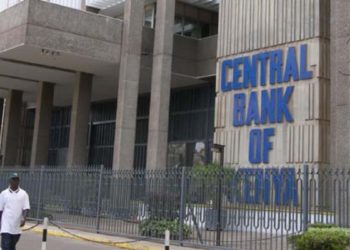
The European Union maintains a list of countries that it deems to pose significant threats to the integrity of its financial system due to shortcomings in Anti-Money Laundering and Counter-Terrorism Financing controls. When a country is added to the watchlist, European based institutions are obligated by law to apply due diligence to transactions involving the listed country. Kenya is under renewed scrutiny after the European Union added it to its updated list of high risk jurisdictions for money laundering and terrorist financing. This places Kenya alongside other countries such as South Africa, Nigeria and the United Arab Emirates, which have also been considered by the European Union to have strategic deficiencies in their anti-money laundering and counter-terrorism financing frameworks.
In reality, Kenyan entities transacting with EU-based firms may be subjected to additional checks and delayed processing times. Such regulatory friction could significantly hamper trade flows, international investments, correspondent banking, and cross-border lending. According to the Union’s assessment, Kenya’s weaknesses mainly lie in beneficial ownership transparency, where despite legislative provisions, Kenya has been slow to operationalize a central register of beneficial owners which allows anonymous entities to flourish. Second, weak enforcement of Anti-Money Laundering laws where prosecution of financial crimes is irregular, with few high-profile convictions despite numerous allegations involving gross amounts of money.
Fast growing fintech sector, where despite Kenya being a global leader in mobile money, the sector remains loosely regulated in comparison to traditional banking. Kenya also has a large informal economy and weak border security which facilitates illegal activities such as illegal money transfers outside regulatory oversight. Also, Kenya’s position as an investment destination in East and Central Africa is at a huge risk of being affected. This is because it affects foreign direct investment since investors may cancel decisions due to reputational risk and regulatory complications.
For Kenya to be excluded from the watchlist, we may need to employ strategies that may require political will and public accountability. Such strategies include, operationalizing the beneficial ownership register and making it accessible to all persons including financial institutions and regulators. Strengthening the Financial Reporting Centre with more funding and autonomy to proactively detect and investigate suspicious activity. Third, prosecuting high profile cases to demonstrate that the rule of law applies equally to everyone. Closing loopholes in the Fintech and Real Estate Sectors. This includes imposing mandatory Know-Your-Customer and reporting obligations on digital wallets.


Failing to act decisively will not only isolate Kenya from global finance, it could also invite secondary sanctions, cross-border investigations and capital flight. On the other hand, swift and transparent reforms could restore confidence, attract green finance, and elevate Kenya’s profile as a responsible and resilient financial hub.