Sharp Daily
No Result
View All Result
Sunday, January 18, 2026
  • Home
  • News
    • Politics
  • Business
    • Banking
  • Investments
  • Technology
  • Startups
  • Real Estate
  • Features
  • Appointments
  • About Us
    • Meet The Team
Sharp Daily
  • Home
  • News
    • Politics
  • Business
    • Banking
  • Investments
  • Technology
  • Startups
  • Real Estate
  • Features
  • Appointments
  • About Us
    • Meet The Team
No Result
View All Result
Sharp Daily
No Result
View All Result
Home Opinion

Driving into the future: Is Kenya ready for an electric vehicle revolution?

Faith Ndunda by Faith Ndunda
January 14, 2025
in Opinion
Reading Time: 2 mins read

Kenya’s electric vehicle (EV) market anticipates significant growth, driven by increasing environmental awareness, supportive government policies and a growing start-up ecosystem. However, challenges such as limited infrastructure and high initial costs continue to hinder general adoption.

Kenya is in the early stage of EV adoption in the country. Despite this, Kenya has a dynamic e-mobility start-up ecosystem in Africa, attracting substantial investments and signalling a readiness for expansion.

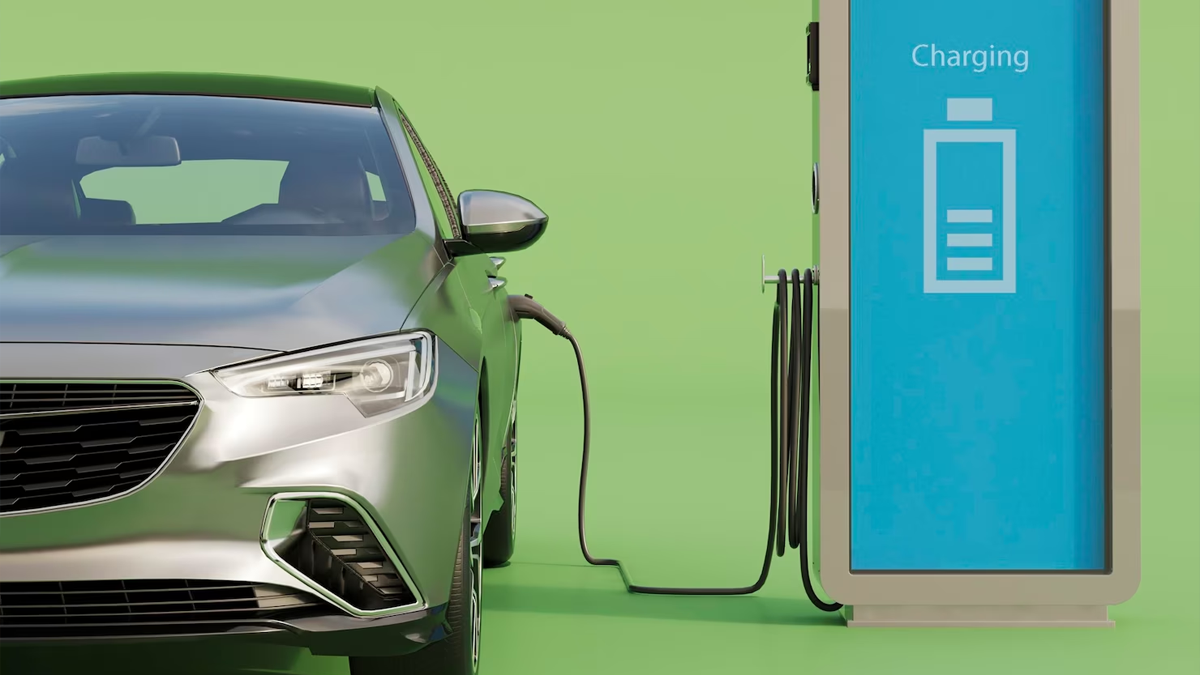
The development of EV infrastructure is gaining momentum. Companies like BasiGo have initiated the establishment of charging stations in Nairobi, with plans to expand accessibility. The Energy and Petroleum Regulatory Authority (EPRA) has introduced a special tariff for EV charging, set at KES 16.0 per unit during peak hours and KES 8.0 per unit during off-peak periods, which was effective in April 2023. While these rates aim to incentivize EV usage, the peak hour tariff remains higher than those for other commercial uses, potentially affecting affordability.

The Kenyan government has demonstrated commitment to promoting electric mobility. The excise duty on EV imports is 10.0% regardless of the engine capacity which is significantly lower than the 20.0% of a fuel gas car with an engine capacity of less than 1500 cc. Such fiscal incentives are designed to lower the entry barriers for consumers and stimulate market growth.


RELATEDPOSTS

Roam launches Kenya’s first locally manufactured electric shuttle bus

September 18, 2023
Renewable Energy

Africa Has a Promising Energy Resources

April 19, 2023

Despite the positive trajectory, several obstacles hinder rapid EV adoption. The upfront expense of EVs remains restrictive for many consumers, even with tax reductions. Although efforts are underway to expand charging networks, current facilities are insufficient to support a large-scale transition to electric mobility. Frequent power outages and the relatively high cost of electricity, especially during peak hours, pose significant challenges to the practicality and cost-effectiveness of EVs.

Kenya’s EV market is expected to experience growth trajectory over the years. This optimistic outlook is reinforced by the country’s green energy policies and ongoing infrastructure developments. Kenya’s EV market is on the brink of significant expansion, propelled by supportive policies, increasing environmental consciousness and active participation from start-ups. However, to realize this potential, it is important to address existing challenges by enhancing infrastructure, ensuring electricity reliability and implementing further incentives to make EVs more accessible to the general population.

Previous Post

How climate change impacts Kenya’s agriculture, tourism, and infrastructure

Next Post

Cytonn money market fund as the key to your 2025 goals

Faith Ndunda

Faith Ndunda

Related Posts

Economy

Strategies for Kenya after being spared US visa freeze

January 16, 2026
News

Kenya keeps a close eye on Uganda’s vote as trade and security hang in the balance

January 14, 2026
Banking

Kenya still relies on cheques as digital payments rise despite Sh200 billion in monthly transactions

January 13, 2026
Economy

How poor waste management is undermining Nairobi

January 9, 2026
Analysis

Self-Insurance by Another Name: The Rise of Investment Based Risk Management

January 9, 2026
Banking

From Shadow to Structure: What CBK’s Licensing of Digital Lenders Means for Kenya’s Credit Market

January 9, 2026

LATEST STORIES

Unit Trusts: Investment Vehicles or Just Sophisticated Savings?

January 16, 2026

Kenya Must Shift From Reactive Drought Aid to Proactive Prevention to End the Cycle of Crisis

January 16, 2026

Building Up, Not Out: The Economic Trade-Offs of High-Rise Housing

January 16, 2026

The Economics of East African Integration: Progress, Frictions, and the Road Ahead

January 16, 2026

Influencers, Social Media, and the New Economics of Business Growth

January 16, 2026

Investment Laws and Their Impact on Foreign Direct Investment in Kenya

January 16, 2026

Mobile Money Meets the Stock Market

January 16, 2026

Kenya’s Current Account Deficit: Risks, Realities, and Economic Opportunities

January 16, 2026
  • About Us
  • Meet The Team
  • Careers
  • Privacy Policy
  • Terms and Conditions
Email us: editor@thesharpdaily.com

Sharp Daily © 2024

No Result
View All Result
  • Home
  • News
    • Politics
  • Business
    • Banking
  • Investments
  • Technology
  • Startups
  • Real Estate
  • Features
  • Appointments
  • About Us
    • Meet The Team

Sharp Daily © 2024