Sharp Daily
No Result
View All Result
Sunday, June 14, 2026
  • Home
  • News
    • Politics
  • Business
    • Banking
  • Investments
  • Technology
  • Startups
  • Real Estate
  • Features
  • Appointments
  • About Us
    • Meet The Team
Sharp Daily
  • Home
  • News
    • Politics
  • Business
    • Banking
  • Investments
  • Technology
  • Startups
  • Real Estate
  • Features
  • Appointments
  • About Us
    • Meet The Team
No Result
View All Result
Sharp Daily
No Result
View All Result
Home News

Debt dilemma: Kenya’s Eurobond and the sovereignty challenge

Editor SharpDaily by Editor SharpDaily
October 18, 2023
in News
Reading Time: 2 mins read

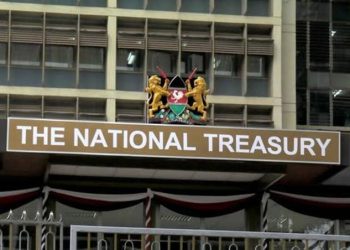
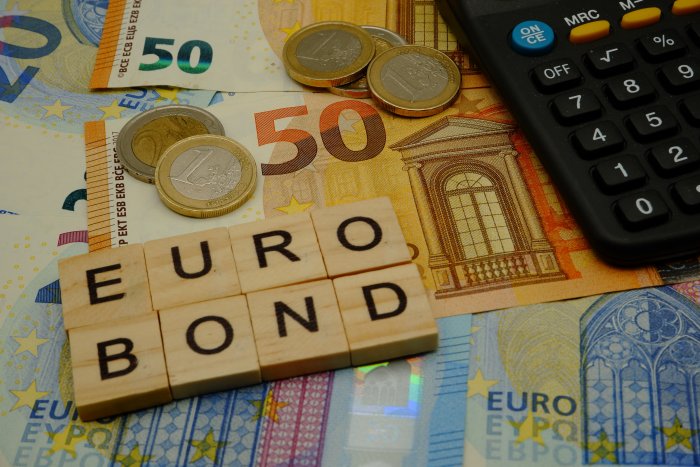
As Kenya’s 10-year Eurobond loan, initiated by the Jubilee administration in 2014 to fund infrastructure projects, matures in 2024, the government finds itself at a crossroads, deliberating on various strategies for repayment.

Among the proposed solutions is the exploration of more affordable financing from the World Bank, a move that has raised questions about the intricate relationship between debt management and national sovereignty.

The Eurobond loan, acquired at a 6.8% interest rate a decade ago, has been a topic of discussion among Kenyans concerned about the country’s increasing debt levels. However, the issue of sovereign debt is not unique to Kenya, as it is a global concern with significant economic and political implications for nations around the world. High levels of debt can affect a country’s sovereignty and financial stability, making the decisions made by Kenya all the more critical.

The consideration to seek more cost-effective financing from the World Bank is a sensible approach to ease Kenya’s debt repayment burden. The World Bank offers loans with lower interest rates and extended repayment periods, potentially providing Kenya with much-needed financial relief. Nevertheless, this strategy highlights Kenya’s growing dependence on international lenders, a factor that carries both benefits and risks.


RELATEDPOSTS

Kenya eyes revenue from Government data with plans for a national digital marketplace

June 8, 2026

Kenyan freelancers and small businesses locked out of earnings as PayPal enforces compliance crackdown

June 3, 2026

Kenya’s heavy reliance on international lenders, including institutions like the World Bank and the International Monetary Fund (IMF), places the nation in a precarious position. While these lenders offer vital financial support, they also exert influence over economic and political decisions, thereby challenging the country’s sovereignty.

Recent events, such as the implementation of the President’s tax policies and stance on various issues, appear to have been influenced by these lending institutions.

This situation calls for a cautious approach to balance the need for external financing with the imperative of safeguarding economic and political independence. It is a challenging task, and the repercussions of the government’s financial choices are expected to be felt politically. These experiences may serve as valuable lessons for Kenya’s future debt management strategies.

In this delicate dance between managing debt and protecting national sovereignty, Kenya’s decision to explore more affordable financing from the World Bank underscores the complexities of a nation’s financial choices in an increasingly interconnected world. The future of Kenya’s debt management will undoubtedly shape the country’s economic and political landscape.


Previous Post

World Bank outlines 5 ways for Kenya to seize services momentum for development

Next Post

Rent on all government residentials to increase by 10% starting November

Editor SharpDaily

Editor SharpDaily

The latest in business, real estate, education, investments, tech and entrepreneurship, brought to you daily. Reach us through thesharpdaily@gmail.com

Related Posts

News

June 12, 2026
News

Where Fintech Companies Actually Make Their Real Profits: Beyond Payments and Transaction Fees

June 12, 2026
News

Why Revenue Growth in Fintech Can Be Misleading: The Hidden Economics Behind Digital Payments

June 12, 2026
News

Finance bill 2026: key tax reforms and economic impact in kenya

June 12, 2026
News

INVISIBLE TRANSACTIONS: THE FUTURE OF PAYMENTS

June 12, 2026
News

Kenya’s Growing Reliance on Domestic Borrowing: Opportunity or Crowding-Out Risk?

June 12, 2026

LATEST STORIES

June 12, 2026

Where Fintech Companies Actually Make Their Real Profits: Beyond Payments and Transaction Fees

June 12, 2026

Why Revenue Growth in Fintech Can Be Misleading: The Hidden Economics Behind Digital Payments

June 12, 2026

Finance bill 2026: key tax reforms and economic impact in kenya

June 12, 2026

INVISIBLE TRANSACTIONS: THE FUTURE OF PAYMENTS

June 12, 2026

Kenya’s Growing Reliance on Domestic Borrowing: Opportunity or Crowding-Out Risk?

June 12, 2026

Family Bank’s NSE Listing: A Long-Overdue Milestone for Kenya’s Capital Markets

June 12, 2026

Kenya’s Small Banks Given Until 2032 to Meet Kshs 10 Billion Core Capital Requirement

June 12, 2026
  • About Us
  • Meet The Team
  • Careers
  • Privacy Policy
  • Terms and Conditions
Email us: editor@thesharpdaily.com

Sharp Daily © 2024

No Result
View All Result
  • Home
  • News
    • Politics
  • Business
    • Banking
  • Investments
  • Technology
  • Startups
  • Real Estate
  • Features
  • Appointments
  • About Us
    • Meet The Team

Sharp Daily © 2024