Sharp Daily
No Result
View All Result
Tuesday, December 16, 2025
  • Home
  • News
    • Politics
  • Business
    • Banking
  • Investments
  • Technology
  • Startups
  • Real Estate
  • Features
  • Appointments
  • About Us
    • Meet The Team
Sharp Daily
  • Home
  • News
    • Politics
  • Business
    • Banking
  • Investments
  • Technology
  • Startups
  • Real Estate
  • Features
  • Appointments
  • About Us
    • Meet The Team
No Result
View All Result
Sharp Daily
No Result
View All Result
Home News

How Interest Rate Hikes Shape Small-Business Investment

Ruth Atieno by Ruth Atieno
November 25, 2025
in News
Reading Time: 2 mins read

RELATEDPOSTS

Kenyan courts in December reaffirmed that title deeds are only prima facie evidence of ownership.

Kenyan courts reaffirm title deeds are not conclusive proof of land ownership

December 16, 2025

The Jobless Gap: Navigating Kenya’s Persistent Unemployment Crisis

December 15, 2025

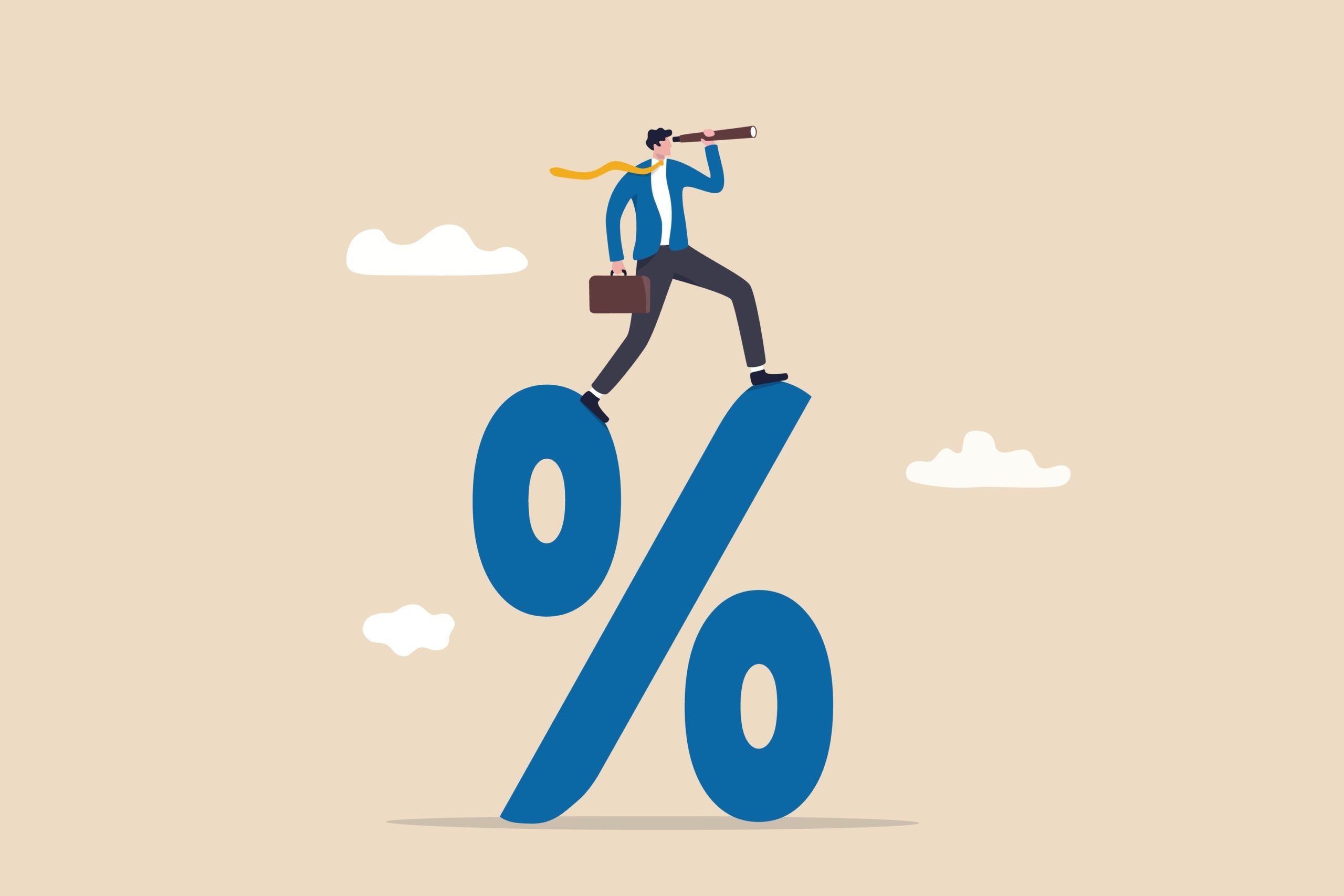
Central banks raise interest rates to bring down inflation, but one of the most consistent ripple effects shows up in the investment behaviour of small businesses. Because these firms rely heavily on short-term, bank-based borrowing, they feel tighter monetary policy faster and more sharply than large corporations with easier access to capital markets.
Research over several decades shows that when interest rates rise, small firms tend to cut back on inventories, delay equipment purchases, and scale down expansion plans. This happens partly because banks become more cautious during tightening cycles and reduce credit to smaller, less-established borrowers. At the same time, higher rates weaken firms’ balance sheets by increasing interest expenses and reducing the value of collateral, two conditions that make lenders even more hesitant. The combination of more expensive borrowing and stricter lending standards creates a feedback loop that pushes investment downward.
This pattern appears consistently across countries. International analyses find that lending rates for small firms rise quickly after central banks increase policy rates, and these higher financing costs translate into measurable reductions in planned capital spending. Surveys of U.S. small businesses show the same dynamic: even moderate rate increases make firms less likely to apply for new credit because the expected cost of financing outweighs the anticipated return on investment.
The broader economic implications are significant. Small and young firms contribute a large share of job creation and play a central role in driving innovation. When rising interest rates curb their ability to invest, the effects can spread to employment, productivity growth, and overall economic momentum.
In short, the relationship between higher interest rates and reduced small-business investment is one of the most well-documented outcomes of monetary policy. As borrowing costs rise and credit conditions tighten, small firms tend to pull back shaping not only their own growth trajectories but also the pace of the wider economy. (Start your investment journey today with the Cytonn MMF, call +2540709101200 or email sales@cytonn.com)


Previous Post

Kenya’s Retirement Benefits Schemes H1’2025 Performance

Next Post

Human rights groups petition ICC over Tanzania alleged post-election killings

Ruth Atieno

Ruth Atieno

Related Posts

Kenyan courts in December reaffirmed that title deeds are only prima facie evidence of ownership.
News

Kenyan courts reaffirm title deeds are not conclusive proof of land ownership

December 16, 2025
News

The Jobless Gap: Navigating Kenya’s Persistent Unemployment Crisis

December 15, 2025
News

Kenya’s Public Debt Dilemma: Navigating the Trilemma of Sustainability, Currency Risk, and Chinese Loans

December 15, 2025
Banking

Kenyan banks lower lending rates after central bank cut

December 15, 2025
Analysis

Special funds vs money market funds Kenya: The complete 2026 investment comparison

December 15, 2025
Analysis

Kenya’s national infrastructure fund and sovereign wealth fund

December 15, 2025

LATEST STORIES

Kenyan courts in December reaffirmed that title deeds are only prima facie evidence of ownership.

Kenyan courts reaffirm title deeds are not conclusive proof of land ownership

December 16, 2025

The Jobless Gap: Navigating Kenya’s Persistent Unemployment Crisis

December 15, 2025

Kenya’s Public Debt Dilemma: Navigating the Trilemma of Sustainability, Currency Risk, and Chinese Loans

December 15, 2025

Kenyan banks lower lending rates after central bank cut

December 15, 2025

Special funds vs money market funds Kenya: The complete 2026 investment comparison

December 15, 2025

Kenya’s national infrastructure fund and sovereign wealth fund

December 15, 2025

Kenya’s High Court suspends implementation of Kenya US health deal amid legal challenges

December 15, 2025

Kenya’s Shift to Risk-Based Lending: Why Banks Are Finally Embracing the Model They Once Resisted

December 13, 2025
  • About Us
  • Meet The Team
  • Careers
  • Privacy Policy
  • Terms and Conditions
Email us: editor@thesharpdaily.com

Sharp Daily © 2024

No Result
View All Result
  • Home
  • News
    • Politics
  • Business
    • Banking
  • Investments
  • Technology
  • Startups
  • Real Estate
  • Features
  • Appointments
  • About Us
    • Meet The Team

Sharp Daily © 2024