Sharp Daily
No Result
View All Result
Wednesday, August 19, 2026
  • Home
  • News
    • Politics
  • Business
    • Banking
  • Investments
  • Technology
  • Startups
  • Real Estate
  • Features
  • Appointments
  • About Us
    • Meet The Team
Sharp Daily
  • Home
  • News
    • Politics
  • Business
    • Banking
  • Investments
  • Technology
  • Startups
  • Real Estate
  • Features
  • Appointments
  • About Us
    • Meet The Team
No Result
View All Result
Sharp Daily
No Result
View All Result
Home News

How Interest Rate Hikes Shape Small-Business Investment

Ruth Atieno by Ruth Atieno
November 25, 2025
in News
Reading Time: 2 mins read

RELATEDPOSTS

YouTube to count views from the first frame starting August 24

August 18, 2026

Kenya’s Sh1 trillion trade deficit: Why the import bill is becoming a bigger problem

August 18, 2026

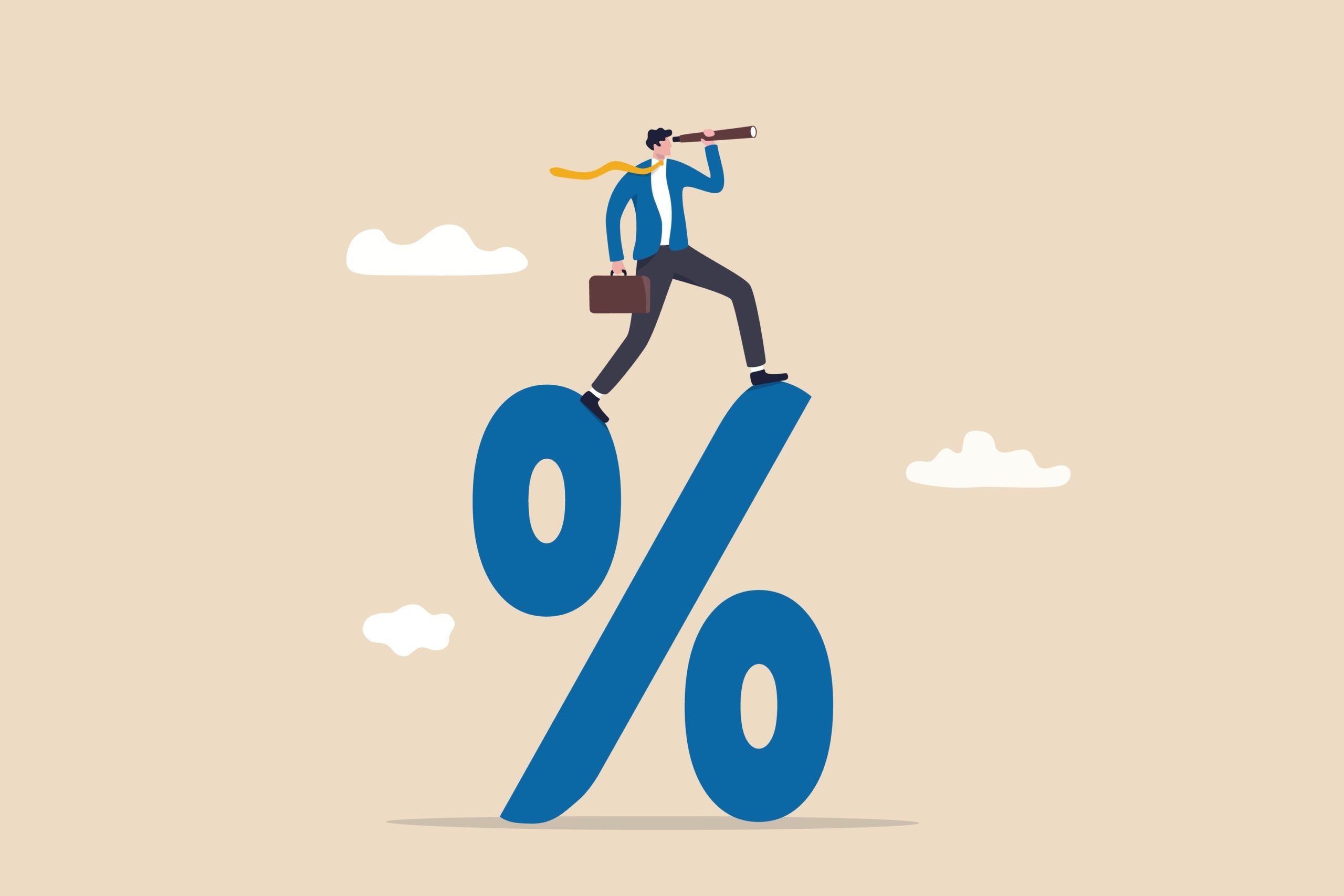
Central banks raise interest rates to bring down inflation, but one of the most consistent ripple effects shows up in the investment behaviour of small businesses. Because these firms rely heavily on short-term, bank-based borrowing, they feel tighter monetary policy faster and more sharply than large corporations with easier access to capital markets.
Research over several decades shows that when interest rates rise, small firms tend to cut back on inventories, delay equipment purchases, and scale down expansion plans. This happens partly because banks become more cautious during tightening cycles and reduce credit to smaller, less-established borrowers. At the same time, higher rates weaken firms’ balance sheets by increasing interest expenses and reducing the value of collateral, two conditions that make lenders even more hesitant. The combination of more expensive borrowing and stricter lending standards creates a feedback loop that pushes investment downward.
This pattern appears consistently across countries. International analyses find that lending rates for small firms rise quickly after central banks increase policy rates, and these higher financing costs translate into measurable reductions in planned capital spending. Surveys of U.S. small businesses show the same dynamic: even moderate rate increases make firms less likely to apply for new credit because the expected cost of financing outweighs the anticipated return on investment.
The broader economic implications are significant. Small and young firms contribute a large share of job creation and play a central role in driving innovation. When rising interest rates curb their ability to invest, the effects can spread to employment, productivity growth, and overall economic momentum.
In short, the relationship between higher interest rates and reduced small-business investment is one of the most well-documented outcomes of monetary policy. As borrowing costs rise and credit conditions tighten, small firms tend to pull back shaping not only their own growth trajectories but also the pace of the wider economy. (Start your investment journey today with the Cytonn MMF, call +2540709101200 or email sales@cytonn.com)


Previous Post

Kenya’s Retirement Benefits Schemes H1’2025 Performance

Next Post

Human rights groups petition ICC over Tanzania alleged post-election killings

Ruth Atieno

Ruth Atieno

Related Posts

News

The role of investment research in identifying mispriced assets

August 17, 2026
News

How Influencers Are Reshaping the Economics of Business Growth

August 14, 2026
News

CBK Holds Rates

August 14, 2026
News

Kenya Stablecoin Regulations Shape Digital Finance

August 14, 2026
News

Circle Arc Blockchain Validators Reshape Institutional Finance

August 14, 2026
News

Stablecoin Treasury Infrastructure Reshapes African Corporate Finance

August 14, 2026

LATEST STORIES

YouTube to count views from the first frame starting August 24

August 18, 2026

Kenya’s Sh1 trillion trade deficit: Why the import bill is becoming a bigger problem

August 18, 2026
John Mbadi, Kenya's treasury secretary, during an interview in Nairobi, Kenya, on Wednesday, Aug. 20, 2025. Kenya is in talks with China to convert dollar-denominated debt the East African nation owes its biggest bilateral lender to yuan and extend the repayment period, Mbadi said. Photographer: Kang-Chun Cheng/Bloomberg via Getty Images

Treasury’s Sh78.6 billion tax cut: relief or more government borrowing?

August 17, 2026

YouTube doubles watch hour requirements for partner program

August 17, 2026

NSSF Eyes Global Markets

August 17, 2026

The role of investment research in identifying mispriced assets

August 17, 2026

Can Kenya’s Tobacco Laws Keep Up With New Nicotine Products?

August 14, 2026

How Influencers Are Reshaping the Economics of Business Growth

August 14, 2026
  • About Us
  • Meet The Team
  • Careers
  • Privacy Policy
  • Terms and Conditions
Email us: editor@thesharpdaily.com

Sharp Daily © 2024

No Result
View All Result
  • Home
  • News
    • Politics
  • Business
    • Banking
  • Investments
  • Technology
  • Startups
  • Real Estate
  • Features
  • Appointments
  • About Us
    • Meet The Team

Sharp Daily © 2024