Kenya’s State entities find themselves ensnared in a financial quagmire, having neglected to remit a staggering sum of KES 73.0 billion in pension and pay-as-you-earn (PAYE) deductions.
This unsettling reality, unveiled by the Parliamentary Budget Office (PBO), underscores the severe cash-flow constraints confronting these agencies, intensifying apprehensions regarding mismanagement and dwindling financial sustenance.
As of the previous month’s closure, outstanding pension dues totaled KES 47.6 billion, with PAYE arrears amounting to KES 25.3 billion. The aggregate unpaid obligations, encompassing contributions to the National Health Insurance Fund (NHIF) and the National Social Security Fund (NSSF), portray a bleak tableau of financial disarray and governance deficiencies.
With outstanding payments for consumables, staff loan deductions, and other commitments reaching KES 220.8 billion, the gravity of the situation looms large.


The root causes of this financial turmoil are multifaceted. General liquidity constraints in meeting expenditure obligations, compounded by deficient corporate governance practices and inadequate oversight mechanisms, have precipitated this predicament.
The failure of state corporations and semi-autonomous government agencies (SAGAs) to honor their financial responsibilities not only imperils the well-being of employees but also erodes public trust and confidence in these institutions.
A closer examination of the data reveals an escalating trend of unpaid liabilities. The 17.0% escalation from KES 188.4 billion in June of the preceding year underscores the exigency of addressing this issue.
With unpaid PAYE soaring by KES 5.1 billion and pension dues escalating by KES 800.0 million within the same timeframe, the rapid deterioration of the situation becomes palpable.
Moreover, the Treasury’s report disclosing losses of at least KES 1.0 billion for twenty-two state-owned agencies in the fiscal year 2022/2023 compounds concerns.
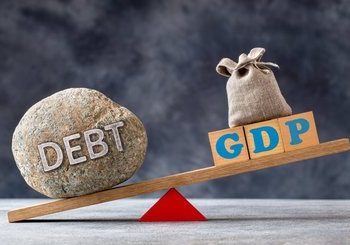
The reliance on bailouts from the National Treasury has become unsustainable, prompting calls for divestment of the State’s interests in these entities to private investors. Escalating debt service obligations, burgeoning funding requisites for development endeavors, and mounting pressure from international financiers have constrained the Treasury’s capacity to extend comprehensive bailouts.
As Kenya confronts the repercussions of unpaid pension and PAYE dues by State entities, prompt action is imperative. Addressing systemic challenges, fortifying governance frameworks, and fostering sustainable financial practices are pivotal strides toward averting a deeper fiscal abyss.
Failure to decisively act risks exacerbating the financial frailty of these entities and intensifying the plight of employees reliant on their stability.