Sharp Daily
No Result
View All Result
Wednesday, May 20, 2026
  • Home
  • News
    • Politics
  • Business
    • Banking
  • Investments
  • Technology
  • Startups
  • Real Estate
  • Features
  • Appointments
  • About Us
    • Meet The Team
Sharp Daily
  • Home
  • News
    • Politics
  • Business
    • Banking
  • Investments
  • Technology
  • Startups
  • Real Estate
  • Features
  • Appointments
  • About Us
    • Meet The Team
No Result
View All Result
Sharp Daily
No Result
View All Result
Home Features

How governments raise money through bond issuances

David Musau by David Musau
November 10, 2023
in Features
Reading Time: 2 mins read

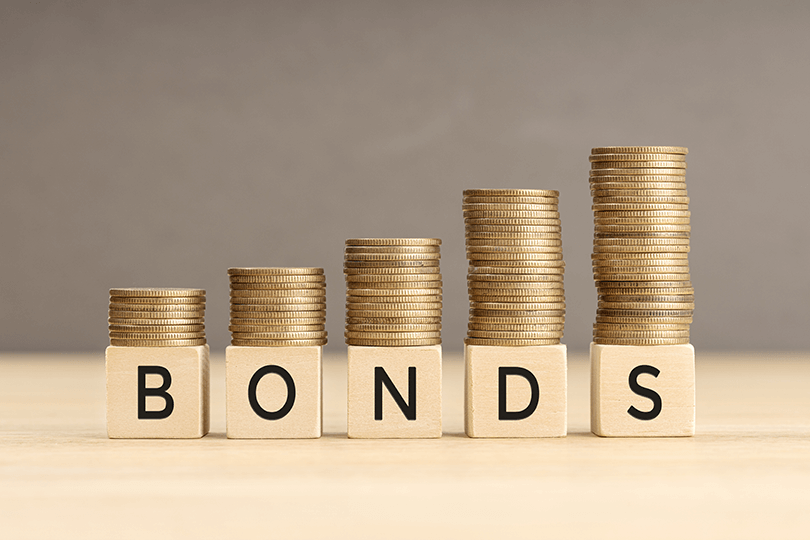
Governments typically raise money through bonds by issuing them in the open market. Here’s how the process generally works:

Issuance: The government, whether it’s a national or local government, decides to borrow money to fund various projects, pay off debt, or cover budget deficits. They determine the amount they need to raise and the terms of the bond, including the interest rate and maturity date.

Underwriting: In some cases, governments may work with investment banks or financial institutions to underwrite the bond issuance. These underwriters help the government structure the bond offering and ensure a successful sale.

Bond Auction: The government then conducts a bond auction where investors, such as individuals, institutions, and other governments, can place bids to purchase the bonds. Bidders specify the quantity they want and the interest rate they are willing to accept.


RELATEDPOSTS

Safaricom launches ksh 15B green bond with 5B greenshoe

December 2, 2025

CBK reopens treasury Bonds

October 31, 2025

Awarding Bonds: The government reviews the bids and awards the bonds to the bidders offering the lowest interest rates. This process helps determine the market interest rate for the bonds.

Bond Sale: The government sells the bonds to the winning bidders. The investors pay the government the face value of the bonds (the principal) and receive periodic interest payments until the bond matures.

Interest Payments: The government makes regular interest payments to the bondholders, typically semi-annually. The interest payments are funded from the government’s budget.

Maturity and Redemption: When the bond matures, the government repays the face value of the bond to the bondholders. This often involves using funds from the budget or issuing new bonds to cover the repayment.

Secondary Market: Bondholders can also sell their bonds to other investors in the secondary market before the bonds mature. The price of bonds in the secondary market can fluctuate based on changes in interest rates and other factors.

By issuing bonds, governments can raise funds from a wide range of investors and spread their debt obligations over time. Bonds provide a means for governments to finance various projects and operations while managing their financial commitments.
Previous Post

Kenya’s T-Bill auctions witness unprecedented demand surge

Next Post

Selfish dealings threaten Ruto’s affordable housing agenda

David Musau

David Musau

Related Posts

Analysis

Safaricom hits ksh 100bn profit mark

May 14, 2026
Business

EPRA ends kenya power monopoly in major energy sector shift

May 13, 2026
Analysis

Fuliza disbursements hit kSh 1.47 tTrillion

May 8, 2026
Analysis

Taifa gas eyes kenyan market with major LPG investment

May 6, 2026
Analysis

Safaricom maintains growth momentum as digital services drive earnings

May 5, 2026
Analysis

Kenya’s infrastructure push leans on private investment

April 30, 2026

LATEST STORIES

The impact of exchange rate volatility on investment decisions

May 19, 2026

Equity Group Holdings move to extend its footprint across Southern Africa

May 19, 2026

The Spotify “Disco Ball” Branding Stunt

May 18, 2026

Court to decide on Kenya’s Sh204 billion Safaricom stake sale

May 18, 2026

The influence of commodity prices on investment markets

May 18, 2026

Safaricom’s fuel strategy highlights growing energy risks facing Africa’s digital economy

May 15, 2026

Member Engagement and Financial Literacy in Retirement Planning

May 15, 2026

Why fuel prices in Africa stay high when oil prices fall — and who Mercy Corps is holding responsible

May 15, 2026
  • About Us
  • Meet The Team
  • Careers
  • Privacy Policy
  • Terms and Conditions
Email us: editor@thesharpdaily.com

Sharp Daily © 2024

No Result
View All Result
  • Home
  • News
    • Politics
  • Business
    • Banking
  • Investments
  • Technology
  • Startups
  • Real Estate
  • Features
  • Appointments
  • About Us
    • Meet The Team

Sharp Daily © 2024