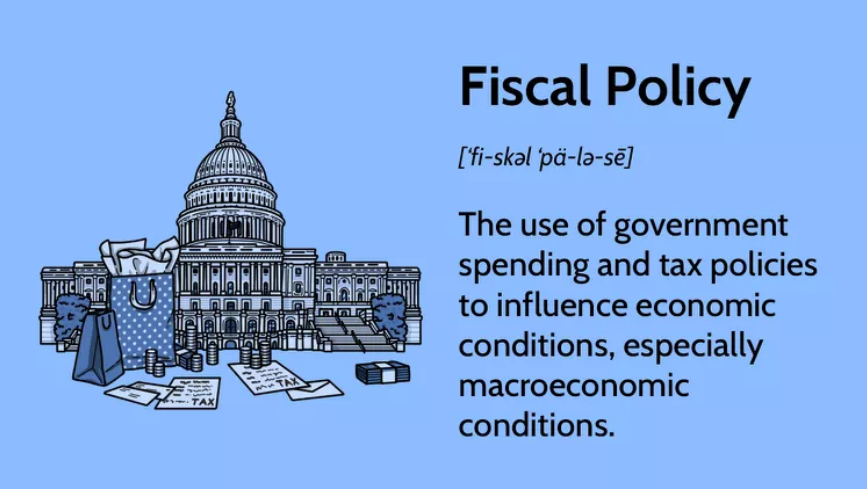
Fiscal policy plays a central role in influencing a country’s investment climate by shaping economic stability, infrastructure development, and overall business confidence. Through government decisions on taxation, public spending, and borrowing, fiscal policy directly affects how attractive an economy is to both domestic and foreign investors. A well-managed fiscal framework can support sustainable growth, while imbalances may create uncertainty and limit investment potential.
Government expenditure is one of the primary channels through which fiscal policy impacts investment. Spending on infrastructure such as roads, energy, transport systems, and digital connectivity enhances productivity and reduces operational costs for businesses. Improved infrastructure facilitates trade, strengthens supply chains, and opens up new markets, making it easier for firms to expand operations. As a result, economies that prioritize efficient public investment often create a more conducive environment for long-term capital inflows.
Taxation policies also significantly influence investment decisions. Competitive and predictable tax systems can encourage business expansion and attract foreign direct investment. Investors typically prefer environments where tax obligations are clear and stable, allowing for accurate financial planning. On the other hand, frequent changes in tax policy or high tax burdens may reduce profitability and discourage new investments. Governments often balance the need for revenue generation with the goal of maintaining an attractive investment environment.
Fiscal deficits and public debt levels are additional factors that shape investor perceptions. Persistent fiscal deficits may require increased government borrowing, which can influence interest rates and financial market conditions. High levels of public debt may raise concerns about fiscal sustainability, potentially affecting investor confidence. However, if borrowing is directed toward productive investments that support economic growth, it can enhance long-term returns and improve overall economic resilience.


Fiscal policy also interacts closely with monetary policy in determining the broader investment climate. Coordinated policies can help maintain macroeconomic stability by controlling inflation, supporting growth, and managing liquidity in the financial system. When fiscal and monetary authorities align their strategies, it can create a predictable environment that supports investment planning and reduces uncertainty.
In addition, fiscal incentives are often used to promote investment in specific sectors. Governments may provide tax breaks, subsidies, or grants to encourage investment in areas such as manufacturing, renewable energy, technology, and agriculture. These targeted measures can help stimulate growth in strategic sectors, promote innovation, and create employment opportunities.
However, the effectiveness of fiscal policy in shaping investment conditions depends on transparency, efficiency, and governance. Clear policy frameworks, accountable public spending, and effective implementation contribute to stronger investor confidence. In contrast, inefficiencies or lack of transparency may reduce the impact of fiscal measures and create uncertainty for investors.
Overall, fiscal policy is a key determinant of the investment climate. By balancing public spending, taxation, and borrowing in a sustainable manner, governments can create an environment that supports economic growth, encourages investment, and enhances long-term development prospects.