Sharp Daily
No Result
View All Result
Tuesday, December 9, 2025
  • Home
  • News
    • Politics
  • Business
    • Banking
  • Investments
  • Technology
  • Startups
  • Real Estate
  • Features
  • Appointments
  • About Us
    • Meet The Team
Sharp Daily
  • Home
  • News
    • Politics
  • Business
    • Banking
  • Investments
  • Technology
  • Startups
  • Real Estate
  • Features
  • Appointments
  • About Us
    • Meet The Team
No Result
View All Result
Sharp Daily
No Result
View All Result
Home Investments

Ethiopia maintains 15.0% benchmark rate to curb inflation and stabilize exchange rates

Kevin Cheruiyot by Kevin Cheruiyot
March 27, 2025
in Investments
Reading Time: 2 mins read

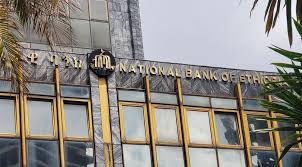
The National Bank of Ethiopia (NBE) has maintained its 15.0% benchmark interest rate during its second Monetary Policy Committee (MPC) meeting, aiming to control inflation and manage exchange rate expectations.

At its inaugural session in December 2024, the committee decided to maintain the rate for similar reasons, as headline inflation stood at 16.9% at the time. The MPC highlighted that the continuation of a tight monetary policy, coupled with improved agricultural output, has contributed to easing inflation, which declined to 15.0% in February 2025.

Since Ethiopia is still transitioning to an interest rate-based monetary policy framework, the MPC also retained the 18.0% cap on annual credit growth. The NBE emphasized that the decline in inflation to 15.0% in February represents significant progress since the last meeting in December 2024.

“While the ongoing reduction in inflation is promising, the committee acknowledged that inflation remains above the medium-term objective of achieving single-digit levels,” the NBE stated in an official release.

RELATEDPOSTS
No Content Available

Inflation has long posed a challenge for Ethiopia. In 2024, the government initiated wide-ranging macroeconomic reforms, including adopting a more flexible exchange rate regime. In July of the same year, the NBE set the key interest rate at 15.0% and introduced overnight lending and deposit facilities to assist banks in managing liquidity more efficiently.

Despite these measures, inflationary pressures are expected to persist. According to projections by the International Monetary Fund (IMF), Ethiopia’s inflation will likely remain high until the 2028/29 fiscal year. This prolonged inflationary period stems from structural economic challenges, dating back to the aftermath of the 2005 elections, which triggered a cycle of hyperinflation.

The Ethiopian government and the central bank remain committed to stabilizing the economy through disciplined monetary policy and structural reforms. The Committee noted that its future monetary policy decisions will be heavily dependent on inflation outturns and broader economic developments over the coming months. The Committee decided that its next meeting shall take place at the end of June 2025.
Previous Post

Smart saving: Using the Cytonn money market fund for your easter indulgence

Next Post

Audit reveals KES 28.7B irregularities in government cash transfers

Kevin Cheruiyot

Kevin Cheruiyot

Related Posts

Analysis

Vodacom to Acquire 55% Stake in Safaricom in $2.1B Deal

December 8, 2025
Analysis

Vodafone Safaricom acquisition: KES 204 billion deal sparks national sovereignty debate in Kenya

December 5, 2025
Analysis

Safaricom launches ksh 15B green bond with 5B greenshoe

December 2, 2025
Analysis

Why Kenya doesn’t need a second bond exchange: the case against market fragmentation.

December 3, 2025
Analysis

Climate Finance in Africa: How Green Bonds Are Transforming Sustainable Investment.

November 28, 2025
Investments

Understanding the Cytonn court case and what the recent ruling means for investors

November 27, 2025

LATEST STORIES

KCB m-Pesa: Transforming digital lending and savings for kenyans

December 9, 2025

Kenya’s banking sector: Resilience amid slow growth and rising costs

December 9, 2025

The quiet world of micro private equity

December 9, 2025

When Cash on the Balance Sheet Becomes a Liability

December 9, 2025

Teaching Financial Literacy in Kenyan Schools and Households

December 9, 2025

How Central Bank Digital Currencies Could Change Finance

December 9, 2025

Competition in the Kenyan Banking Sector: The Market Share Standoff Between the Tier 1 and Tier 2/3 Banks

December 9, 2025

2025 Special Funds Rush.

December 9, 2025
  • About Us
  • Meet The Team
  • Careers
  • Privacy Policy
  • Terms and Conditions
Email us: editor@thesharpdaily.com

Sharp Daily © 2024

No Result
View All Result
  • Home
  • News
    • Politics
  • Business
    • Banking
  • Investments
  • Technology
  • Startups
  • Real Estate
  • Features
  • Appointments
  • About Us
    • Meet The Team

Sharp Daily © 2024