Sharp Daily
No Result
View All Result
Tuesday, December 30, 2025
  • Home
  • News
    • Politics
  • Business
    • Banking
  • Investments
  • Technology
  • Startups
  • Real Estate
  • Features
  • Appointments
  • About Us
    • Meet The Team
Sharp Daily
  • Home
  • News
    • Politics
  • Business
    • Banking
  • Investments
  • Technology
  • Startups
  • Real Estate
  • Features
  • Appointments
  • About Us
    • Meet The Team
No Result
View All Result
Sharp Daily
No Result
View All Result
Home News

Digital Service Tax To Hit 300 Million In 2023

Domenic Ntoogo by Domenic Ntoogo
January 24, 2023
in News
Reading Time: 1 min read
KRA's Digital Service Tax

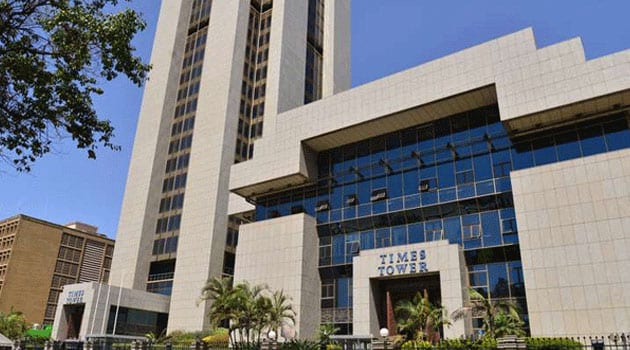
KRA [Photo/Courtesy]

The Kenya Revenue Authority (KRA) is hoping to collect more than KSh.300 million from the Digital Service Tax in the year ending June 2023.

This is after the taxman collected KSh.174 million in digital taxes in the six months to December 2022, registering a significant improvement when compared to the KSh.241 million collected in the financial year that ended in June 2022.

Should the tax man manage to hit KSh.300 million this year, the tax will have recorded the highest collection since its inception in 2021.

Key digital service providers who made the lion’s share in the payments include multinational tech giants such as Google, Netflix, Meta, Twitter and Microsoft.


RELATEDPOSTS

Kenya’s middle-income jobs grow: 1.5 million now earn above Sh50,000 monthly

December 5, 2025

Rural banking expansion: how financial literacy drives economic inclusion in Kenya

November 20, 2025

Read: All You Need To Know About The Minimum Tax Outlawed By The High Court

KRA has all indications that the new tax will keep on reaping improved results following the registration of 64 businesses in the first half of the financial year ending June 2023, against the target of 50 for the whole year.

The Digital Service Tax charges all businesses that sell services online, where they are required to pay a flat rate of 1.5% of the total services offered.

The digital service tax was born after the passing of the Finance Act 2020, where the tax came into effect on January 1, 2021, and registered a Ksh.42 million collection in the first six months to June 2021.

Email your news TIPS to editor@thesharpdaily.com

Previous Post

Why Companies Should be Intentional in Preventing Cyber-related Threats

Next Post

Rugby Great Collins Injera Hangs His Boots

Domenic Ntoogo

Domenic Ntoogo

Related Posts

News

Money as a social signal

December 30, 2025
News

The risks of short-term thinking for economic growth

December 30, 2025
News

The difference between income and wealth and why it matters

December 30, 2025
News

Private equity and corporate governance

December 30, 2025
News

Why financial habits matter more than financial knowledge

December 30, 2025
News

Kenyan banks face loan refunds after illegal rate increases

December 30, 2025

LATEST STORIES

Money as a social signal

December 30, 2025

The risks of short-term thinking for economic growth

December 30, 2025

The difference between income and wealth and why it matters

December 30, 2025

Private equity and corporate governance

December 30, 2025

Why financial habits matter more than financial knowledge

December 30, 2025

Kenyan banks face loan refunds after illegal rate increases

December 30, 2025

What does it really mean to be financially stable

December 30, 2025

Bitcoin ATMs appear in kenyan malls, triggering regulatory alarm

December 30, 2025
  • About Us
  • Meet The Team
  • Careers
  • Privacy Policy
  • Terms and Conditions
Email us: editor@thesharpdaily.com

Sharp Daily © 2024

No Result
View All Result
  • Home
  • News
    • Politics
  • Business
    • Banking
  • Investments
  • Technology
  • Startups
  • Real Estate
  • Features
  • Appointments
  • About Us
    • Meet The Team

Sharp Daily © 2024