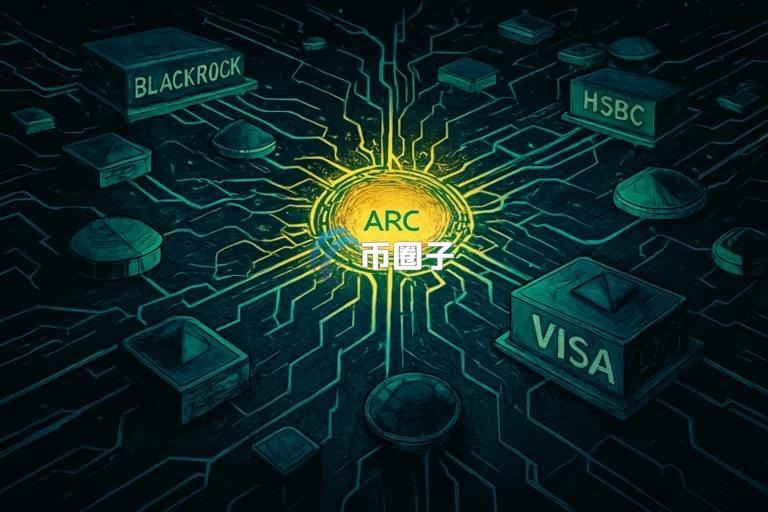
Arc Blockchain Validators Bring Institutions On-Chain
Arc Blockchain Validators are positioning major financial institutions at the foundation of Circle’s upcoming Arc blockchain network. Circle Internet Group announced its founding validator cohort on August 5, 2026, ahead of the network’s planned public mainnet launch on September 16, 2026.
The initial cohort includes major financial institutions such as Visa, Mastercard, Global Payments, BlackRock, and the Depository Trust & Clearing Corporation (DTCC).
By placing established financial institutions at the network’s validation layer, Circle aims to connect institutional liquidity with tokenized real-world assets, automated foreign exchange, and programmable commerce.
USDC Provides Predictable Transaction Costs
Arc takes a different approach to blockchain transaction fees. Instead of using a volatile native token to pay for network activity, Arc denominates its gas fees directly in USDC.


This structure gives corporate treasuries greater certainty over transaction costs. Institutions can therefore execute on-chain transactions without taking additional exposure to a volatile blockchain token.
For example, asset managers could use Arc for large collateral reallocations or automated repo transactions. They would be able to calculate network costs in US dollars rather than relying on fluctuating crypto asset prices.
This could make blockchain infrastructure more attractive to financial institutions that prioritize predictable operating expenses and balance-sheet stability.
Institutional Assets Expand Arc’s Liquidity
The founding validators and ecosystem partners are also preparing institutional financial products for the Arc network.
BlackRock plans to deploy its BlackRock USD Institutional Digital Liquidity Fund (BUIDL) onto Arc. The move would allow institutional investors to subscribe, redeem, and manage fund assets within a continuous settlement environment.
The DTCC is also preparing to integrate Arc into its regulated Tokenization Service. This could support the settlement of DTC-custodied securities and enable automated delivery-versus-payment (DvP) transactions.
These integrations could strengthen Arc’s position as an institutional settlement network. They could also increase liquidity across tokenized capital markets.
Programmable Finance Enables Agentic Commerce
Arc also provides infrastructure for programmable financial activity. Its smart contract environment can support automated transactions between software agents, financial institutions, and businesses.
Sub-second transaction finality could enable faster cross-border payments, liquidity management, and collateral optimization. Configurable privacy features could also help institutions manage sensitive financial transactions.
This architecture could reduce reliance on manual intervention. It may also shorten settlement cycles and reduce some counterparty and operational risks associated with traditional financial infrastructure.
The Future of Institutional Blockchain Infrastructure
Circle’s validator strategy signals a broader shift in institutional blockchain adoption. Major payment networks, asset managers, and financial market infrastructure providers are increasingly exploring blockchain networks designed specifically for regulated financial activity.
The use of USDC as the native gas asset gives Arc a stablecoin-based foundation. Meanwhile, institutional validators provide established financial infrastructure with a direct role in network governance and transaction validation.
As corporate treasuries and institutional market participants move toward 24/7 programmable liquidity, networks such as Arc could become increasingly important in wholesale finance.
The September 16 mainnet launch will therefore be an important milestone. Its success could demonstrate whether stablecoin-native blockchain infrastructure can bridge traditional financial markets with tokenized assets and continuously available digital settlement.