Sharp Daily
No Result
View All Result
Sunday, December 7, 2025
  • Home
  • News
    • Politics
  • Business
    • Banking
  • Investments
  • Technology
  • Startups
  • Real Estate
  • Features
  • Appointments
  • About Us
    • Meet The Team
Sharp Daily
  • Home
  • News
    • Politics
  • Business
    • Banking
  • Investments
  • Technology
  • Startups
  • Real Estate
  • Features
  • Appointments
  • About Us
    • Meet The Team
No Result
View All Result
Sharp Daily
No Result
View All Result
Home Investments

CBK’s KES 76.5 bn bond buyback eases Kenya’s domestic debt pressures

cmuriungi by cmuriungi
October 27, 2025
in Investments
Reading Time: 2 mins read

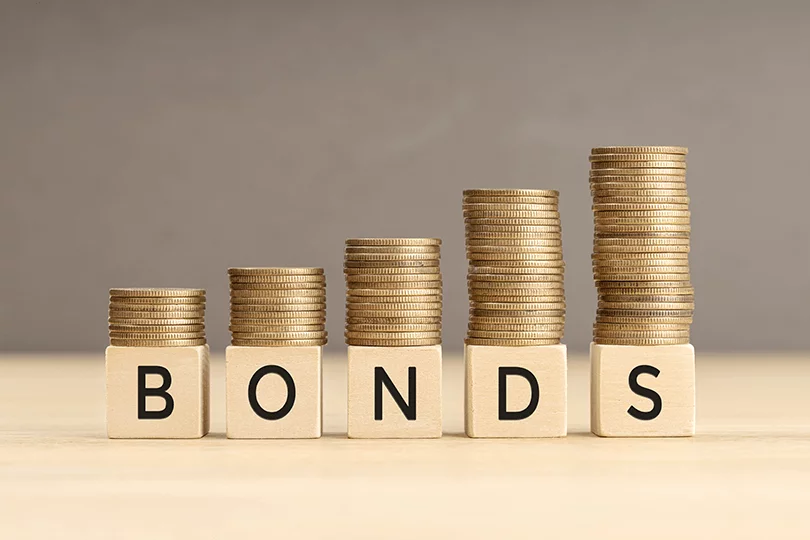
The Central Bank of Kenya (CBK) recently announced a partial buyback of a government bond valued at KES 76.5 bn to ease domestic maturities. This move is an important financial strategy aimed at managing the government’s debt repayment schedule more smoothly and maintaining healthy liquidity in the local bond market.

When the government issues bonds, it borrows money from investors for a set period. At the end of this period, the government has to repay the principal amount to those investors a moment called the bond’s maturity. If many bonds mature around the same time, the government faces a heavy repayment burden, which can strain public finances and potentially disrupt the financial markets. This is what is known as a “wall of maturities.”

To manage this challenge proactively, the CBK steps in with a bond buyback program. By purchasing back some of these bonds before maturity, the CBK reduces the amount of money the government must repay all at once when the bonds expire. This partial buyback of the KES 76.5 bn bond means that investors holding these bonds have an opportunity to sell them back early to the CBK, which provides them with liquidity without waiting for the full term of the bond to end.

This exercise offers several benefits. First, it distributes the government’s debt repayment obligations over a longer period, smoothing out cash flow needs and reducing refinancing risks. When there are fewer bonds reaching maturity at once, the government is less pressured to raise large sums quickly from the local market, which can be expensive or difficult. Second, it helps maintain market stability by mitigating panic or excessive selling in the secondary bond market. Investors gain confidence knowing they have a formal exit route via the buyback, reducing market volatility.


RELATEDPOSTS

Safaricom launches ksh 15B green bond with 5B greenshoe

December 2, 2025

Teachers’ healthcare revolution: understanding the transition to SHA’s comprehensive medical cover.

December 1, 2025

The buyback is done through a voluntary auction, where eligible investors holding these bonds can submit bids to sell back some or all of their holdings. The CBK then decides which bids to accept, either fully or partially. In this case, the auction process is carefully managed to ensure transparency and fairness, allowing investors to participate electronically via the CBK’s trading platform.

Such buybacks have precedent in Kenya: earlier in 2025, the CBK initiated its first-ever domestic bond buyback to address maturities clustered in that year, successfully easing pressure on the domestic debt market. The KES 76.5 bn buyback is part of a broader strategy to efficiently manage Kenya’s growing public debt while supporting liquidity and investor confidence.


Previous Post

Rironi–Mau summit expressway: Kenya’s game changer for transport and regional growth

Next Post

Eastern Africa’s unified spectrum strategy to boost broadband

cmuriungi

cmuriungi

Related Posts

Analysis

Vodafone Safaricom acquisition: KES 204 billion deal sparks national sovereignty debate in Kenya

December 5, 2025
Analysis

Safaricom launches ksh 15B green bond with 5B greenshoe

December 2, 2025
Analysis

Why Kenya doesn’t need a second bond exchange: the case against market fragmentation.

December 3, 2025
Analysis

Climate Finance in Africa: How Green Bonds Are Transforming Sustainable Investment.

November 28, 2025
Investments

Understanding the Cytonn court case and what the recent ruling means for investors

November 27, 2025
Analysis

Cytonn money market fund

November 24, 2025

LATEST STORIES

Buy-Now-Pay-Later Craze: Convenience or Debt Trap?

December 6, 2025

The Rise of Agency Banking in Kenya

December 6, 2025

The Future of Saccos: Digital Transformation and Competitive Pressures

December 6, 2025

Vodafone Safaricom acquisition: KES 204 billion deal sparks national sovereignty debate in Kenya

December 5, 2025

Policy Reforms Needed to Curb Abuse of Customer Data in Kenya

December 5, 2025

The importance of credit scores and how banks use them

December 5, 2025
The up arrow shows the inflation rate. Interest rates increase, home loan, mortgage, house tax. investment and asset management concept. percentage for increasing interest rates with stacks coins

The Real Estate Fallacy

December 5, 2025

Catalysts for Capital: The Strategic Role of Development Finance Institutions in Kenya

December 5, 2025
  • About Us
  • Meet The Team
  • Careers
  • Privacy Policy
  • Terms and Conditions
Email us: editor@thesharpdaily.com

Sharp Daily © 2024

No Result
View All Result
  • Home
  • News
    • Politics
  • Business
    • Banking
  • Investments
  • Technology
  • Startups
  • Real Estate
  • Features
  • Appointments
  • About Us
    • Meet The Team

Sharp Daily © 2024