Eastern Africa is on the brink of a digital transformation, driven by a pioneering initiative to create a unified spectrum strategy aimed at boosting broadband access across the region. Leaders from nine Eastern African countries, through the East African Community (EAC) and the Intergovernmental Authority on Development (IGAD), have embraced the need for coordinated spectrum management, a critical factor for enhancing internet speed, affordability, and coverage, especially in rural and underserved areas.
Spectrum, the invisible radio frequencies that allow wireless communication, is the backbone of mobile networks, Wi-Fi, and broadcasting. Yet, its management in many Eastern African countries has been fragmented and inefficient, leading to underutilization and higher costs for consumers. While the global average spectrum allocation for mobile services stands at approximately 574 MHz, Sub-Saharan African countries average just 387.0 MHz, limiting their ability to deliver robust and affordable broadband services.
Recognizing these challenges, the unified spectrum strategy aims to harmonize the allocation, licensing, and technical standards for spectrum management across member states. This regional approach intends to create a seamless digital ecosystem where mobile operators can scale their networks more efficiently and offer improved services that transcend national borders. By standardizing frequencies and regulatory frameworks, the initiative seeks to lower internet costs, enhance network security, and facilitate cross-border mobile roaming, thus driving greater regional integration.
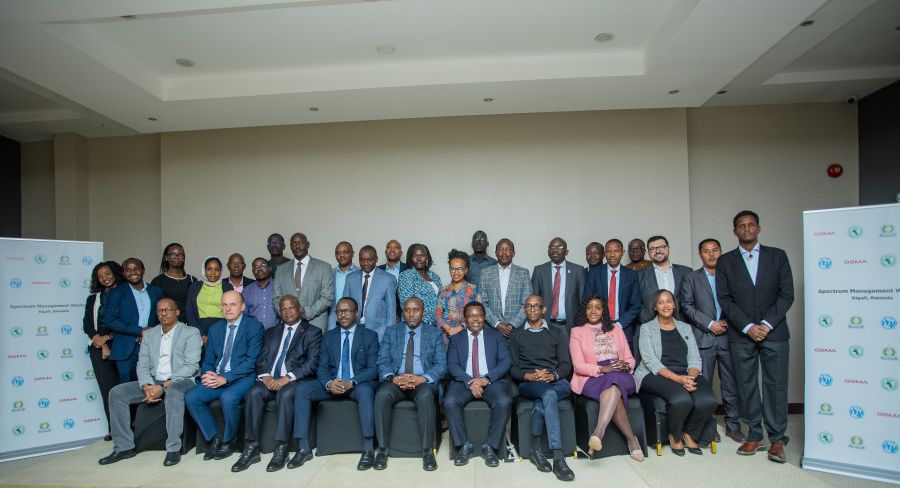
The workshop held in Kigali, Rwanda, marked a significant milestone where regulators, policymakers, and international partners, including the GSMA, the International Telecommunication Union (ITU), and the World Bank, came together to chart a path toward spectrum harmonization. This collaboration is part of the broader Eastern Africa Regional Digital Integration Project (EARDIP), which focuses on accelerating digital infrastructure development, policy alignment, and market integration.


The benefits of a unified spectrum strategy extend beyond just improved internet access. It will fuel the deployment of next-generation technologies such as 4G and 5G, which require large blocks of harmonized spectrum to operate effectively. These technologies are key to supporting innovations in sectors like agriculture, education, health, and financial services, thereby enhancing socio-economic development across the region.
Moreover, the adoption of a regional digital market, facilitated by unified spectrum management, can attract more significant investments from telecom operators, technology firms, and international donors. This, in turn, will create jobs, boost digital literacy, and foster innovation ecosystems where startups and entrepreneurs can thrive.
Eastern Africa’s move towards spectrum harmonization aligns with continental visions such as the African Union’s Digital Transformation Strategy for Africa (2020-2030), which underscores the importance of digital infrastructure as a catalyst for sustainable development. By harmonizing spectrum use, Eastern African countries are laying a strong foundation for achieving universal and inclusive broadband connectivity, which is vital for closing the digital divide.
In conclusion, the unified spectrum strategy represents a bold and necessary step for Eastern Africa as it strives to become a competitive digital region. It addresses the critical bottleneck in telecommunications infrastructure, enabling faster, more affordable internet for millions. This will empower communities, stimulate economic growth, and foster regional cohesion, ultimately transforming the digital landscape of Eastern Africa for the better.